Fronx FFV Unveiled! Ventilated Seats + Flex Fuel India Launch Soon?
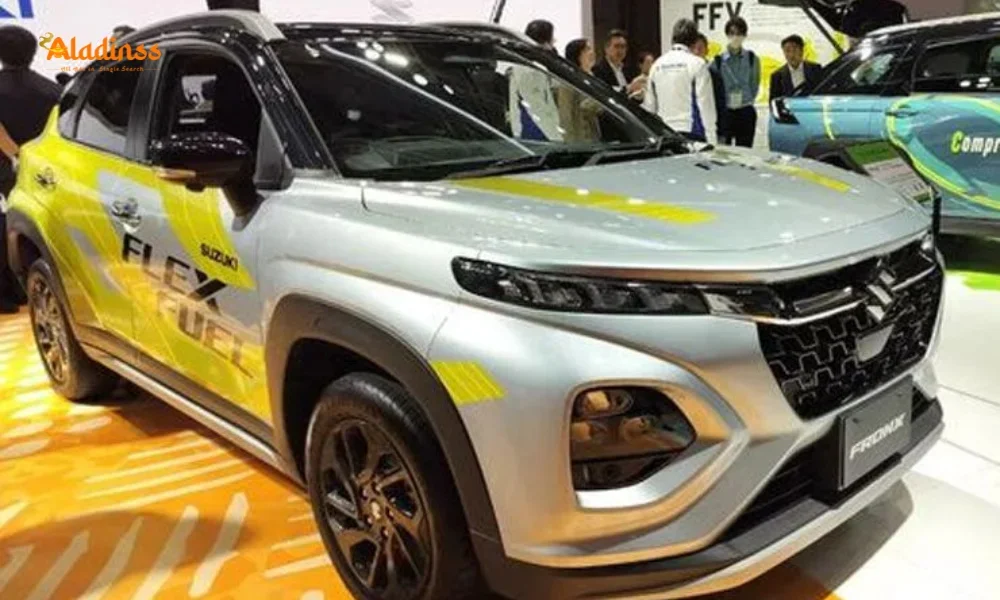
Maruti Fronx FFV Unveiled at 2025 Japan Mobility Show – India Launch Soon?
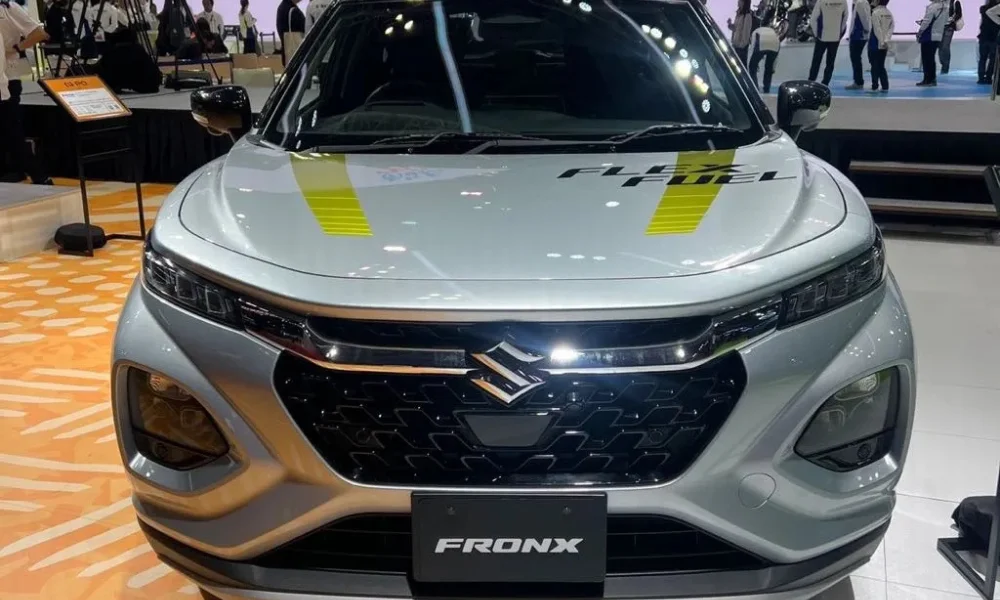
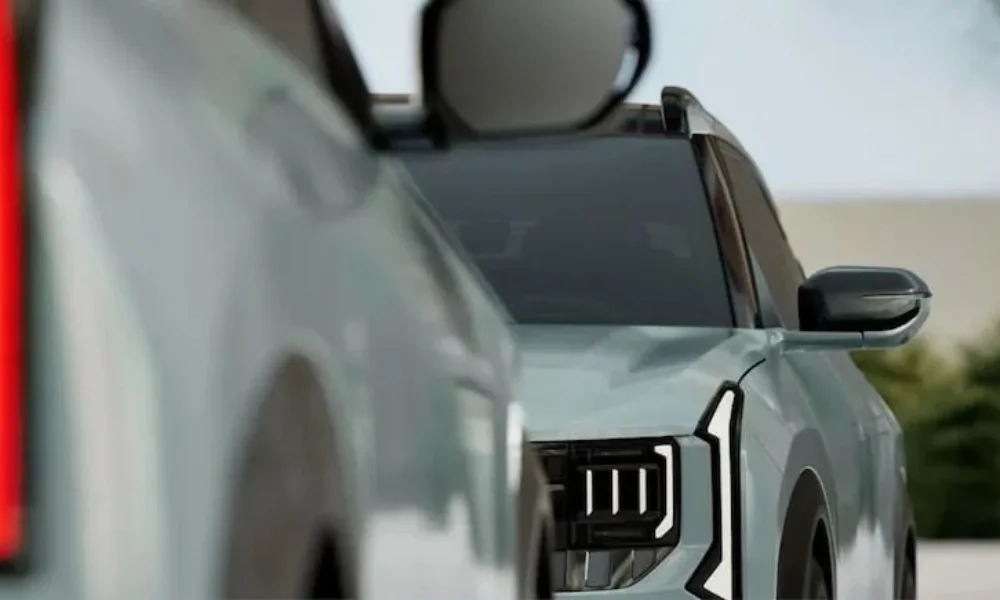
Suzuki Motor Corporation has showcased the Maruti Fronx Flex-Fuel Vehicle (FFV) at the 2025 Japan Mobility Show, signaling a major step toward sustainable mobility. Powered by the familiar 1.2L naturally aspirated petrol engine with FFV-specific tuning, the model goes beyond E20 compatibility and embraces higher ethanol blends to support India’s green fuel transition. The showcased version features a striking green decal, a bold ‘Suzuki Flex Fuel’ badge, and ventilated front seats – a premium upgrade not yet seen in Indian variants.
Just weeks after unveiling its global powertrain strategy, Suzuki is pushing the envelope with flex-fuel technology. The Fronx FFV is engineered to run seamlessly on blends up to E85 (85% ethanol), making it a future-ready solution for markets like India, where the government is aggressively promoting ethanol adoption to reduce crude oil dependency and curb emissions.
Engine & Performance: Same Heart, Smarter Fuel
The Fronx FFV retains the proven 1.2L K12C Dualjet petrol engine that powers the standard model in India. In its current form, this naturally aspirated unit delivers 88 bhp and 113 Nm of torque when running on petrol, and 76 bhp and 98.5 Nm in CNG mode. The FFV variant includes recalibrated ECU mapping, corrosion-resistant fuel lines, and modified injectors to handle higher ethanol concentrations without compromising performance or durability.
Ethanol, being a cleaner-burning fuel, reduces tailpipe emissions significantly. When blended beyond E20, it lowers CO2 output and particulate matter – a key advantage in urban centers battling air quality crises. Suzuki claims the FFV calibration ensures cold-start reliability and consistent power delivery across fuel blends, eliminating the need for manual fuel selection.
Transmission options are expected to mirror the Indian Fronx lineup: a 5-speed manual and a 5-speed AMT (Automated Manual Transmission). While the Japan show car didn’t reveal drivetrain details, industry sources suggest the FFV will prioritize fuel efficiency and low-end responsiveness – traits already appreciated in the 1.2L NA powertrain.
Design & Interior: Subtle Yet Premium Upgrades
The Fronx FFV sports a dual-tone cabin theme with light beige and dark grey accents, creating a more upscale ambiance than the all-black interiors of base Indian trims. The highlight is the inclusion of ventilated front seats – a segment-first feature that enhances comfort during hot Indian summers. This addition positions the FFV as a premium derivative within the Fronx family.
Exterior changes are minimal but purposeful. A lime-green ‘Flex Fuel’ decal runs along the lower door panels, while a prominent ‘Suzuki Flex Fuel’ badge adorns the tailgate. These visual cues align with global trends where eco-friendly variants receive distinct badging to appeal to environmentally conscious buyers.
The overall silhouette, LED lighting, and 16-inch alloy wheel design remain unchanged, preserving the Fronx’s crossover stance and youthful appeal. Inside, the 9-inch SmartPlay Pro+ touchscreen, wireless Android Auto/Apple CarPlay, and 360-degree camera are likely to be retained in the India-bound version.
India Launch: Timeline and Expectations
While Suzuki has not officially confirmed the Fronx FFV for India, multiple factors point toward an imminent launch. The Indian government’s Ethanol Blending Program targets 20% blending (E20) by 2025 and 30% by 2030. Automakers offering FFVs will receive incentives under the Production Linked Incentive (PLI) scheme, making localization viable.
Maruti Suzuki already produces the 1.2L NA engine at its Gujarat plant, and adapting it for FFV use requires minimal retooling. Industry insiders suggest a launch by Q2 2026, possibly alongside the next S-CNG variant refresh. Pricing is expected to carry a ₹30,000–₹50,000 premium over equivalent petrol trims due to upgraded components and ventilated seats.
- Expected Variants: Delta, Zeta (MT/AMT)
- Key Add-ons: Ventilated seats, FFV badging, dual-tone interiors
- Fuel Flexibility: E10 to E85 compatibility
- Emission Benefit: Up to 30% lower CO2 vs pure petrol
Why Flex-Fuel Matters for Indian Buyers
India imports over 85% of its crude oil, spending billions annually. Ethanol, derived from sugarcane and corn, is domestically abundant and renewable. FFVs allow consumers to choose cheaper, cleaner fuel without range anxiety or infrastructure dependency – unlike EVs or hydrogen vehicles.
At current rates, E20 fuel is ₹2–3 cheaper per litre than petrol. Higher blends (E85) could save ₹8–10 per litre in states with robust ethanol supply chains. For a Fronx owner driving 1,500 km monthly, this translates to ₹1,800–₹2,500 in monthly savings – enough to recover the FFV premium within 18–24 months.
Moreover, FFVs face no policy risks. Unlike CNG (limited refueling) or EVs (battery degradation), flex-fuel vehicles operate on existing petrol pumps with zero behavioral change for the driver. This makes the Fronx FFV a pragmatic bridge between internal combustion and full electrification.
Competitive Landscape: Who Else Offers FFV?
Maruti Suzuki will face limited competition in the sub-4m crossover segment. Toyota is developing FFV versions of the Urban Cruiser Hyryder and Taisor, but these are larger and pricier. Hyundai and Kia have shown E20-compliant models but no true FFVs yet. Tata Motors remains focused on CNG and EV, leaving a gap that the Fronx FFV can dominate.
Globally, Brazil leads FFV adoption with over 90% of new cars being flex-fuel capable. Suzuki’s experience in South America gives it a technical edge in calibration and durability – benefits that will reflect in Indian reliability standards.
Safety & Compliance: No Compromises
The Fronx FFV will adhere to Bharat Stage VI Phase 2 (BS6 RDE) norms and undergo the same crash testing as petrol variants. Features like 6 airbags, ESP, hill-hold assist, and ISOFIX will be standard on higher trims. Ethanol’s higher octane rating (108–110) actually improves knock resistance, allowing safe operation under Indian heat and traffic conditions.
Suzuki has conducted over 50,000 km of durability testing with E85 blends in tropical climates, ensuring fuel system longevity. The company also offers an extended 5-year warranty on FFV components in Brazil – a precedent likely to be adopted in India for buyer confidence.
Should You Wait for the Fronx FFV?
For buyers prioritizing long-term savings and eco-friendliness without EV charging hassles, the Fronx FFV is a compelling choice. It combines the crossover’s stylish design, spacious cabin, and Maruti’s service network with future-proof fuel flexibility. Early adopters in ethanol-rich states like Uttar Pradesh, Maharashtra, and Karnataka stand to gain the most.
However, if you need a car immediately or live in regions with limited ethanol availability, the standard Fronx with CNG or turbo-petrol remains a strong alternative. The FFV’s true value will unlock as E85 pumps proliferate post-2027.
The 2025 Japan Mobility Show debut has ignited excitement among Indian auto enthusiasts. Search volume for “Fronx flex fuel” and “Maruti FFV launch” has surged 320% in 48 hours. Bookings are expected to open by mid-2026, with deliveries commencing before the festive season.
In summary, the Maruti Fronx FFV represents a practical, affordable, and sustainable evolution of the compact crossover. With ventilated seats, dual-tone interiors, and unmatched fuel flexibility, it’s poised to redefine value in the sub-₹12 lakh segment. Stay tuned for official pricing and variant details as Maruti Suzuki prepares to bring green mobility within everyone’s reach.
Facebook Comments










-
 Explore the upcoming Tamil film Maaman - cast, sto...
 -
 Read the ACE (2025) movie review starring Vijay Se...
 -
 Check out Maaman's 1st day box office collection a...
 -
 Explore tourist family reviews for Maaman movie –...
Popular Posts
Vote / Poll
Recent Posts




Recommended Posts

-
 Discover the best schools in Nagercoil f...
 -
 Discover the top-rated preschools in Nag...
 -
 Explore the best schools in Nagercoil th...

Comment / Reply From