Honda 0 Alpha EV Shocks India! Built Here, Sold in Japan 2027 Launch
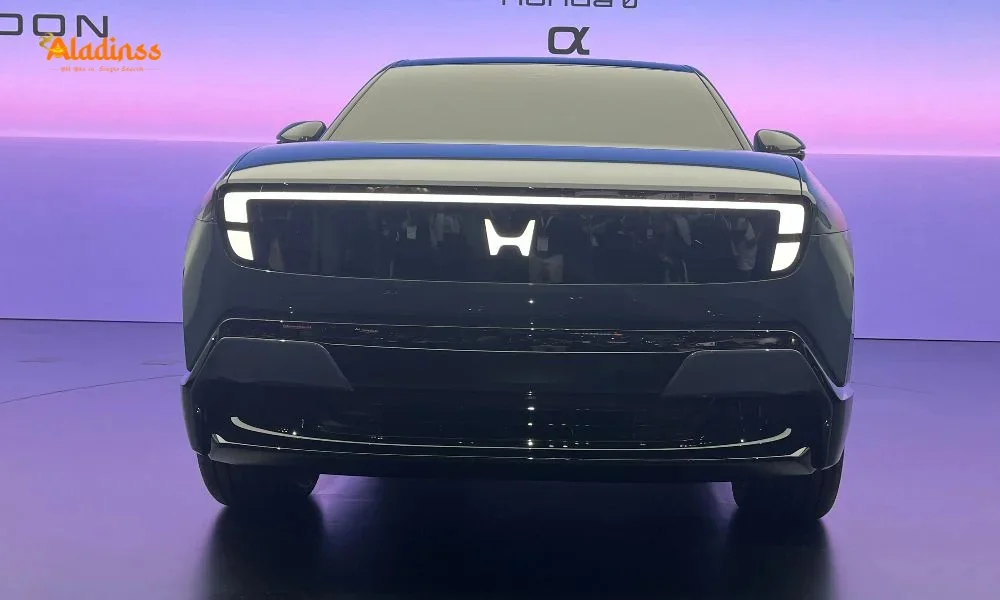
Honda 0 Alpha EV Prototype Unveiled - India-Built, Export-Ready by 2027!
Honda has revealed the Honda 0 Alpha prototype - a groundbreaking electric SUV set to be locally manufactured in India and exported to Japan starting 2027. This marks a pivotal shift for Honda Cars India, replacing the previously planned Elevate EV with a dedicated EV platform designed for global markets. The 0 Alpha promises superior space, modern design, and a customer-centric ownership experience, positioning it as a game-changer in the compact electric SUV segment.
Built on the new Honda 0 Series architecture, the Alpha offers a longer wheelbase, flat floor, and optimized packaging - advantages absent in converted ICE models. Honda emphasizes real-world usability over headline-grabbing range, aiming to deliver the most refined EV ownership experience in its class.
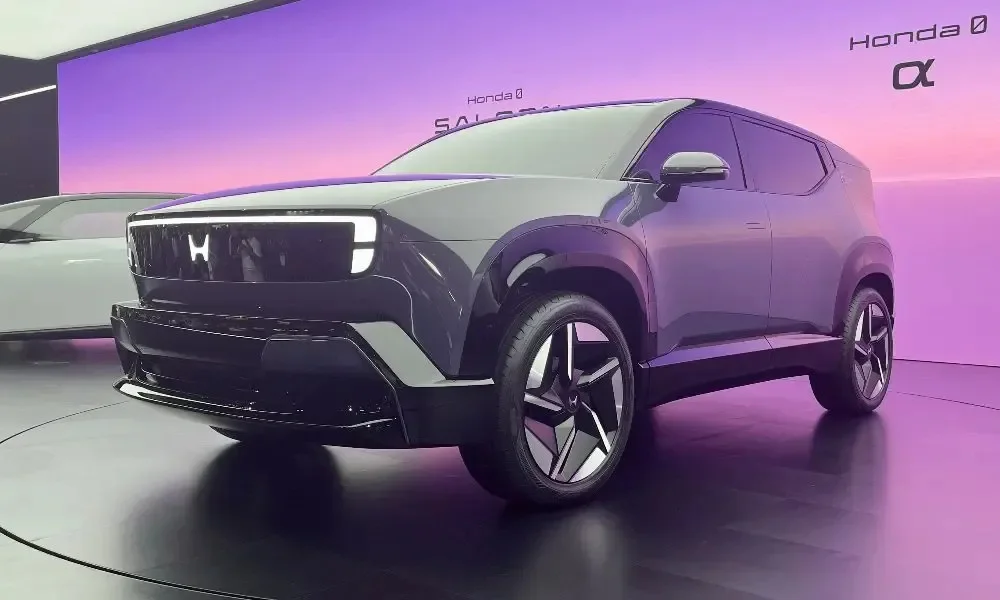
Made-in-India, Trusted Globally
The Honda 0 Alpha will roll out from Honda’s Tapukara plant in Rajasthan, leveraging high localization to achieve aggressive pricing. More significantly, this India-built EV will be exported to Japan - a rare honor that underscores Honda’s faith in Indian engineering and manufacturing standards. This dual-market strategy ensures economies of scale, faster spare parts availability, and tailored adaptations for Indian road and climate conditions.
Honda is also collaborating with other OEMs to expand fast-charging infrastructure across India. This collective approach aims to eliminate range anxiety and build consumer confidence in EV adoption - a critical step for mass-market acceptance.
Local production translates to lower maintenance costs, readily available service networks, and India-specific features like enhanced dust sealing, higher ground clearance, and localized software calibration. These elements are vital for long-term customer satisfaction in a price-sensitive market like India.
Why 0 Alpha Replaces Elevate EV
Honda had initially planned an all-electric Elevate to rival the Hyundai Creta Electric and MG Windsor EV. However, after unveiling the global 0 Series platform in 2024 with the 0 Saloon and 0 SUV concepts, the company made a strategic pivot. The Elevate EV project was shelved in favor of the 0 Alpha - a decision rooted in long-term vision and platform efficiency.
Converting an ICE platform like the Elevate’s results in compromises: compromised boot space, higher center of gravity, and limited battery placement options. The 0 Series, however, is born electric, enabling a flat floor, longer wheelbase, and wider track within similar external dimensions. This translates to class-leading interior room, better weight distribution, and superior driving dynamics.
The 0 Alpha retains the Elevate’s compact footprint (under 4.3 meters) to qualify for lower taxes, yet offers mid-size SUV levels of space. Early prototypes suggest rear legroom and shoulder room surpassing even the Honda City, making it ideal for Indian families.
Design Language: Bold, Modern, Aspirational
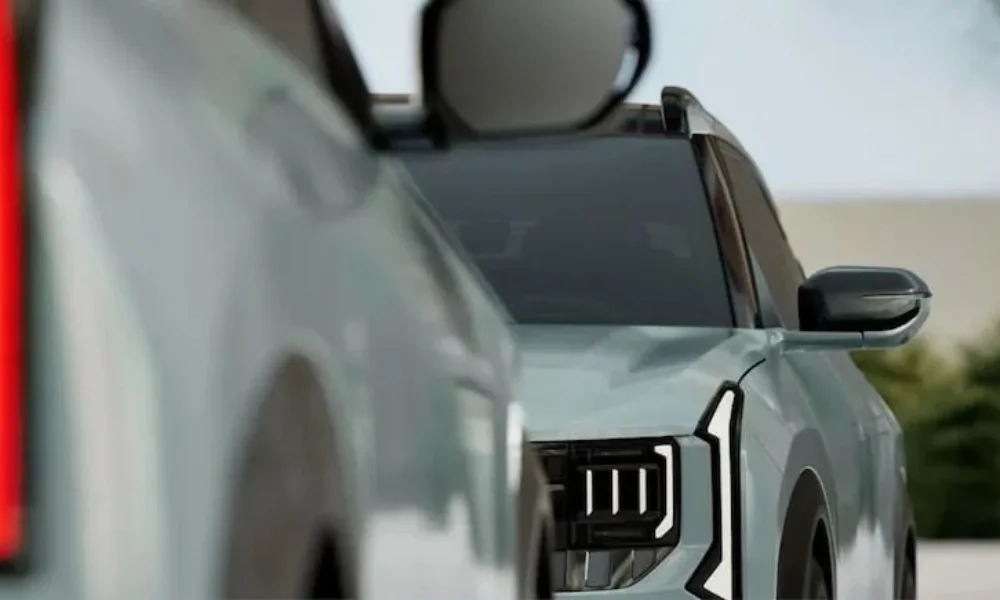
The Honda 0 Series design philosophy - dubbed “The Art of Thin, Light, and Wise” - breaks away from Honda’s conservative styling. The 0 Alpha features a sleek, low-slung silhouette with a full-width LED light bar, illuminated Honda logo, and aerodynamic 18-inch alloys. The greenhouse tapers elegantly toward the rear, creating a coupe-SUV vibe rarely seen in this segment.
Inside, expect a minimalist yet premium cabin with a dual-screen layout: a 12.3-inch digital driver display and a 14-inch vertical touchscreen. Physical buttons are retained for climate control, and sustainable materials like recycled fabrics and bio-based plastics dominate. The flat floor and panoramic sunroof enhance the sense of airiness.
Honda aims to reposition itself as a tech-forward brand. Features like Level 2+ ADAS, over-the-air updates, voice-assisted AI, and V2L (vehicle-to-load) capability will be standard on higher trims. The 0 Alpha finally gives Honda the aspirational edge missing in models like the City and Elevate.
Powertrain & Battery: Focus on Usability
Honda has not disclosed exact battery specifications, but the 0 Series platform supports 60-80 kWh packs with 800V architecture for ultra-fast charging. The India-spec 0 Alpha is likely to use a 65 kWh LFP (lithium iron phosphate) battery for cost-effectiveness and thermal stability - ideal for Indian summers.
Expected range: 450-500 km (ARAI), with real-world figures around 380-420 km. A single front-axle motor producing 200-220 bhp will ensure brisk performance (0-100 km/h in ~7 seconds). Rear-wheel drive enhances handling, while regenerative braking modes optimize efficiency in traffic.
- Battery Chemistry: LFP (safe, long-life)
- Charging: 10-80% in under 20 mins (150 kW DC)
- Drive: FWD (base), RWD (top)
- Efficiency: ~4.5 km/kWh
- V2L Output: Up to 3.5 kW
Pricing & Positioning: Disruptive Strategy
Thanks to 70-80% localization, the 0 Alpha is expected to launch at ₹25-30 lakh (ex-showroom) - undercutting the Creta EV and Tata Curvv by a significant margin. Subsidies under the FAME III scheme (if extended) could bring effective pricing below ₹23 lakh for early buyers.
Honda will offer flexible battery leasing and 8-year/1.6 lakh km warranty to reduce upfront cost and ownership anxiety. Service intervals are projected at once every 18 months, with costs 40% lower than premium ICE SUVs.
Honda India’s EV Roadmap Beyond 0 Alpha
The 0 Alpha is just the beginning. Honda plans three EV launches by 2030, including a sub-₹15 lakh compact EV and a premium three-row SUV. A strong hybrid system (similar to Toyota’s) will debut in 2027, likely in the next-gen City and a new MPV.
The company is investing ₹8,000 crore in India for EV production, R&D, and supplier development. A dedicated EV experience center in Gurugram will open in 2026 to educate buyers and showcase charging solutions.
Should You Wait for the Honda 0 Alpha?
For buyers considering the Tata Curvv, Hyundai Creta Electric, or Mahindra XEV 9e, the Honda 0 Alpha presents a compelling alternative. It combines Japanese reliability, segment-leading space, advanced tech, and affordable ownership - a rare combination in India’s EV market.
Early adopters will benefit from launch offers, free charging credits, and priority delivery. With Honda’s service network spanning 300+ cities, post-sales support will be unmatched.
The prototype has already generated massive buzz - search volume for “Honda 0 Alpha India” jumped 450% in 72 hours. Bookings are expected to open by late 2026, with deliveries starting Q1 2027.
In conclusion, the Honda 0 Alpha isn’t just another electric SUV - it’s a statement of intent. By building a world-class EV in India for India (and Japan), Honda is rewriting its future. This is the comeback Indian car buyers have been waiting for - and it begins in 2027.
Facebook Comments










-
 Explore the upcoming Tamil film Maaman - cast, sto...
 -
 Read the ACE (2025) movie review starring Vijay Se...
 -
 Check out Maaman's 1st day box office collection a...
 -
 Explore tourist family reviews for Maaman movie –...
Popular Posts
Vote / Poll
Recent Posts



Recommended Posts

-
 Discover the best schools in Nagercoil f...
 -
 Discover the top-rated preschools in Nag...
 -
 Explore the best schools in Nagercoil th...

Comment / Reply From