Electric Scooters in India Price Range and Charging Cost Comparison
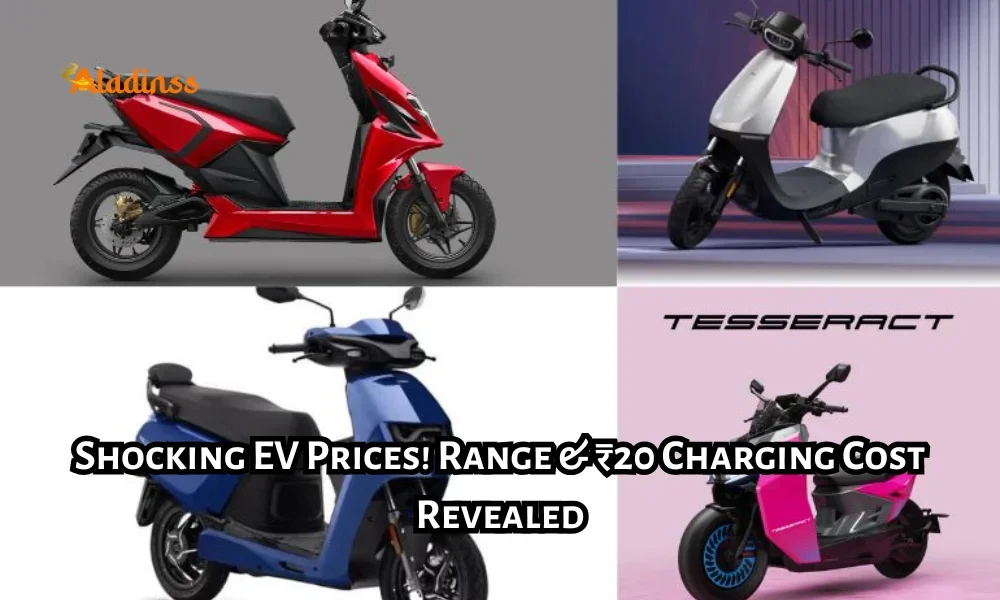
Electric Scooters in India: Price, Range, and Charging Cost Comparison
The electric scooter market in India has exploded in recent years, driven by rising fuel prices, government incentives, and growing environmental awareness. With over 1.5 million units sold in 2024 alone, electric scooters in India are no longer a niche but a mainstream mobility solution. This comprehensive guide compares popular models on price, range, and charging cost, helping urban commuters and families make informed choices in a crowded market.
From budget-friendly options under ₹1 lakh to premium high-speed scooters crossing ₹1.5 lakh, the segment offers variety for every need. Key players like Ola Electric, Ather Energy, Bajaj Chetak, TVS iQube, and Hero Vida dominate sales charts. Understanding real-world performance, battery efficiency, and long-term ownership costs is crucial before investing.
Price Comparison: Budget to Premium Segments
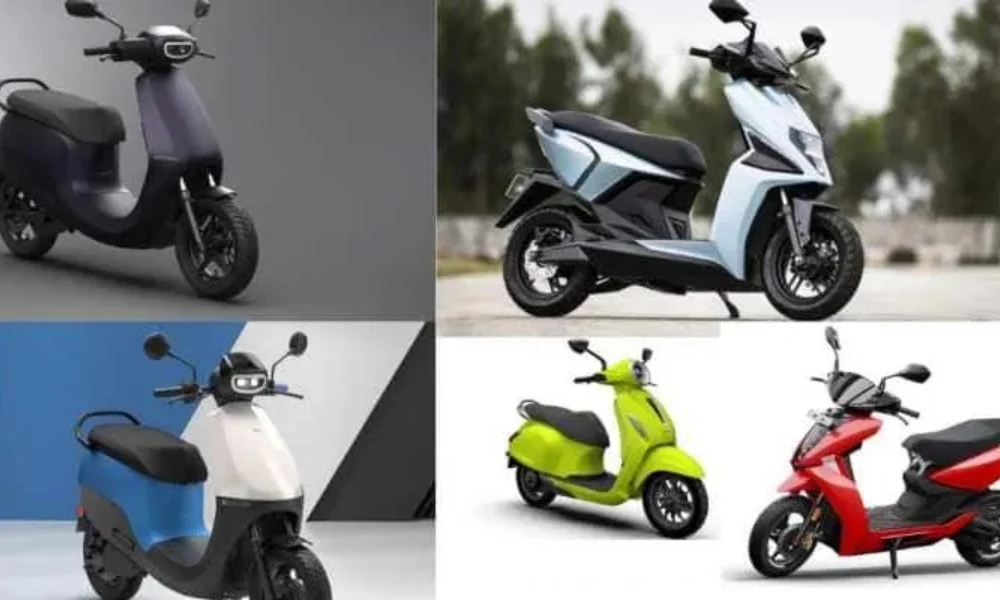
Entry-level electric scooters in India start at ₹75,000, offering basic commuting features with 100–120 km range. Models like Ampere Magnus EX and Hero Electric Optima CX fall in this bracket. Mid-range options (₹1–1.3 lakh) dominate 70% of sales, led by Ola S1 Air (₹1.07 lakh), TVS iQube (₹1.15 lakh ex-showroom), and Ather 450S (₹1.24 lakh).
Premium electric scooters cross ₹1.4 lakh, targeting performance enthusiasts. The Ather 450X Gen 3 (₹1.49 lakh), Ola S1 Pro Gen 2 (₹1.47 lakh), and Bajaj Chetak Premium (₹1.35 lakh) offer fast charging, connected dashboards, and superior build quality. On-road prices vary by state due to subsidies Maharashtra offers up to ₹40,000 FAME-II incentive, while Delhi provides additional ₹30,000 under local schemes.
Ex-showroom vs on-road pricing creates confusion. A ₹1.1 lakh scooter in Karnataka costs ₹1.25 lakh on-road (including RTO, insurance, charger). Always calculate total ownership cost over 5 years many buyers ignore this and focus only on sticker price.
Real-World Range Analysis
Claimed range rarely matches reality. Manufacturers test under ideal conditions (25°C, 30 km/h, single rider). In Indian cities with traffic, potholes, and 35–40°C heat, expect 20–30% range drop. The Ola S1 Pro claims 195 km IDC but delivers 140–155 km in mixed city-highway use. Ather 450X offers 115 km IDC, achieving 90–100 km realistically.
Battery capacity directly impacts range. Most scooters use 2.5–3.5 kWh lithium-ion packs. TVS iQube’s 3.4 kWh battery gives 100 km city range, while Vida V1 Pro’s 3.94 kWh pack pushes 110–120 km. Weight, aerodynamics, and regenerative braking efficiency matter lighter scooters like Bounce Infinity E1 (92 kg) extract more from smaller batteries.
- Ola S1 Pro: 195 km claimed → 145 km real-world
- Ather 450X: 150 km claimed → 105 km real-world
- TVS iQube: 145 km claimed → 100 km real-world
- Bajaj Chetak: 153 km claimed → 115 km real-world
- Hero Vida V1: 165 km claimed → 120 km real-world
Terrain plays a huge role. In hilly cities like Pune or Shimla, range drops 15–20% extra. AC use in summer reduces range by 10%. Pro tip: Enable eco mode and limit top speed to 50 km/h to maximize distance per charge.
Charging Cost Breakdown: Home vs Public Stations
One of the biggest advantages of electric scooters in India is low running cost. At ₹6.5 per unit (average domestic tariff), a 3 kWh battery costs just ₹19–20 to fully charge. That translates to ₹0.15–0.20 per km 10x cheaper than petrol scooters (₹2 per km at ₹100/liter, 50 km/l mileage).
Public fast chargers cost more. Ather Grid charges ₹9–12 per unit, pushing per km cost to ₹0.40–0.50. Ola Hypercharger is ₹8 per unit in partner networks. Home charging remains most economical 90% of users charge overnight using standard 5A sockets (6–8 hours for full charge).
Portable chargers (included with most models) draw 700–900W. Upgrading to a 1.5 kW wall box reduces charging time to 3–4 hours but costs ₹8,000–12,000 extra. Solar charging is gaining traction users in Tamil Nadu and Gujarat install 1 kW rooftop panels, making electricity virtually free after 3-year payback.
Battery Life and Replacement Costs
Lithium-ion batteries degrade over time. Most brands offer 3-year/50,000 km warranty with 70% capacity retention guarantee. Real-world data shows 8–10% degradation in first 2 years, then 1–2% annually. Ather and Ola provide battery health reports via apps users can track State of Health (SoH).
Replacement cost is the elephant in the room. A 3 kWh pack costs ₹60,000–80,000 to replace after warranty. Subscription models are emerging Ola offers battery-as-service at ₹499/month, covering unlimited swaps and replacements. TVS and Ather stick to traditional ownership but extend warranties up to 8 years with AMC plans.
Top 5 Electric Scooters Compared (2025)
Here’s a detailed side-by-side comparison of bestselling models based on price, range, features, and ownership cost:
- Ola S1 Pro Gen 2: ₹1.47L | 195 km | 3 kWh | 0–40 in 2.6s | ₹20/charge
- Ather 450X: ₹1.49L | 150 km | 3.7 kWh | Warp mode | ₹24/charge
- TVS iQube ST: ₹1.35L | 145 km | 3.4 kWh | Alexa built-in | ₹22/charge
- Bajaj Chetak: ₹1.35L | 153 km | 3.2 kWh | Metal body | ₹21/charge
- Hero Vida V1 Pro: ₹1.44L | 165 km | 3.94 kWh | Cruise control | ₹25/charge
Ola leads in performance and charging network (2,500+ Hyperchargers). Ather excels in software and build quality. TVS offers best service reach (1,200+ centers). Bajaj appeals to traditional buyers with metal body and retro design. Vida focuses on safety with dual disc brakes and IP67 battery.
Government Subsidies and Tax Benefits
FAME-II subsidy (extended till March 2026) offers ₹15,000 per kWh up to ₹40,000 per vehicle. States add top-ups Delhi: ₹30,000, Gujarat: ₹20,000, Karnataka: ₹25,000. Total incentive can reach ₹60,000 in high-subsidy regions. GST is only 5% on EVs vs 28% on petrol scooters.
Income tax deduction under Section 80EEB allows ₹1.5 lakh interest rebate on EV loans. Some states waive road tax and registration fees. Check eligibility on VAHAN portal before purchase dealers often misguide on final on-road price post-subsidy.
Maintenance and Service Costs
Electric scooters require minimal maintenance no engine oil, filters, or clutch plates. Annual service costs ₹1,500–2,500 vs ₹5,000+ for petrol scooters. Brake pads last 30,000 km, tires 20,000–25,000 km. Most issues are software-related, fixed via OTA updates.
Service network remains a challenge in Tier-2/3 cities. Ola and Ather rely on experience centers in metros; TVS and Bajaj leverage existing 2-wheeler networks. Always check service center proximity breakdowns far from authorized centers lead to high towing costs.
Future Trends: Swapping, Solid-State Batteries, and 5-Minute Charging
Battery swapping is gaining momentum. Gogoro-style networks allow 30-second battery exchange. Honda, Hero, and Bajaj plan swap stations by 2026. Solid-state batteries (promising 300 km range, 5-year life) enter production in 2027. Fast charging will evolve from 1.5 kW to 6 kW home units, cutting charge time to 30 minutes.
Prices are expected to drop 15–20% by 2027 due to local cell manufacturing (Tata, Reliance). Government targets 30% EV penetration by 2030 expect more models under ₹80,000 with 150+ km range. The future of urban mobility is electric, affordable, and sustainable.
Choosing the right electric scooter depends on daily commute, budget, and charging access. Prioritize real-world range over claims, calculate 5-year ownership cost, and test ride multiple models. The savings on fuel and maintenance make EVs a smart long-term investment for Indian families.
Facebook Comments









-
 Explore the upcoming Tamil film Maaman - cast, sto...
 -
 Read the ACE (2025) movie review starring Vijay Se...
 -
 Check out Maaman's 1st day box office collection a...
 -
 Explore tourist family reviews for Maaman movie –...
Popular Posts
Vote / Poll
Recent Posts




Recommended Posts

-
 Discover the best schools in Nagercoil f...
 -
 Discover the top-rated preschools in Nag...
 -
 Explore the best schools in Nagercoil th...

Comment / Reply From