Dacia Bigster First Drive 2025 India Bound SUV Tested
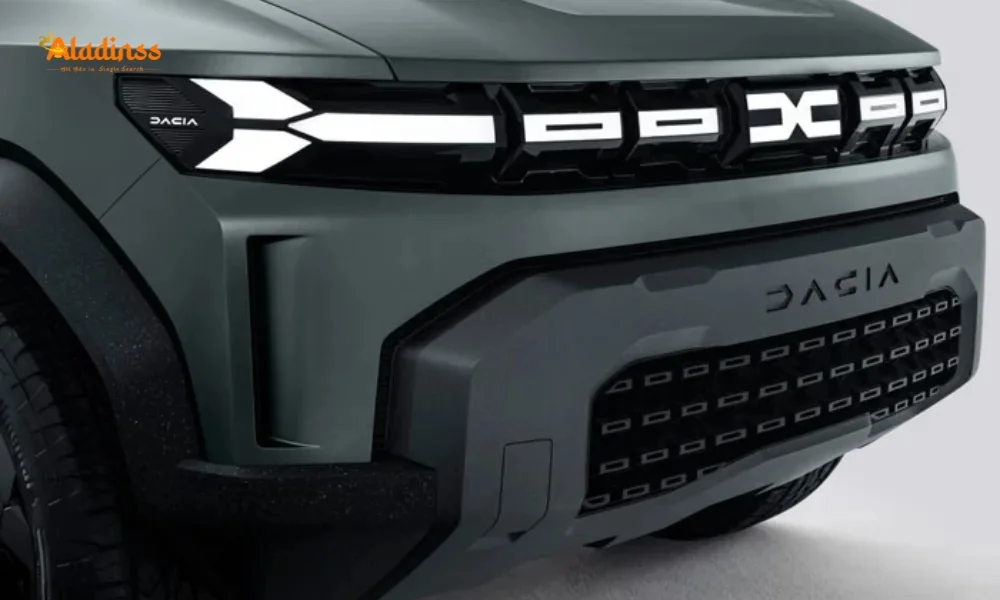
Dacia Bigster First Drive 2025 India Bound SUV Tested
Dacia unleashes the Bigster-a rugged, family-sized SUV built on the new Duster platform. We drove the 4x4 mild-hybrid variant across Iceland’s unforgiving terrain to uncover its capabilities. This Dacia Bigster review reveals if this practical powerhouse has what it takes for Indian roads and rivals like Alcazar, Safari, and XUV700.
Longer, taller, and more spacious than Duster, Bigster targets buyers needing seven seats, all-wheel grip, and value pricing. Renault plans India launch post-Duster debut on January 26, 2026. Expect localized powertrains and aggressive positioning in the mid-size SUV segment.
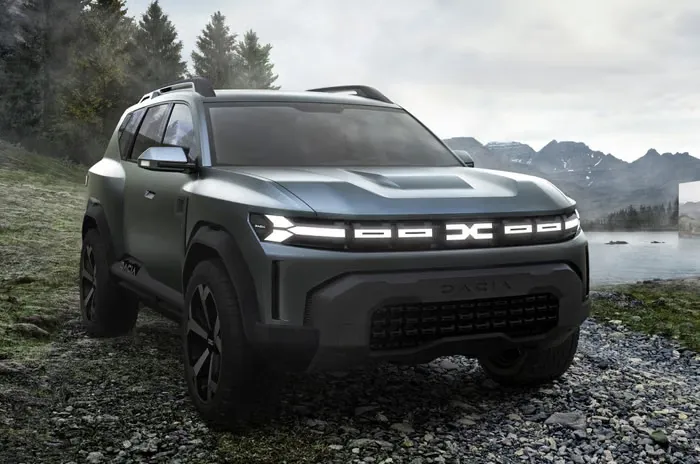
Exterior Design and Stance
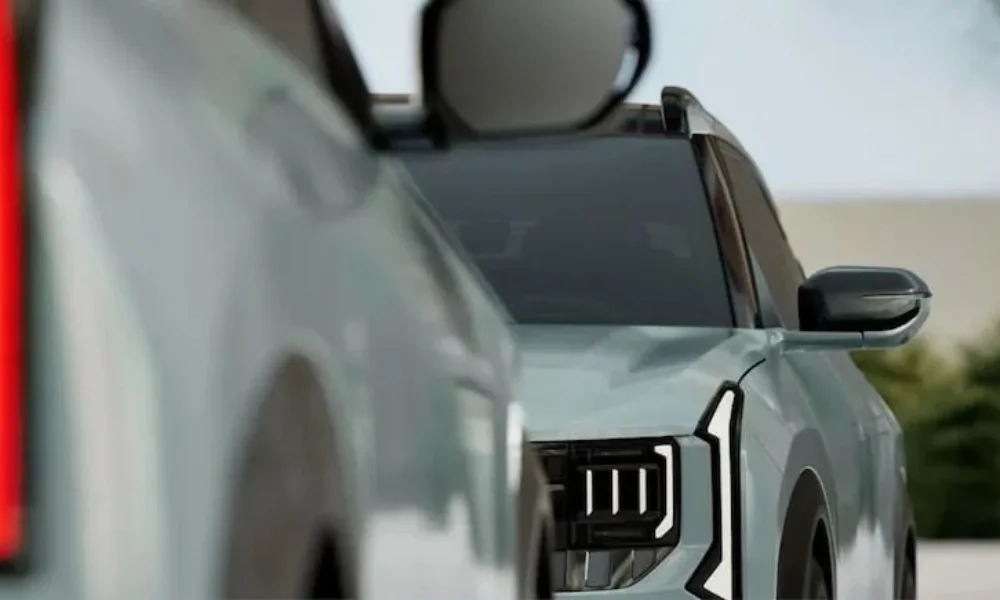
Bigster evolves Duster’s boxy charm into a mature, muscular silhouette. At 4.57 meters long with a 2.7-meter wheelbase, it gains 230mm length and 43mm wheelbase over Duster. Squared wheel arches, high ground clearance (over 200mm), and bold Y-shaped LED lighting create commanding road presence.
Plastic cladding protects lower body from scratches. Roof rails support 75kg loads. The upright stance improves approach (30°) and departure (33°) angles-ideal for light off-roading. Available in seven colors, including striking Desert Orange seen in Iceland.
Compared to curved rivals, Bigster’s angular design maximizes interior space while retaining rugged appeal. No overstretched proportions-just balanced, purposeful SUV aesthetics.
Cabin Layout and Practicality
Interior mirrors new Duster but feels airier thanks to extended dimensions. Hard plastics dominate yet assemble tightly with soft-touch accents on armrests. Upright dashboard hosts a 10.1-inch floating touchscreen angled toward driver.
Digital cluster spans 10 inches with clear graphics. Wireless Android Auto/Apple CarPlay connects instantly. Physical climate knobs ease operation. Panoramic sunroof floods cabin with light-rare in segment.
Front seats offer good support; rear bench accommodates three adults comfortably with ample knee room (over 200mm) and headroom. Third-row option (India-spec) folds flat, expanding boot from 600+ liters to nearly 1,800 liters.
- 30+ storage cubbies totaling 50 liters
- Modular boot floor with dividers
- USB-C ports in both rows
- Wireless charger and cooled glovebox
Powertrain and Performance
Tested unit pairs 1.2-liter three-cylinder turbo-petrol with 48V mild-hybrid system, delivering 130hp and 230Nm. Power routes through six-speed manual to all wheels. Mild-hybrid assists during launches, enables silent restarts, and improves efficiency by 10%.
0-100km/h takes around 11 seconds-adequate, not thrilling. Engine revs eagerly to 5,500rpm with minimal vibration. Gear shifts feel mechanical yet precise after acclimatization. Clutch is light despite long travel.
Fuel economy hovers near 16kmpl in mixed Icelandic conditions. CO2 emissions drop below 140g/km. For India, expect 1.0-liter turbo or naturally aspirated options with manual/automatic choices.
Ride and Handling Dynamics
Suspension tuned for comfort absorbs potholes and undulations smoothly. High-speed stability impresses on Iceland’s winding Ring Road. Body roll remains controlled despite tall stance.
Steering lightens in city; weights up progressively. Grip levels surprise on snow-covered passes thanks to AWD and Michelin all-season tires. Terrain Control offers Eco, Auto, Snow, Mud/Sand, and Off-Road modes-adjusting throttle, ESP, and torque split.
Hill descent control maintains 5-30km/h on steep slopes. No low-range gearbox, but lockable center differential aids traction. NVH insulation keeps wind and tire noise subdued at 120km/h.
Safety and Technology Suite
Six airbags, ABS with EBD, and ISOFIX standard. ADAS includes adaptive cruise, lane keep assist, blind-spot warning, and emergency braking. 360-degree camera with moving guidelines eases parking.
Euro NCAP targets 5 stars. Reinforced CMF-B platform uses high-strength steel. India models may calibrate ADAS for local traffic patterns.
India Launch and Pricing Expectations
Renault Bigster arrives post-Duster in mid-2026. Likely badged as Renault, not Dacia. Three-row seating mandatory to challenge Alcazar (Rs 16-21 lakh), Safari (Rs 16-27 lakh), and XUV700 (Rs 14-26 lakh).
Expected pricing: Rs 13-20 lakh ex-showroom. Localization at Chennai plant ensures 70%+ local content. Engine options: 1.0T petrol (100hp), 1.5 diesel (110hp), possibly mild-hybrid later.
Variants span base to premium with 6MT, CVT, or DCT. Features like sunroof, connected tech, and Level-2 ADAS reserved for top trims. Service network leverages Renault’s 500+ touchpoints.
Competition and Market Fit
Bigster undercuts rivals on price while matching space and features. Safari/XUV700 offer diesel power and prestige; Alcazar brings refinement. Bigster counters with simplicity, durability, and low running costs.
Target buyers: fleet operators, large families, semi-urban users valuing boot space and ground clearance. Resale may trail established brands initially but improve with volume.
Verdict Is Bigster India Ready
Dacia Bigster proves rugged, practical, and surprisingly refined. Iceland’s extremes exposed no major flaws-only minor gearbox notchiness and modest performance. For India, localized pricing and three-row layout could disrupt the segment.
If Renault nails execution, Bigster becomes the value champion among mid-size SUVs. Watch this space-Duster’s big brother is coming to conquer.
Facebook Comments










-
 Explore the upcoming Tamil film Maaman - cast, sto...
 -
 Read the ACE (2025) movie review starring Vijay Se...
 -
 Check out Maaman's 1st day box office collection a...
 -
 Explore tourist family reviews for Maaman movie –...
Popular Posts
Vote / Poll
Recent Posts




Recommended Posts

-
 Discover the best schools in Nagercoil f...
 -
 Discover the top-rated preschools in Nag...
 -
 Explore the best schools in Nagercoil th...

Comment / Reply From