Urban Agriculture
Urban Agriculture
Urban Agriculture
Transforming cityscapes into green spaces
Urban Agriculture: An Introduction
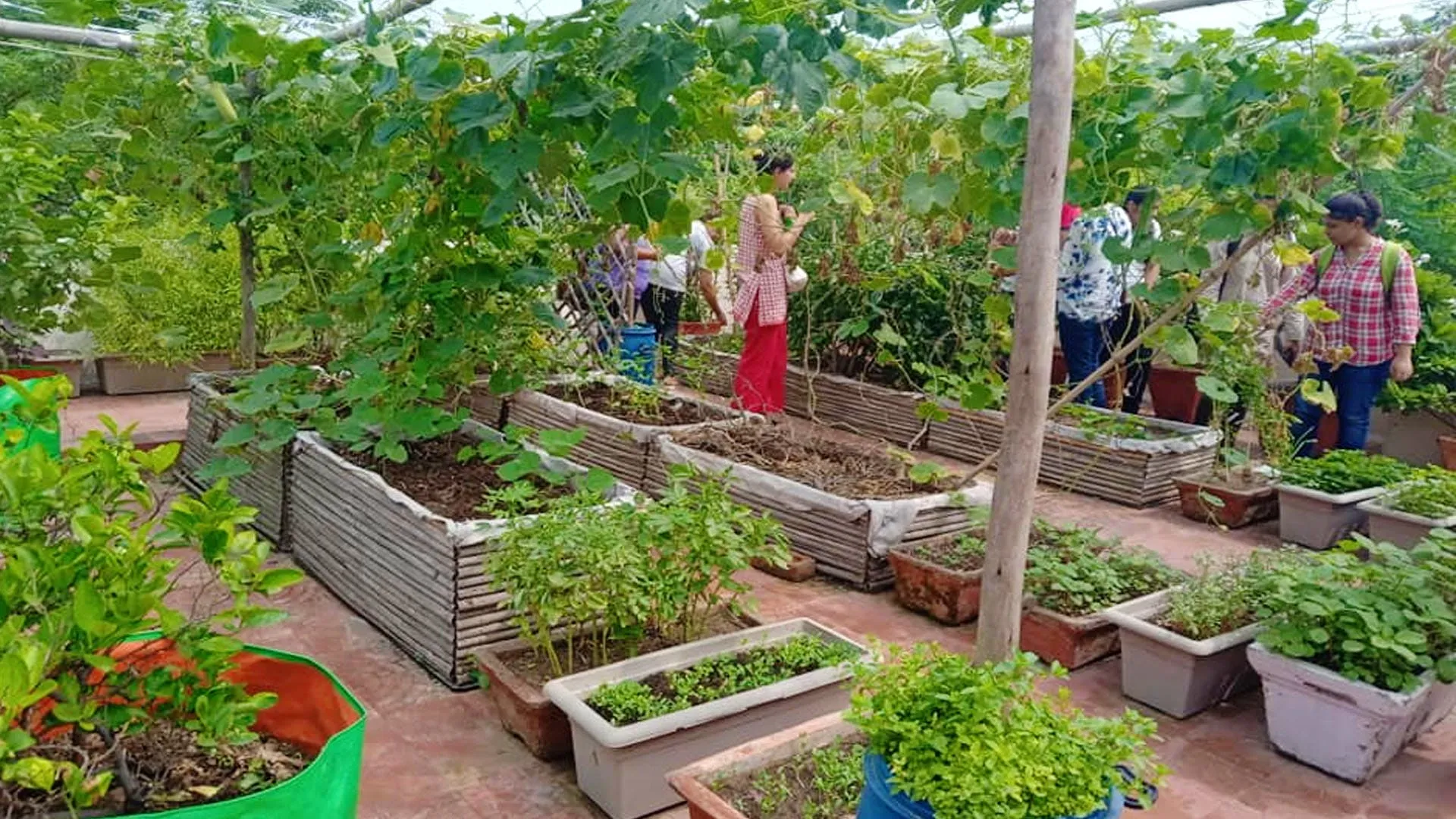
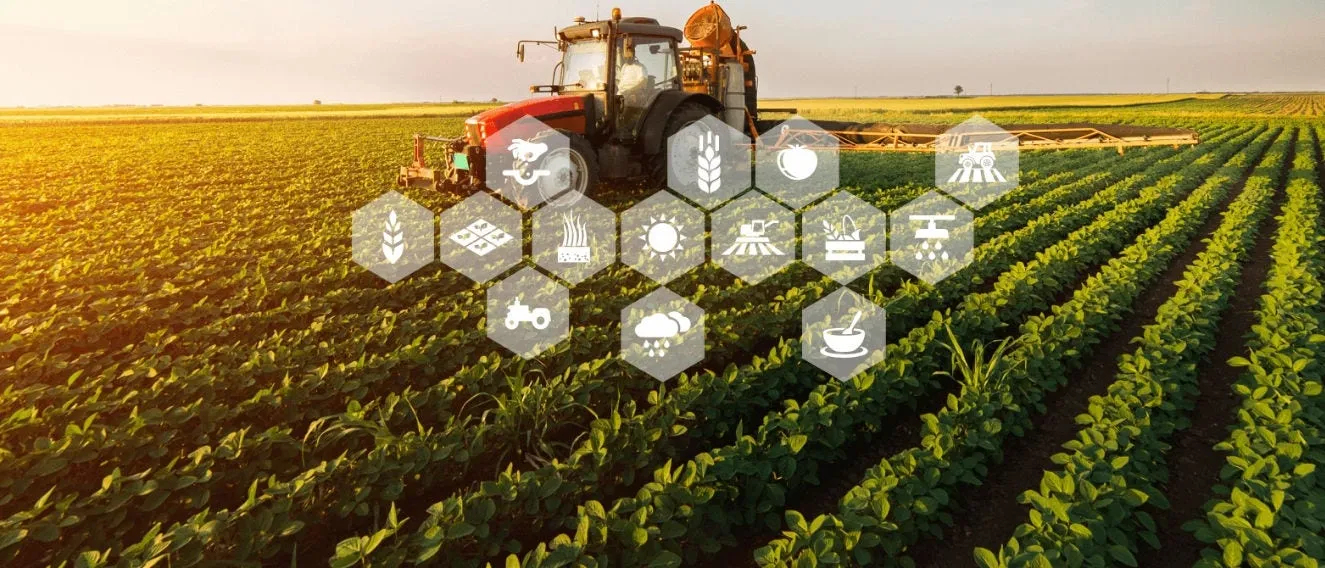
Urban agriculture refers to the practice of cultivating, processing, and distributing food within or around urban areas. This concept is not new but has gained renewed importance in recent years due to urbanization, food security concerns, and environmental sustainability. Urban agriculture involves a variety of activities, including community gardens, rooftop farming, hydroponics, and vertical farming. The integration of agriculture into urban spaces not only provides fresh produce but also fosters community engagement, reduces urban heat, and promotes ecological sustainability.
History and Evolution
Urban agriculture has ancient roots, with practices dating back to civilizations such as Mesopotamia and Ancient Egypt. However, its modern resurgence began during the World Wars when victory gardens were promoted to supplement food supplies. In recent decades, the movement has evolved due to increased awareness of food miles, the environmental impact of traditional farming, and the desire for more sustainable food systems. Today, urban agriculture is a growing trend in cities worldwide, from community gardens in New York to vertical farms in Singapore.
Types of Urban Agriculture
There are several types of urban agriculture, each with unique benefits and challenges.
Community Gardens

Shared plots of land where community members grow food collectively.
Rooftop Gardens
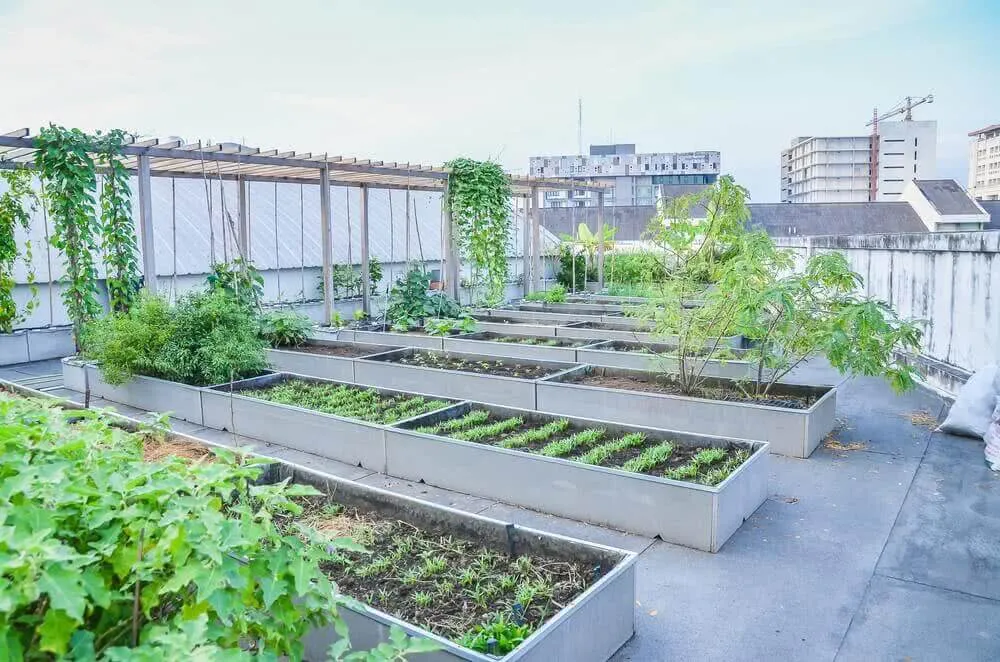
Utilizing building roofs to grow vegetables, herbs, and fruits, often using raised beds or containers.
Hydroponics and Aquaponics
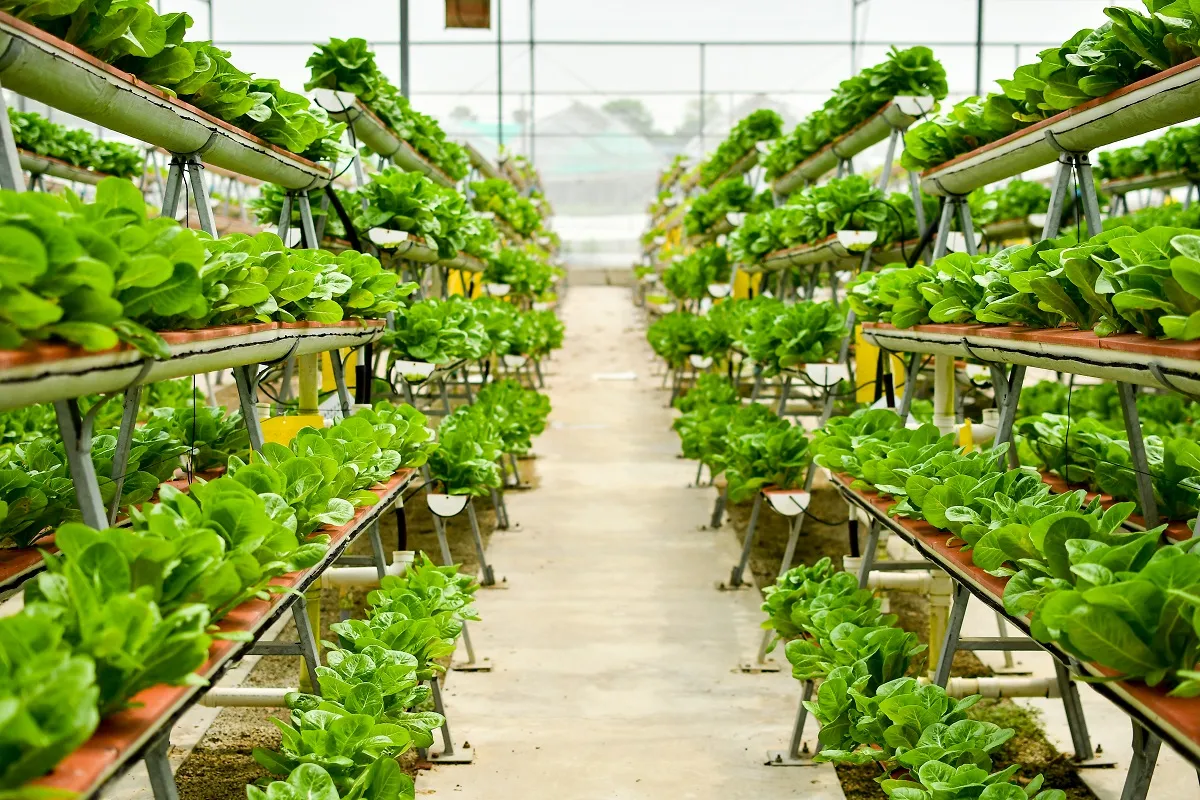
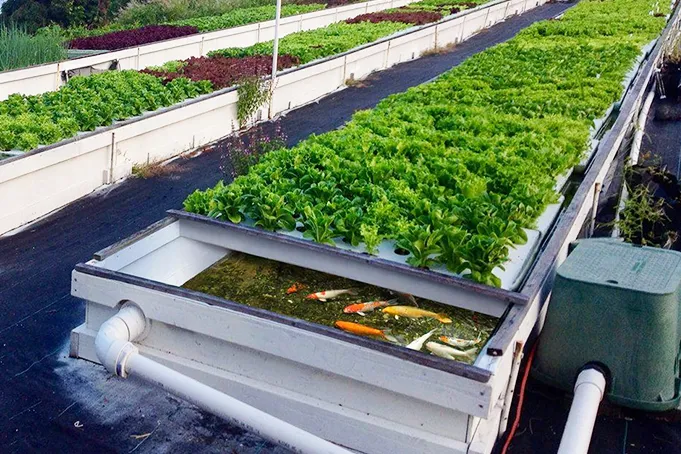
Soil-less farming methods that use water and nutrients to grow plants. Aquaponics integrates fish farming with plant cultivation.
Vertical Farming - Future

A method of growing crops in stacked layers, often indoors, using controlled environments.
Benefits of Urban Agriculture
Urban agriculture offers numerous benefits, including:
- Food Security: Providing fresh, locally grown produce in urban areas, reducing reliance on external food sources.
- Environmental Impact: Reducing carbon footprints by lowering food miles and using sustainable farming practices.
- Economic Opportunities: Creating jobs and income-generating opportunities in urban settings.
- Social and Community Engagement: Strengthening community ties through collective gardening efforts and educational programs.
- Health Benefits: Improving access to fresh, nutritious food and promoting physical activity through gardening.
Challenges and Barriers
Despite its advantages, urban agriculture faces several challenges:
- Land Availability:Urban land is often scarce and expensive, making it difficult to secure plots for farming.
- Regulatory Hurdles: Zoning laws and regulations can restrict farming activities in urban areas.
- Pollution: Urban environments may expose crops to pollution, affecting food safety.
- Social and Community Engagement: Strengthening community ties through collective gardening efforts and educational programs.
- Knowledge and Resources:Farmers need access to agricultural knowledge, technology, and resources to successfully cultivate crops in urban settings.
Technological Innovations
Recent technological advancements have revolutionized urban agriculture:
- LED Lighting: Energy-efficient LED lights support indoor and vertical farming by providing the necessary light spectrum for plant growth.
- Automation: Robotics and automation systems assist in planting, harvesting, and maintaining crops in urban farms.
- Hydroponic system: Advanced hydroponic systems use minimal water and space, making them ideal for urban settings.
Information
Several cities have emerged as leaders in urban agriculture, each addressing local challenges in innovative ways. New York City has implemented numerous community gardens and rooftop farms, backed by supportive policies and grants. In Havana, Cuba, urban farming has become essential, producing a significant portion of the city’s food in response to shortages. Singapore, facing limited space, has become a pioneer in vertical farming, using technology to grow food efficiently. Meanwhile, Tokyo integrates urban farming into its urban planning, with rooftop farms and orchards becoming more prevalent.
Urban Agriculture and Sustainability
Urban agriculture is pivotal for sustainability in urban environments. It supports a circular economy by recycling organic waste into compost and utilizing rainwater for irrigation. Additionally, urban farms enhance biodiversity by creating habitats for pollinators and other wildlife. These green spaces also contribute to climate resilience by mitigating the urban heat island effect and providing localized food systems, helping cities adapt to climate change.
Future Prospects
The future of urban agriculture appears bright, driven by innovation and increasing public awareness. Globally, urban agriculture is expected to grow as cities recognize its role in enhancing food security and sustainability. Technological advancements will continue to make urban farming more efficient and accessible. Urban agriculture will also become a more integral part of urban planning, creating green, productive spaces in cities. Additionally, it will empower communities by providing them with the resources to cultivate their own food and improve their local environments.
Urban agriculture represents a transformative approach to addressing food security, sustainability, and community well-being in urban environments. As cities continue to grow, integrating agriculture into urban spaces will be crucial for creating resilient and sustainable urban ecosystems.
Facebook Comments











-
 Explore the upcoming Tamil film Maaman - cast, sto...
 -
 Read the ACE (2025) movie review starring Vijay Se...
 -
 Check out Maaman's 1st day box office collection a...
 -
 Explore tourist family reviews for Maaman movie –...
Popular Posts
Vote / Poll
Recent Posts




Recommended Posts

-
 Discover the best schools in Nagercoil f...
 -
 Discover the top-rated preschools in Nag...
 -
 Explore the best schools in Nagercoil th...

Comment / Reply From