The Foundation of Life: Understanding Modern Agriculture
The Foundation of Life: Understanding Modern Agriculture
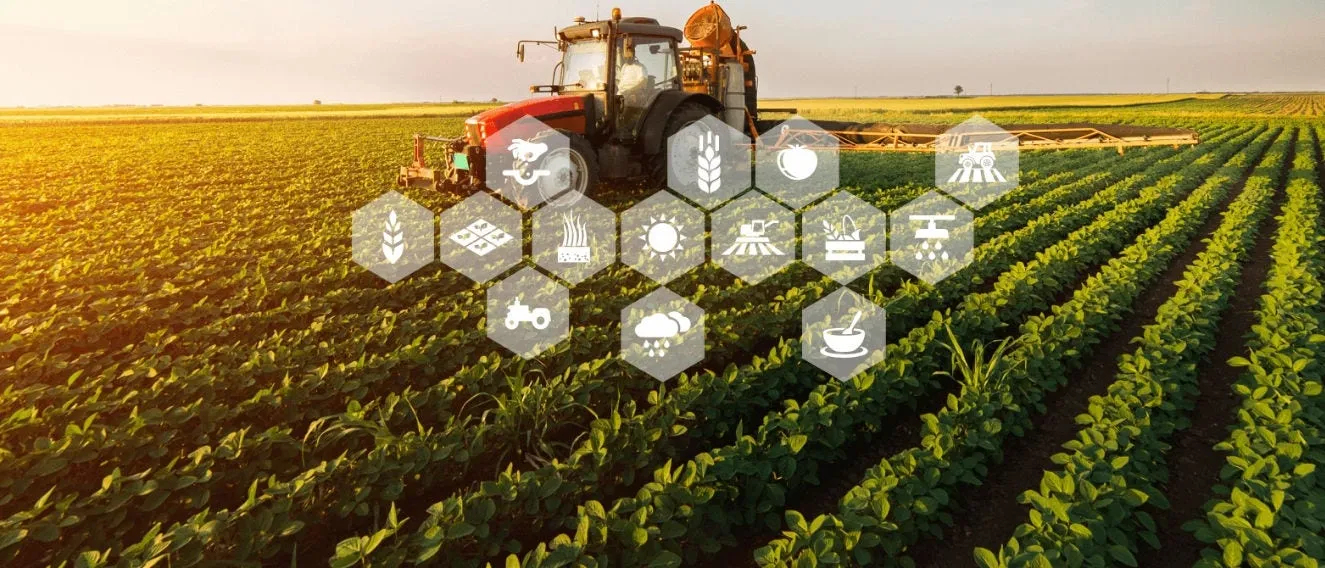
Agriculture remains one of the most essential pillars of human civilization, shaping economies, cultures, and food systems across the globe. From the earliest domestication of plants and animals nearly 11,500 years ago to today's technology-driven farming methods, agriculture has continuously evolved to meet the growing demands of society. At its core, agriculture involves the systematic cultivation of soil, production of crops, and rearing of livestock to provide food, fiber, fuel, and raw materials that support daily life.
Modern agriculture goes beyond traditional farming. It integrates scientific research, mechanization, biotechnology, data analytics, and sustainable practices to maximize productivity while reducing environmental impact. As global populations rise and climate patterns shift, agriculture stands at the center of discussions around food security, economic resilience, and environmental sustainability.
The Broad Scope of Agriculture and Its Key Sectors
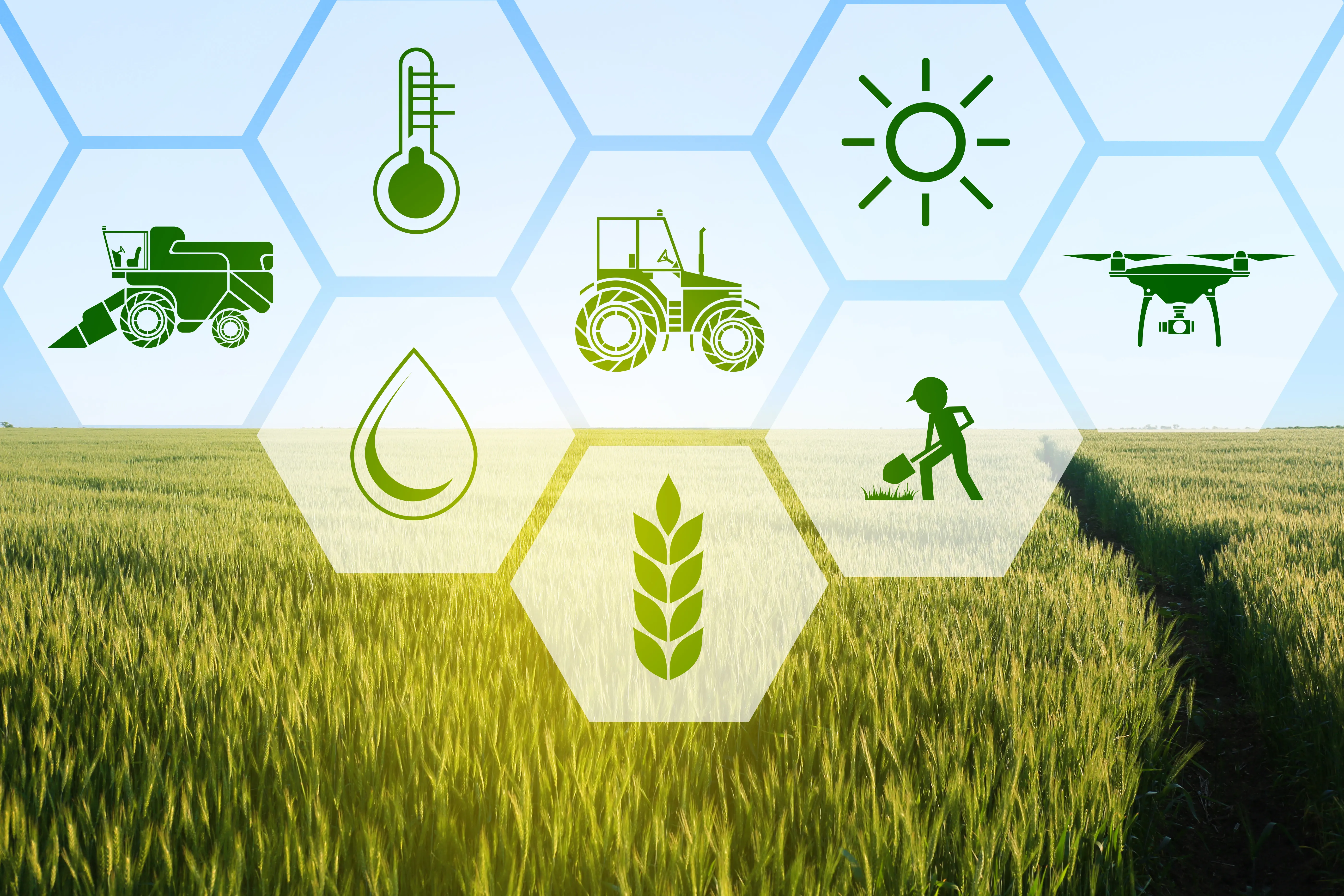
Agriculture is not a single activity but a diverse network of interconnected sectors, each playing a vital role in sustaining populations and industries. These sectors collectively form the backbone of rural economies and global food systems.
Crop Farming and Global Food Supply
Crop farming focuses on the cultivation of plants for food, animal feed, industrial use, and biofuel production. Staple crops such as rice, wheat, maize, and pulses form the dietary foundation for billions of people worldwide. In addition to food crops, farmers grow cotton, sugarcane, oilseeds, and medicinal plants that support major industries.
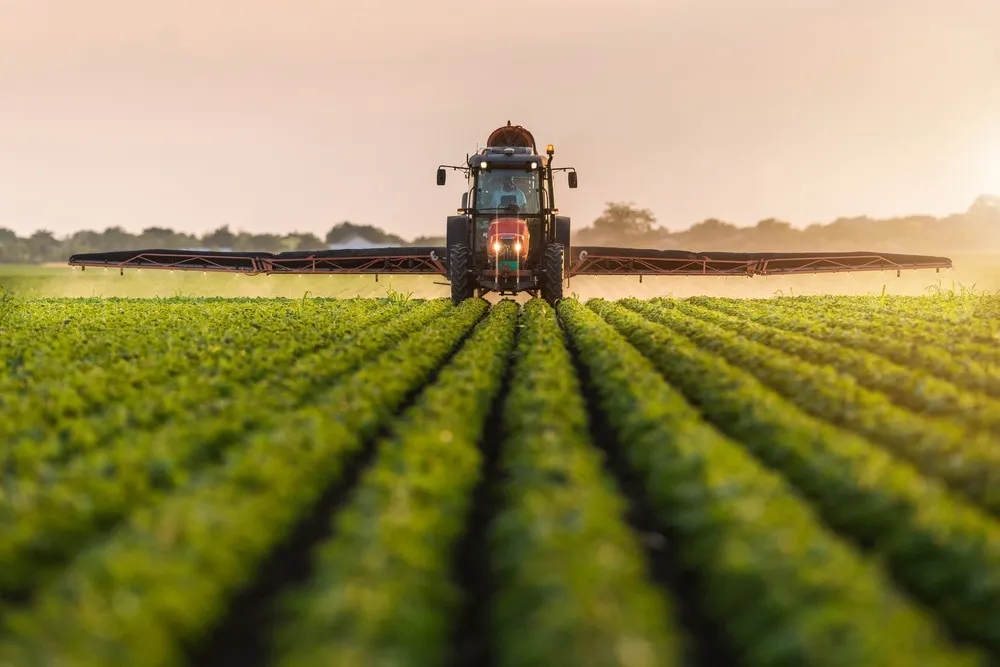
Advancements in seed technology, irrigation methods, and precision agriculture have significantly improved crop yields in recent decades. However, challenges such as soil degradation, water scarcity, and climate variability continue to influence crop production patterns, making innovation and adaptive strategies increasingly important.
Animal Husbandry and Livestock Management
Animal husbandry involves the breeding, feeding, and management of domesticated animals for meat, milk, eggs, wool, and leather. Livestock farming supports both nutritional needs and rural livelihoods, especially in developing regions where mixed farming systems dominate.
Improved veterinary care, balanced feed systems, and disease control measures have enhanced productivity and animal welfare. At the same time, the sector faces scrutiny regarding environmental emissions, land use, and ethical practices, driving a shift toward sustainable livestock management.
Horticulture and High-Value Cultivation
Horticulture specializes in the intensive cultivation of fruits, vegetables, flowers, and ornamental plants. This sector emphasizes quality, freshness, nutritional value, and market appeal. Greenhouses, nurseries, and protected cultivation systems allow year-round production and higher returns per unit area.
Urban demand for fresh produce and export-oriented markets have driven rapid growth in horticulture. Advanced storage, cold chain logistics, and post-harvest technologies are increasingly critical in reducing losses and maintaining quality from farm to consumer.
Dairy Farming and Milk Production Systems
Dairy farming focuses on the production of milk and value-added products such as cheese, butter, yogurt, and powdered milk. Efficient dairy systems rely on herd health management, hygienic milking practices, and cold storage infrastructure to ensure food safety and quality.
Rising demand for protein-rich diets has increased the importance of the dairy sector. Smallholder dairy farmers contribute significantly to rural incomes, while organized dairy cooperatives play a crucial role in market access and price stability.
Fisheries and Aquaculture Developments
Fisheries and aquaculture supply a major share of global protein consumption. While capture fisheries rely on natural water bodies, aquaculture involves controlled farming of fish, shellfish, and aquatic plants. This sector has expanded rapidly as demand for seafood increases.
Modern aquaculture techniques focus on feed efficiency, water quality management, and disease prevention. Sustainable practices aim to reduce pressure on wild fish stocks while maintaining ecological balance.
Modern Farming Techniques and Technological Advances
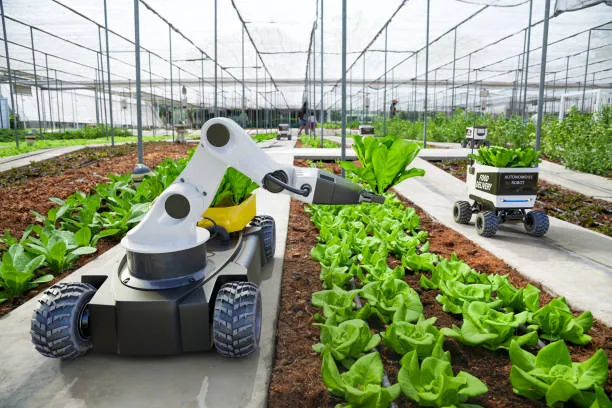
Innovation continues to reshape agriculture through techniques such as organic farming, precision agriculture, hydroponics, and vertical farming. These approaches aim to improve efficiency, reduce resource consumption, and minimize environmental impact.
Vertical farming, in particular, has gained attention for its ability to produce crops in controlled indoor environments using significantly less water and land. Hydroponic systems eliminate the need for soil, delivering nutrients directly to plant roots and enabling cultivation in urban areas.
Economic and Social Importance of Agriculture
Agriculture plays a critical role in employment generation, particularly in rural regions. Hundreds of millions of people worldwide depend on farming and allied activities for their livelihoods. The sector also supplies raw materials for industries such as textiles, pharmaceuticals, biofuels, and food processing.
A strong agricultural base supports economic stability, reduces dependency on imports, and enhances food sovereignty. As governments and institutions focus on sustainable development, agriculture remains central to long-term planning and policy decisions.
Facebook Comments












-
 Explore the upcoming Tamil film Maaman - cast, sto...
 -
 Read the ACE (2025) movie review starring Vijay Se...
 -
 Check out Maaman's 1st day box office collection a...
 -
 Explore tourist family reviews for Maaman movie –...
Popular Posts
Vote / Poll
Recent Posts




Recommended Posts

-
 Discover the best schools in Nagercoil f...
 -
 Discover the top-rated preschools in Nag...
 -
 Explore the best schools in Nagercoil th...

Comment / Reply From