The Essence of Taekwondo: Philosophy, Discipline, and Martial Tradition
The Essence of Taekwondo: Philosophy, Discipline, and Martial Tradition
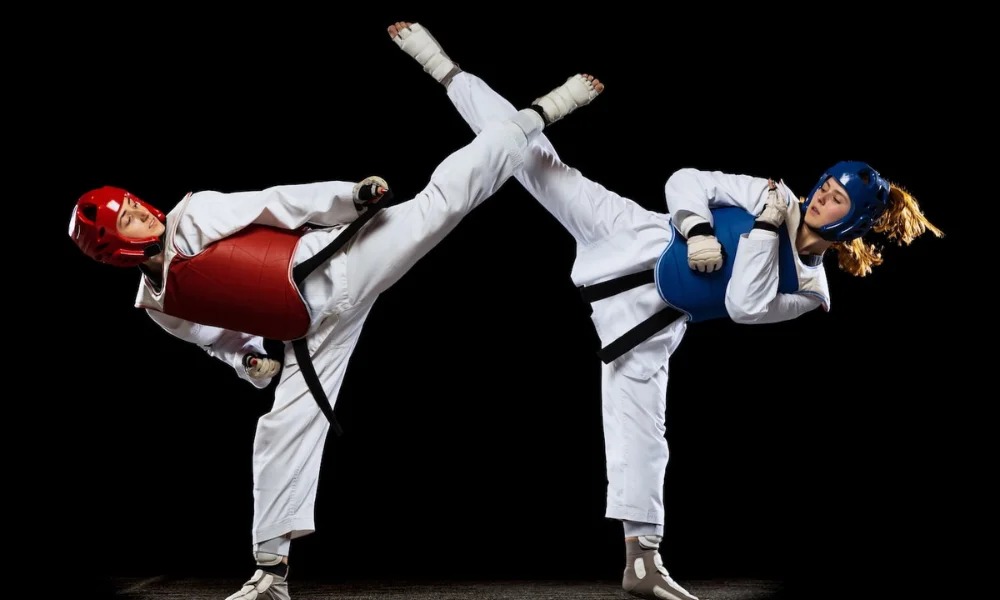
Taekwondo is widely recognized as one of the most dynamic martial arts practiced around the world. Known for its explosive kicking techniques, agile footwork, and impressive spinning attacks, the art has become a major presence in international combat sports and Olympic competition. Yet beyond the visible athletic spectacle lies a deeper cultural and philosophical framework that defines Taekwondo as more than a sport. The essence of Taekwondo is rooted in a philosophy of personal discipline, moral responsibility, and lifelong self-development.
Modern practitioners often encounter Taekwondo through competitive sparring and fitness-oriented training programs, but historically the martial art was conceived as a holistic system designed to shape both body and character. In recent years, discussions within the martial arts community have focused on how Taekwondo has evolved globally, particularly as Olympic-style competition has gained prominence. This report explores both the foundational philosophy of Taekwondo and the ongoing debate surrounding its transformation into a modern sport.
Historical Origins of Taekwondo
The history of Taekwondo is closely connected to the cultural and political development of Korea during the twentieth century. Although the martial art officially emerged in the 1950s, its conceptual roots can be traced back to traditional Korean combat systems such as Taekkyeon and Subak. These older fighting traditions emphasized fluid kicking techniques, strategic movement, and practical self-defense.
After Korea regained independence in 1945, a number of martial arts schools known as kwans began teaching different systems influenced by both Korean traditions and Japanese karate. During the following decade, efforts were made to unify these systems under a single national martial art. In 1955 the term Taekwondo was officially adopted, marking the birth of a modern martial discipline that combined cultural identity with martial practicality.
The meaning of the word itself reflects the philosophy of the art. Tae refers to foot techniques, Kwon refers to hand strikes, and Do represents the way or path of disciplined practice. The inclusion of Do indicates that Taekwondo is not simply about fighting ability but about following a path of personal cultivation through structured training.
Core Tenets That Define Taekwondo
Courtesy and Respect
Courtesy is one of the most visible elements of traditional Taekwondo culture. Students bow before entering the training hall, greet instructors formally, and show respect toward training partners. This practice reinforces humility and discipline while reminding practitioners that martial arts are not merely about physical strength but about ethical conduct and mutual respect.
Integrity and Personal Responsibility
Integrity represents honesty and moral accountability. Practitioners are encouraged to approach their training with sincerity and transparency. In martial arts culture, integrity means acknowledging weaknesses and striving to improve rather than masking limitations. This principle strengthens both technical development and character formation.
Perseverance Through Discipline
Taekwondo training requires repetition, patience, and continuous effort. Progress often occurs gradually through years of practice. Perseverance encourages students to remain committed even when faced with challenges such as difficult techniques, physical fatigue, or competitive setbacks.
Self-Control in Martial Practice
One of the most important lessons in Taekwondo is the ability to control one's power and emotions. Martial artists develop strong techniques that can cause harm if used irresponsibly. Self-control ensures that such abilities are guided by discipline and ethical awareness rather than aggression.
Indomitable Spirit
The concept of indomitable spirit represents the courage to stand firm against adversity. Historically, this ideal resonated strongly within Korean culture, symbolizing resilience during periods of national hardship. In martial arts training it encourages practitioners to maintain determination regardless of obstacles.
The Rise of Modern Taekwondo Competition
The global expansion of Taekwondo accelerated during the late twentieth century. As international organizations promoted standardized competition rules, Taekwondo transformed from a regional martial art into a worldwide sport practiced in more than two hundred countries. Olympic recognition further amplified its visibility, introducing millions of viewers to the dramatic kicking techniques that define competitive matches.
Olympic-style sparring focuses heavily on speed, accuracy, and tactical movement. Competitors wear electronic scoring equipment designed to detect precise impacts. This system rewards fast kicks to the torso and head while emphasizing agility and timing. As a result, modern athletes often demonstrate remarkable flexibility and athletic conditioning.
Strengths of Modern Taekwondo Development
One of the most significant advantages of modern Taekwondo is its global accessibility. The art is practiced by millions of students across diverse cultures and age groups. Schools around the world provide structured training programs that encourage physical fitness, coordination, and discipline.
Competitive Taekwondo has also driven technical innovation. Athletes continually refine advanced kicking techniques, including spinning hook kicks, axe kicks, and jumping attacks. These techniques require exceptional balance, timing, and muscular control. As a result, Taekwondo competitors are often regarded as some of the most dynamic kickers in the martial arts world.
The sport has also proven particularly effective in youth development programs. Many young practitioners gain confidence and discipline through structured training, belt advancement systems, and tournament participation. These experiences can foster valuable life skills such as perseverance and goal setting.
Critical Perspectives on Modern Taekwondo
Despite its popularity, modern Taekwondo has faced criticism from experienced martial artists who believe the sport format has shifted focus away from traditional martial principles. One of the most frequently cited concerns involves the heavy emphasis on point-based sparring. Because matches are judged through electronic scoring systems, competitors often prioritize techniques that trigger sensors rather than techniques that might be practical in real self-defense situations.
Another concern relates to the gradual reduction of philosophical instruction within some training environments. While traditional dojang culture emphasizes moral education alongside physical training, commercial schools sometimes focus more heavily on competition preparation and belt promotion systems. This shift may reduce the depth of philosophical engagement for new practitioners.
The global expansion of Taekwondo has also produced multiple governing organizations and stylistic interpretations. Differences in forms, sparring rules, and training methods can lead to fragmentation within the martial arts community. For practitioners seeking historical authenticity, these variations sometimes create confusion about what constitutes traditional Taekwondo.
Nevertheless, many instructors believe that the future of Taekwondo lies in balancing both dimensions of the art. Competitive sport can coexist with philosophical education and traditional training methods when instructors intentionally preserve the cultural values that originally defined the martial art.
Facebook Comments














-
 Explore the upcoming Tamil film Maaman - cast, sto...
 -
 Read the ACE (2025) movie review starring Vijay Se...
 -
 Check out Maaman's 1st day box office collection a...
 -
 Explore tourist family reviews for Maaman movie –...
Popular Posts
Vote / Poll
Recent Posts




Recommended Posts

-
 Discover the best schools in Nagercoil f...
 -
 Discover the top-rated preschools in Nag...
 -
 Explore the best schools in Nagercoil th...

Comment / Reply From