Palwankar Baloo: The Mystical Story of the Cricketer who Crashed down the Caste barriers in the Indian cricketing.
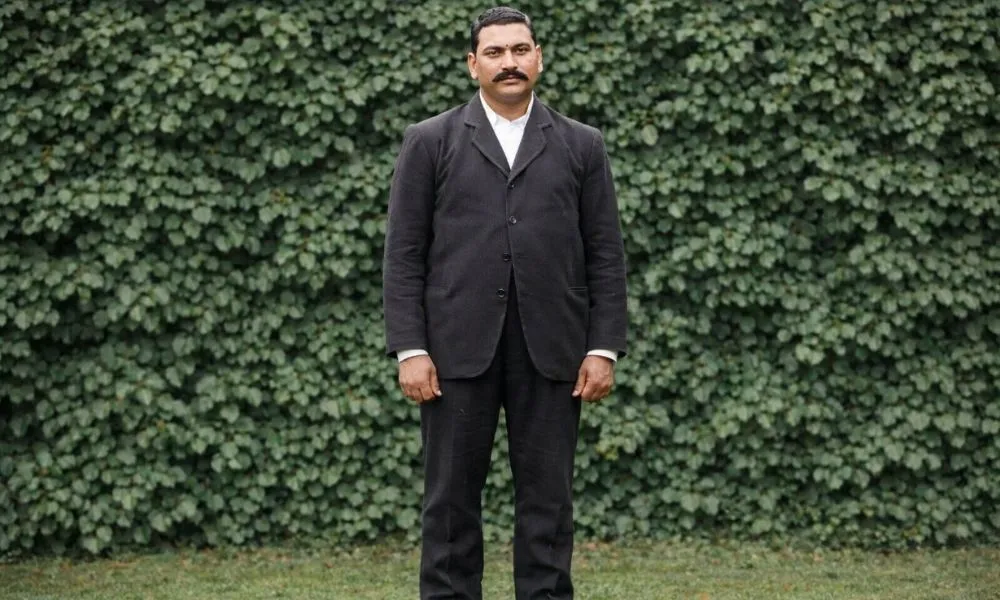
Palwankar Baloo: The Mystical Story of the Cricketer who Crashed down the Caste barriers in the Indian cricketing.
One of the early great cricketers of India and an early pioneer to break social boundaries in the sport was Palwankar Baloo (sometimes in some writings known as Prakash/Babaji Baloo Vithal). He was born on 19 March 1876 in Dharwad, Bombay Presidency (modern Karnataka) to parents of an orthodox family in the slow left-arm orthodox bowling and became famous due to his great success in the early Indian Cricket. Baloo represented the Hindus team at the popular Bombay Quadrangular and was broadly admired by his bowling talent and leadership abilities.
Other than cricketing, Baloo was also a social reformist as well as a political figure. He belonged to a Dalit community, and he underwent a very harsh caste discrimination in his playing career, still he managed to succeed and became an icon of equality and perseverance in the Indian sport history. Not only did his success impact the cricket world, but it also helped in creating a more general discourse on social justice in India.
Childhood and Family History
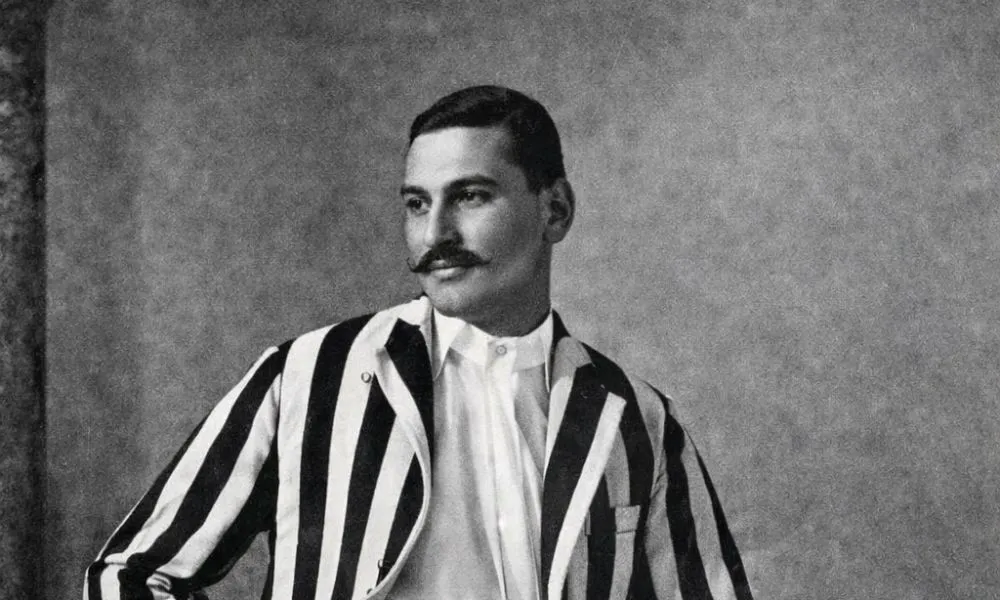
Palwankar Baloo was born in 1876 in the Dharwad family that belonged to Dalits. His father was a soldier in the British Indian Army, later on the family settled in Pune. Baloo was raised in a poor family, where he had to struggle with numerous social discrimination problems and the lack of opportunities.
Even in the face of these misfortunes, he grew up to have an interest in cricket. Baloo along with his brothers used to play the sport with the equipment left by the British officers in Pune. These childhood experiences have formed the basis of what was to be a great career in cricket.
Entry into Cricket
Baloo started playing cricket by taking the position of a ground man and roller of pitch in a local cricket club in Pune. Even though he used to do maintenance work at first, he regularly bowled in the nets to club members, and soon made an impression on them through his innate ability.
Players and coaches had noticed his correct left-arm spin bowling. His talents later won him the chance to play professional matches in a competitive aspect and this started his career in cricket.
Increase in Bombay Quadrangular Tournament.
Baloo was the star in the popular Bombay Quadrangular, playing in the Hindus team. This was a contest where various communities like Hindus, Parsis, Europeans, and Muslims had their own team competing. Baloo demonstrated his effectiveness in the tournament as one of the best bowlers because of constant appearances. He was the backbone of the Hindus team in a few seasons because of his performance of taking wickets every now and then.
Bowling Style and Strengths of Cricketing
Baloo was much enjoyed due to his slow orthodox bowling with the left arm. He could disturb the best batsmen thanks to his mastery of line and length.
The other significant factor about his bowling was that he could spin the bowling ball sharply on various tones. The ability earned him a great reputation as a bowler of his era and contributed to his amazing success in the initial Indian cricket.
Achievements in First Class Cricket
Baloo had an impressive record in his career in the first class with 33 matches and 179 wickets; the best in those times. The fact that his average as a bowler was approximately 15 runs per wicket showed his capability to perform as a match-winner. These earned him a position as one of the most successful cricketers in India at the beginning of the twentieth century. Most historians of cricket believe that he was one of the earliest world-grade bowlers of the country.
Fights with Caste Discrimination
Baloo was highly discriminated against by virtue of his belonging to a Dalit community despite his amazing talent. In games, he used to be seated apart with his teammates and could be fed and tea offered besides the main pavilion. Although he was the greatest player in the team, selectors refused to give him the chance of leading Hindus team again and again. These events demonstrate the social discrimination that was prevailing in the Indian society.
Influence Beyond Cricket
Baloo was much more successful than just in the field of cricket. The man became a significant icon of social equality and encouraged a number of individuals belonging to the marginalized groups to engage in sports and education.
Through his success, he defied the social structure of the society and proved that talent and hard work could counter discrimination. Consequently, Baloo emerged as a great personality in both sport and social reformist movements.
Social and Political activities
In the later life, Baloo had been engaged in politics and social activism. He was also inspired by concepts of Mahatma Gandhi and labored towards the empowerment of the oppressed communities.
He also had contacts with social reformers like B. R. Ambedkar. Despite the fact that they later disagreed on some matters, the two figures acknowledged the need to change the situation of marginalized groups in India.
Learning History and Historical Significance
Palwankar Baloo is also remembered as the pioneer of Indian cricket and first big Dali cricketer to acquire national fame. The success of his activities inspired the new generations of players and contributed to the inclusion of cricket in India.
Historians and cricket lovers today identify Baloo as someone who broke social boundaries and was doing well in the sport. His biography is also an essential constituent of the history of Indian cricket, as well as the wider issue of social equality.
The legacy of Palwankar Baloo in the social reform movements in India is another feature worthy to be discussed. His achievements in the field of cricket when the caste discrimination was strong demonstrated that talent and willpower could break the strong social boundaries. Most historians are of the view that his accomplishments enabled him to break any kind of traditionalism in the Indian society and today he is remembered not only as a great cricketer but as a symbol of courage, equality and social development in the history of Indian sport.
Facebook Comments











-
 Explore the upcoming Tamil film Maaman - cast, sto...
 -
 Read the ACE (2025) movie review starring Vijay Se...
 -
 Check out Maaman's 1st day box office collection a...
 -
 Explore tourist family reviews for Maaman movie –...
Popular Posts
Vote / Poll
Recent Posts



Recommended Posts

-
 Discover the best schools in Nagercoil f...
 -
 Discover the top-rated preschools in Nag...
 -
 Explore the best schools in Nagercoil th...

Comment / Reply From