Keki Khurshedji Tarapore: The Silent Spinner and Cricket Guardian Who Molded India's Early Game

Keki Khurshedji Tarapore: The Silent Spinner and Cricket Guardian Who Molded India's Early Game
Few names from India's initial cricketing history stand out as clearly yet modestly as Keki Khurshedji Tarapore - a player whose short international tenure belied a lifelong bond with the sport and a heritage that stretched far past the boundary rope. His narrative blends on-field aptitude, superb precision as a bowler, and lasting commitments off the field as a cricket executive and guide.
Early Life and Background
Born on 17 December 1910 in Bombay (now Mumbai), Tarapore attended Harda New High School and Elphinstone College, captaining both institutions' sides. He earned a Bachelor of Arts degree while cultivating a profound fondness for cricket and engaging with first-class cricket circuits in Bombay.
Playing Career: Bowler and Team Fixture
Tarapore debuted in first-class cricket in 1937 for the Parsees and Bombay. A right-handed batter and slow left-arm orthodox spinner, he was celebrated for precision and subtle deviation. Across 40 matches, he took 148 wickets at an average of 28.77, with five five-wicket hauls and best figures of 8/91, while scoring 441 runs with a top score of 42.
Test Debut and International Milestone
Tarapore's sole Test appearance came at age 38 against the West Indies in Delhi, November 1948. Bowling 19 overs without success and scoring 2 runs, his international playing record was brief, curtailed further by a finger affliction and competition from fellow spinners.
Playing Style: Precision Over Panache
Known for steadiness and accuracy rather than flamboyance, Tarapore's slow left-arm orthodox bowling kept top batters in check. His disciplined lines and subtle variations made him a valued member of the local spin-oriented bowling circuits.
Impact Beyond the Boundary: Cricket Administration and Legacy
After retiring from first-class cricket, Tarapore moved into cricket administration. He served as Manager of the Indian squad on tours to England (1967) and the West Indies (1970-71), and was Secretary of the Cricket Club of India (CCI) from 1954-1982. In 1974, the Marylebone Cricket Club honored him as an associate member.
Tarapore's influence also shaped future players. Kapil Dev recounted how Tarapore's casual remark that India lacked fast bowlers became a motivational spark for him. His administrative guidance helped India's cricket structure flourish during a formative period.
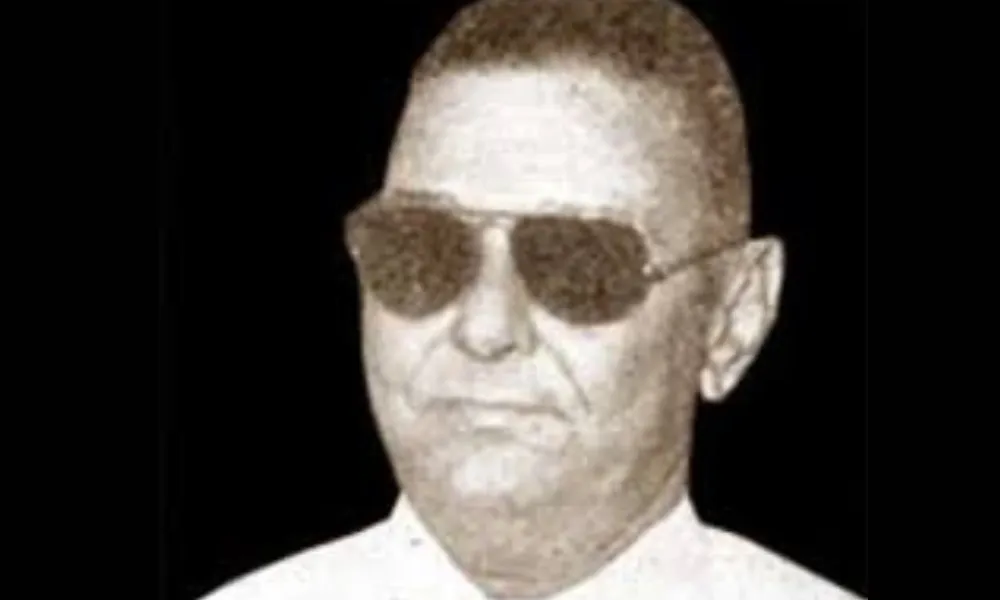
Final Years and Legacy
Keki Khurshedji Tarapore passed away on 15 June 1986 in Pune, Maharashtra. His contributions off the field - from managing teams to nurturing the administrative framework of Indian cricket - remain enduring. He exemplified how dedication and guidance can shape the game's future, beyond personal statistics or fame.
Conclusion: A Figure of Quiet Influence
Tarapore's legacy is defined by steady commitment and extended impact. From his origins in Bombay's first-class cricket to decades of executive stewardship, he quietly shaped the sport and left a foundation for future Indian cricket generations.
Facebook Comments













-
 Explore the upcoming Tamil film Maaman - cast, sto...
 -
 Read the ACE (2025) movie review starring Vijay Se...
 -
 Check out Maaman's 1st day box office collection a...
 -
 Explore tourist family reviews for Maaman movie –...
Popular Posts
Vote / Poll
Recent Posts



Recommended Posts

-
 Discover the best schools in Nagercoil f...
 -
 Discover the top-rated preschools in Nag...
 -
 Explore the best schools in Nagercoil th...

Comment / Reply From