Hemachandra Ramachandra Adhikari The Soldier Cricketer Of India
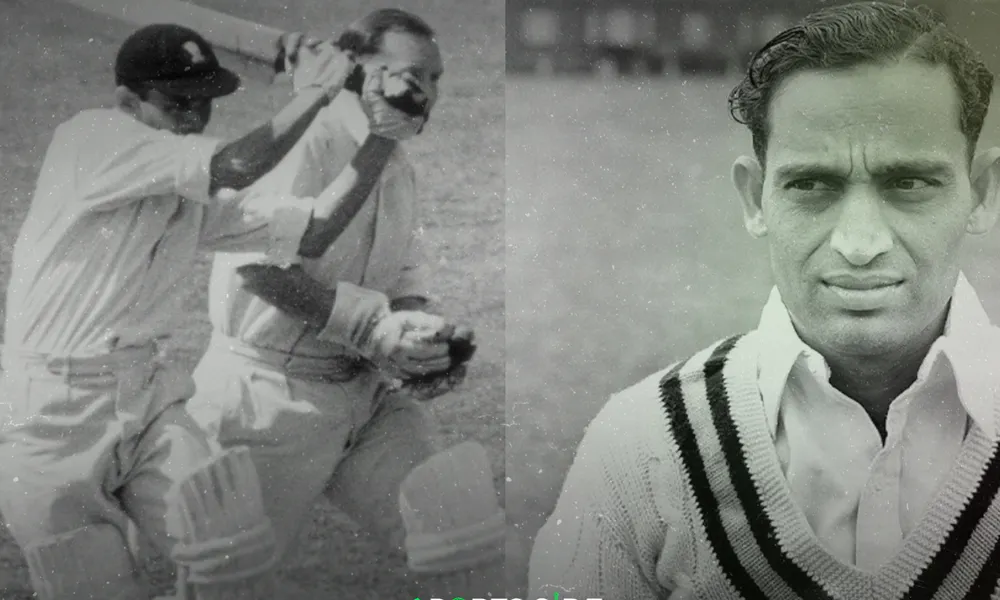
Hemachandra Ramachandra Adhikari: The Soldier - Cricketer Who Shaped Indian Cricket
In the early era of Indian Test cricket, one name stands out not just for solid performances on the field, but for character, discipline, and leadership - Hemachandra Ramachandra Adhikari , more commonly known as Hemu Adhikari . A formidable batsman, agile fielder, and respected leader, Adhikari's journey from domestic cricket to captaining India and later mentoring some of the nation's greatest players is a fascinating chapter in cricket history that helped lay the foundation for future Indian success. :contentReference[oaicite:0]{index=0}
Early Life and Cricket Beginnings
Born on 31 July 1919 in Poona (now Pune), Maharashtra , Hemu Adhikari was drawn to cricket at a young age, combining natural flair with an impressive work ethic. He made his first - class debut as a teenager in the 1936/37 domestic season , representing Gujarat and later Baroda and Services teams. Cricket in India at that time had limited opportunities and was greatly disrupted by World War II. Despite these challenges, Adhikari continued to develop his all - round skills.
Test Career and Key Matches
Adhikari's international journey began when he made his Test debut for India against Australia in 1947 in Brisbane - part of India's first tour after independence. Over a career that spanned more than a decade, he played 21 Test matches between 1947 and 1959 , amassing 872 runs at an average of 31.14 , including one century and four fifties .
One of the highlights of his batting came in 1948 - 49 against the West Indies at Delhi , where he scored an unbeaten 114*, a vital innings that helped India hold on in a challenging match. His first - class record was even more impressive, accumulating 8,683 runs at an average of over 41 , including many centuries and fifties.
Playing Style and Strengths
A right - handed batsman known for his composure and technique, Adhikari could tackle both spin and pace with confidence. While not the flashiest player, he embodied resilience and timing, often turning difficult situations into valuable contributions.
In addition to batting, he bowled leg - breaks , providing useful support with the ball when required. Perhaps equally remarkable was his fielding - agile and intense - especially at cover point , where his athleticism and sharp throws were widely admired by contemporaries.
Leadership and Notable Contributions
Adhikari's cricketing knowledge and calm temperament made him a natural leader. Nearing his fortieth birthday, he was appointed captain in the final Test of the 1958 - 59 series against the West Indies , where he excelled with both bat and ball - scoring 63 and 40 and taking three wickets in a match India managed to draw.
His leadership was not just about runs or wickets, but strategic insight and calm under pressure , qualities that served India well in difficult competitive contexts.
Coaching, Mentoring, and Post - Retirement Impact
After retiring from first - class and Test cricket, Adhikari continued to shape Indian cricket as a coach and manager . He was respected for his disciplined techniques and ability to mentor players. Under his guidance and administrative input, India achieved its first Test series win in England in 1971 , a historic milestone.
Beyond achievements on paper, he helped nurture future stars such as Sunil Gavaskar, Kapil Dev, and Ravi Shastri - cricketers who would go on to define Indian cricket in later decades. His influence extended beyond the field, instilling discipline and strategic thinking into generations of players.
Legacy and Conclusion
Hemachandra Ramachandra “Hemu” Adhikari passed away on 25 October 2003 at the age of 84, but his legacy lives on in Indian cricket lore. A soldier on and off the field, he brought discipline, courage, and tactical clarity to a sport that was still finding its global footing. His contributions as a player, captain, coach, and mentor helped shape the trajectory of India's cricketing ascent - a legacy that cricket historians and fans continue to celebrate.
Facebook Comments













-
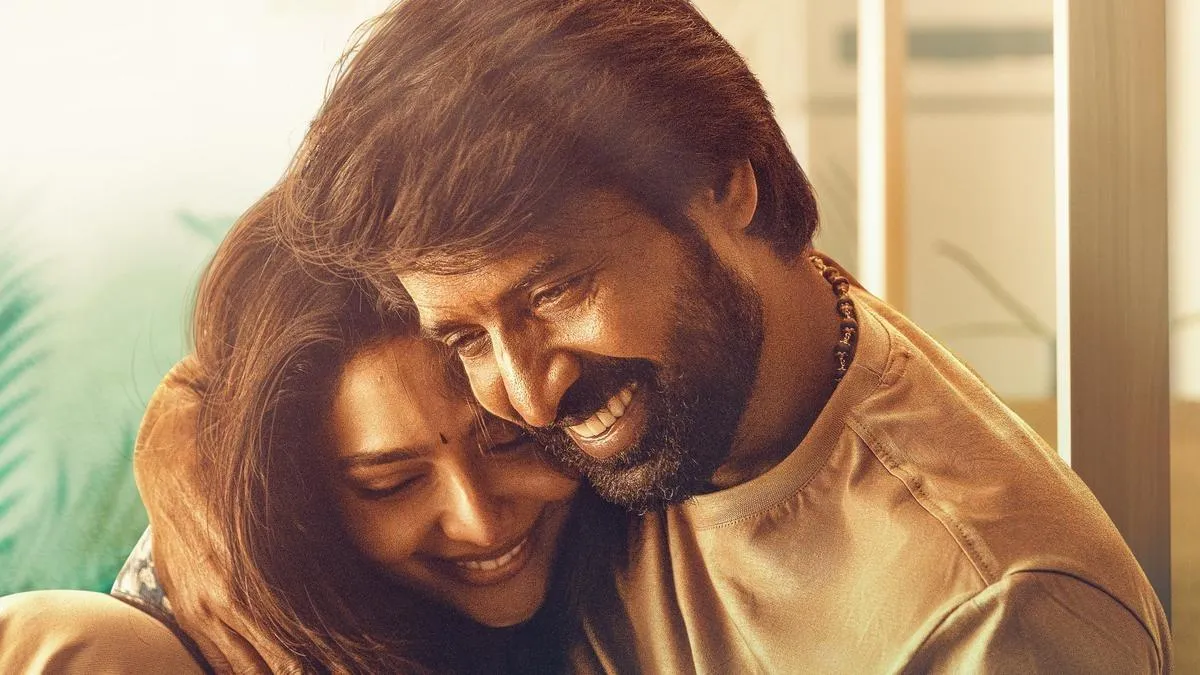 Explore the upcoming Tamil film Maaman - cast, sto...
 -
 Read the ACE (2025) movie review starring Vijay Se...
 -
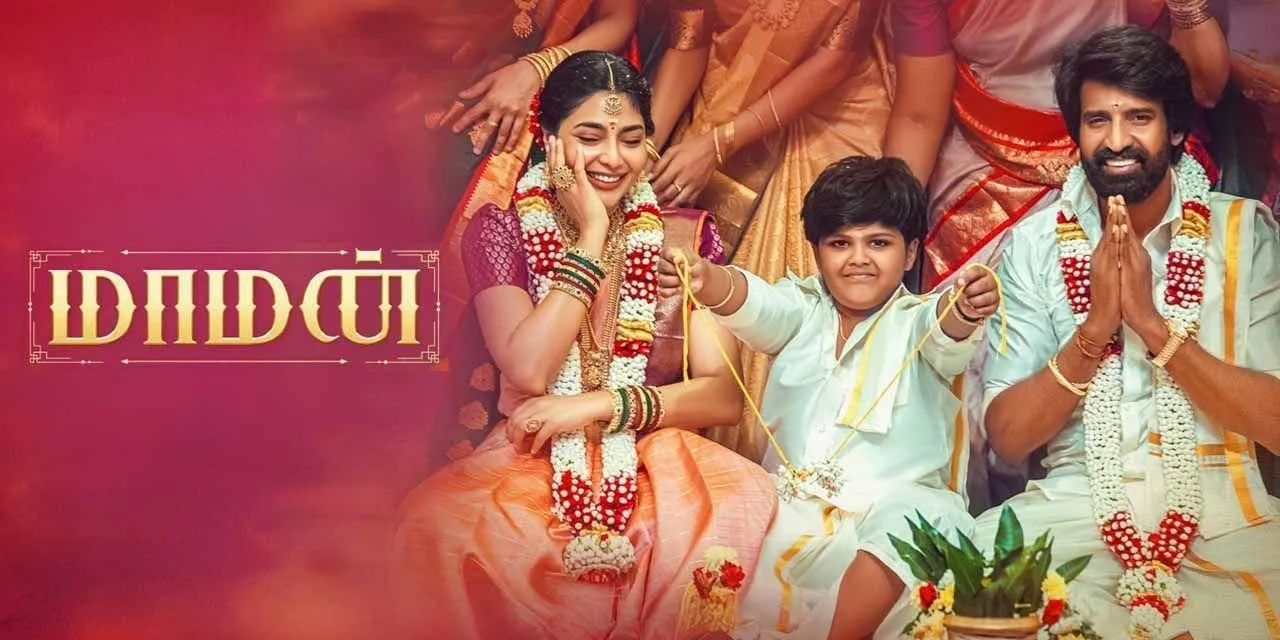 Check out Maaman's 1st day box office collection a...
 -
 Explore tourist family reviews for Maaman movie –...
Popular Posts
Vote / Poll
Recent Posts



Recommended Posts

-
 Discover the best schools in Nagercoil f...
 -
 Discover the top-rated preschools in Nag...
 -
 Explore the best schools in Nagercoil th...

Comment / Reply From