Harvinder Singh: The Voyage of an Indian Quick Bowler

Harvinder Singh: The Voyage of an Indian Quick Bowler
Indian cricket has produced many talented fast bowlers who supported the national team during different phases of the sport. One such cricketer is Harvinder Singh, a right-arm fast-medium bowler who represented India in international cricket during the late 1990s and early 2000s. Although his international career was relatively short, Harvinder played a valuable role as a dependable seam bowler when India was searching for reliable pace options.
Born in Amritsar, Punjab, Harvinder's journey from domestic cricket to the Indian national team reflects dedication, perseverance, and the competitive nature of professional cricket. His story represents the determination required to succeed in one of the most competitive cricketing environments in the world. This article explores his early life, domestic rise, international career, playing style, and lasting connection to Indian cricket.
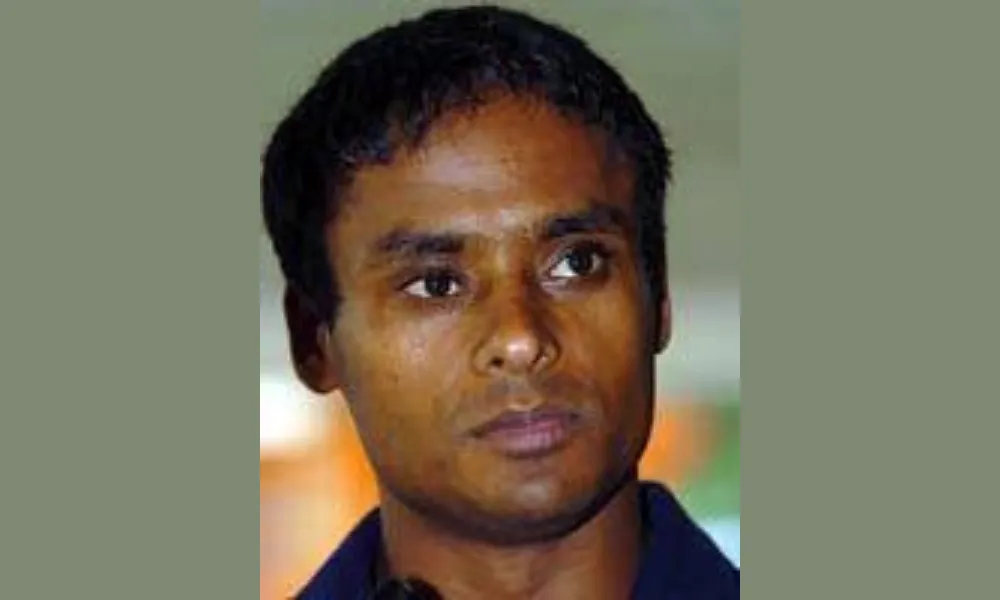
Youthful Days and Cricketing Origins
Harvinder Singh was born on 23 December 1977 in Amritsar, Punjab, India. Growing up in a region deeply passionate about cricket, he developed a fascination with the sport at a very young age. Like many aspiring cricketers in India, Harvinder began playing cricket in school tournaments and local competitions, slowly improving his bowling technique through practice and experience.
His natural ability to generate pace combined with disciplined control over line and length quickly made him stand out among young bowlers. Coaches and selectors soon noticed his potential, and he progressed through various levels of age-group cricket. Punjab's strong cricketing structure provided him with opportunities to sharpen his skills and compete against quality opposition.
Ascent Through Domestic Cricket
Harvinder Singh's reputation was largely built in India's domestic cricket circuit. He represented teams such as Punjab and later Railways, performing consistently in first-class tournaments including the Ranji Trophy. His steady performances established him as a hardworking and reliable seam bowler.
Over the course of his domestic career, Harvinder played more than one hundred first-class matches and claimed close to three hundred wickets. His best bowling performance included a remarkable seven-wicket haul in a single innings, highlighting his ability to dominate opposition batting lineups.
These statistics reflected his stamina and consistency, two qualities essential for success in multi-day cricket. His ability to bowl long spells with discipline eventually caught the attention of national selectors, paving the way for his entry into the Indian squad.
International Debut and Career Highlights
Harvinder Singh made his One Day International debut for India on 13 September 1997 against Pakistan during the Sahara Cup in Toronto. Making a debut against a strong Pakistani side was a challenging start, but it also marked the beginning of his journey in international cricket.
He later earned the opportunity to represent India in Test cricket. His Test debut came against Australia on 6 March 1998 in Chennai, a memorable milestone for any cricketer. Although his Test career consisted of only a few matches, playing in the longest format remains a proud achievement.
Between 1997 and 2001, Harvinder appeared in three Test matches and sixteen One Day Internationals. In ODIs he captured twenty-four wickets, including a best performance of three wickets for forty-four runs. These numbers demonstrated his capability as a useful bowler in limited-overs cricket.
Memorable Contributions
Even though his international career was not lengthy, Harvinder delivered several impressive performances. During the Sahara Cup series, where India frequently faced Pakistan, he showcased his ability to maintain tight lines and build pressure on opposition batsmen.
His strength lay in breaking important partnerships, particularly during the middle overs of limited-overs matches. Such contributions often played a significant role in controlling the flow of runs and creating opportunities for his team.
Bowling Style and Strengths
Harvinder Singh was known for his right-arm fast-medium bowling style that prioritized control and precision rather than extreme speed. He focused on maintaining a consistent line outside the off-stump, forcing batsmen to play cautiously and often leading them into mistakes.
Another key aspect of his bowling was subtle seam movement. Instead of relying on dramatic swing or sheer pace, Harvinder used small deviations off the pitch to trouble batsmen. His patience and ability to bowl extended spells made him particularly valuable in first-class cricket.
Challenges and Short International Career
Despite promising performances, Harvinder Singh's international career remained relatively brief. One reason was the intense competition among fast bowlers in the Indian team during that period. Selectors frequently experimented with different bowling combinations while searching for the most effective pace attack.
The early 2000s also witnessed the emergence of several new fast bowlers, which reduced opportunities for players with shorter international experience. Nevertheless, Harvinder continued to perform strongly in domestic cricket and maintained a reputation as a dependable professional.
Role After Retirement
After stepping away from professional cricket, Harvinder Singh remained closely connected to the sport. His experience and understanding of the game enabled him to contribute to cricket administration and talent development.
In 2020, he became one of the selectors for the Indian national cricket team. Through this role, he has been involved in identifying promising players and helping shape the future of Indian cricket.
Facebook Comments











-
 Explore the upcoming Tamil film Maaman - cast, sto...
 -
 Read the ACE (2025) movie review starring Vijay Se...
 -
 Check out Maaman's 1st day box office collection a...
 -
 Explore tourist family reviews for Maaman movie –...
Popular Posts
Vote / Poll
Recent Posts


Recommended Posts

-
 Discover the best schools in Nagercoil f...
 -
 Discover the top-rated preschools in Nag...
 -
 Explore the best schools in Nagercoil th...

Comment / Reply From