Ghulam Ahmed: The Elegant Off-Spinner Who Shaped Early Indian Cricket
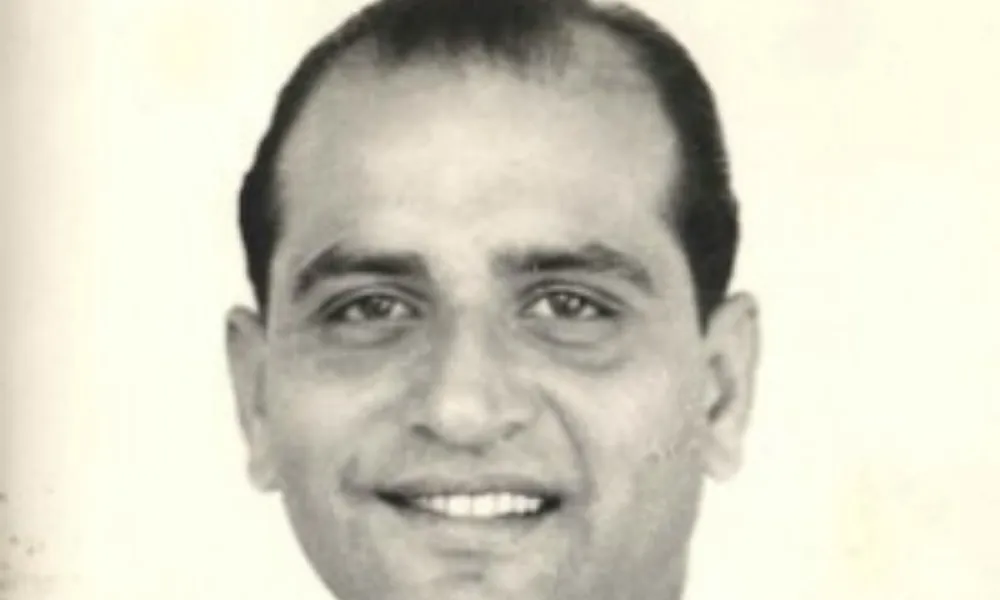
Ghulam Ahmed: The Elegant Off-Spinner Who Shaped Early Indian Cricket
Indian cricket has been shaped by several pioneering players who laid the foundation for the modern game. Among them stands Ghulam Ahmed, a gifted off-spin bowler and respected cricket administrator whose influence extended far beyond the boundary ropes. Known for his intelligence, subtle variations, and disciplined bowling, Ahmed was a key figure in Indian cricket during the late 1940s and 1950s. His contributions to the sport -both on and off the field -helped nurture Indian cricket during its formative years as a competitive international team.
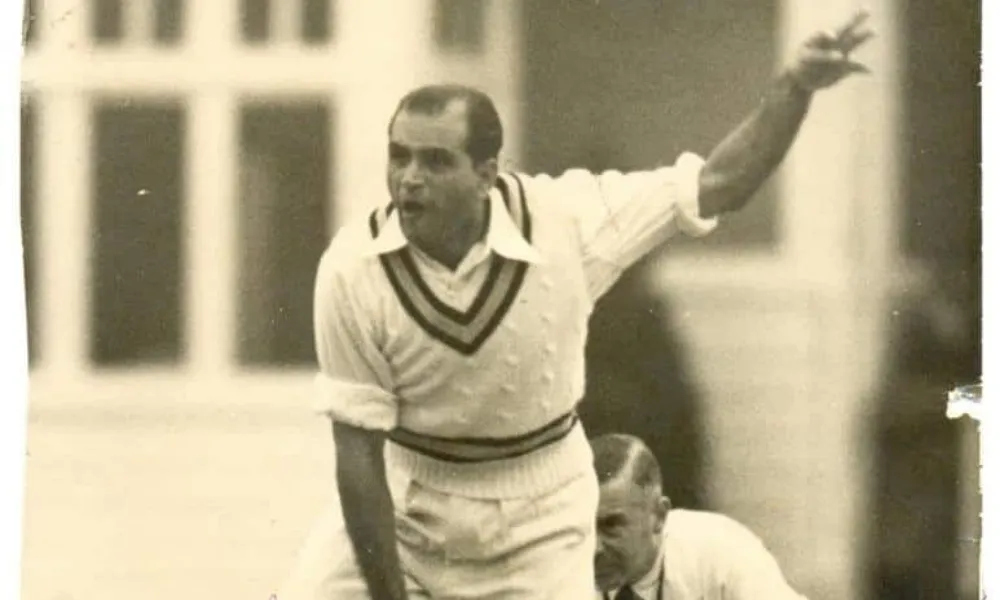
Early Life and Background
Ghulam Ahmed was born on July 4, 1922, in Hyderabad, then part of the Hyderabad State under British India. Growing up in a city with a strong cricket culture, he developed an early passion for the game. Ahmed studied at Madrassa-e-Aliya, a prestigious institution established during the Nizam era, where many young aristocrats and sports enthusiasts received their education. It was during these formative years that he began refining his cricketing abilities and developed a particular affinity for spin bowling.
His natural talent and dedication soon earned him recognition in local cricket circles. Hyderabad, with its competitive domestic structure, provided the perfect platform for Ahmed to grow as a cricketer. His performances in regional competitions eventually opened the doors to first-class cricket.
Rise Through Domestic Cricket
Ghulam Ahmed's domestic cricket journey began with the Hyderabad team in the Ranji Trophy during the 1939-40 season. Over the next two decades, he became one of the most reliable bowlers in the Indian domestic circuit. His ability to control the pace of the game and extract subtle turn from the pitch made him a constant threat to opposing batsmen.
In his first-class career, Ahmed played 98 matches and took an impressive 407 wickets at an average of around 22.57. He also produced 32 five-wicket hauls and nine ten-wicket match performances. These remarkable figures demonstrated his consistency and dominance in domestic cricket during his era.
One of his most remarkable domestic performances came in the Ranji Trophy match against Madras in 1947-48, where he recorded spectacular figures of 5 for 28 and 9 for 53 in the same match. Such performances established him as one of the most formidable spin bowlers in Indian domestic cricket.
International Career with India
Ahmed made his Test debut for India against the West Indies at Kolkata on December 31, 1948. Over the next decade, he played 22 Test matches for the Indian national team and became a key component of the bowling attack. His off-spin bowling was characterized by clever flight, precise control, and the ability to deceive batsmen with subtle variations.
In Test cricket, Ghulam Ahmed took 68 wickets at an average of about 30.17. His best bowling figures in an innings were 7 for 49 against Australia in Kolkata during the 1956-57 series, one of the standout performances of his international career.
Another memorable moment came during the historic India-Pakistan Test series in 1952-53, the first series between the two neighboring nations. In one of the matches, Ahmed not only took five wickets but also scored a remarkable half-century while batting at number eleven, sharing a 109-run last-wicket partnership with Hemu Adhikari. This rare feat highlighted his determination and versatility as a cricketer.
Playing Style and Strengths
Ghulam Ahmed was widely admired for his elegant and intelligent bowling style. As a right-arm off-break bowler, he relied more on guile than sheer spin. His strengths included precise line and length, clever variations in flight, and a keen understanding of batsmen's weaknesses.
Unlike many aggressive spinners who relied solely on sharp turn, Ahmed excelled in controlling the tempo of the game. His bowling was often described as subtle yet highly effective, making him a valuable asset on both flat and turning pitches. While primarily known for his bowling, he was also capable of contributing useful runs as a lower-order batsman.
Leadership and Contributions to the Team
During his international career, Ghulam Ahmed also had the opportunity to lead the Indian team. He captained India in a few Test matches, including a series against the West Indies in 1958-59. Although the results were challenging for the team, his calm leadership and tactical understanding of the game earned him respect from teammates and opponents alike.
Beyond his captaincy, Ahmed played an important role in strengthening India's spin bowling tradition, which later produced legendary bowlers such as Bishan Singh Bedi, Erapalli Prasanna, and Srinivas Venkataraghavan.
Life After Retirement
After retiring from active cricket, Ghulam Ahmed continued to serve the game in various administrative roles. He later became the secretary of the Board of Control for Cricket in India (BCCI), contributing significantly to the governance and development of Indian cricket.
In addition to his administrative contributions, Ahmed was also involved in educational initiatives. He helped establish the Sultan-ul-Uloom Education Society in Hyderabad, reflecting his commitment to social development and community service.
Legacy and Lasting Impact
Ghulam Ahmed passed away on October 28, 1998, leaving behind a legacy that continues to be remembered in Indian cricket history. He was part of the early generation of cricketers who represented India during a crucial period of development in the sport.
His achievements as a skilled off-spinner, dependable team player, and respected administrator helped shape the growth of cricket in India. For many cricket enthusiasts, Ahmed symbolizes the elegance and discipline that defined early Indian cricket. His story serves as a reminder of the pioneers who laid the foundation for the success and global recognition that Indian cricket enjoys today.
Facebook Comments














-
 Explore the upcoming Tamil film Maaman - cast, sto...
 -
 Read the ACE (2025) movie review starring Vijay Se...
 -
 Check out Maaman's 1st day box office collection a...
 -
 Explore tourist family reviews for Maaman movie –...
Popular Posts
Vote / Poll
Recent Posts



Recommended Posts

-
 Discover the best schools in Nagercoil f...
 -
 Discover the top-rated preschools in Nag...
 -
 Explore the best schools in Nagercoil th...

Comment / Reply From