The Evolution of Table Tennis: From Parlor Game to Olympic Sport
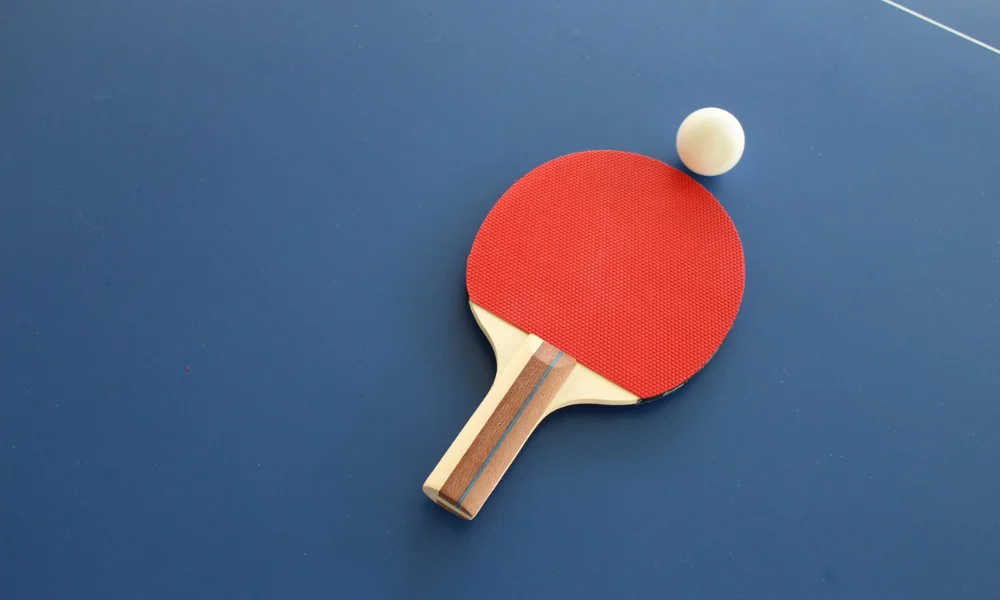
The Evolution of Table Tennis: From Parlor Game to Olympic Sport
Table tennis has transformed dramatically over the past century, evolving from a casual indoor pastime into one of the most competitive and widely played sports in the world. Today, the sport commands global attention with international tournaments, Olympic recognition, and millions of professional and recreational players. This remarkable journey from a Victorian parlor game to a globally celebrated Olympic discipline highlights how innovation, standardization, and international cooperation shaped the sport. Recent discussions among sports historians and analysts continue to highlight the fascinating development of table tennis, emphasizing its role in global sports culture and competitive athletics.
The modern game is known for its lightning speed, tactical depth, and intense rallies that demand exceptional reflexes and strategic thinking. Professional players train for years to master spin control, placement accuracy, and rapid movement. However, the roots of the sport were far simpler. The early versions of table tennis required minimal equipment and were played mainly for entertainment rather than competition. Over time, the game expanded across continents, gradually forming official rules, international tournaments, and a professional ecosystem that continues to grow in popularity.
Early Beginnings: The Parlor Game Era
The earliest form of table tennis dates back to the late nineteenth century in England. During this time, the sport was played primarily among the upper class as an indoor alternative to lawn tennis. British households often hosted after dinner gatherings where guests would improvise games using everyday items. These early versions of the sport featured books stacked to form a net, champagne corks or rubber balls as the playing ball, and cigar box lids used as makeshift paddles.
Several different names were used to describe the game during its early years. Some players referred to it as Ping Pong, while others called it Whiff Waff or indoor tennis. These playful names reflected the casual and experimental nature of the sport at the time. The distinctive sound produced when the ball struck the paddle and bounced on the table inspired the name Ping Pong, which later became widely recognized around the world.
In the early 1900s, sporting equipment manufacturers began producing official versions of the game. Commercial kits included wooden paddles, lightweight balls, and portable nets that could be placed on dining tables. These developments helped introduce table tennis to a broader audience, allowing it to spread beyond elite social circles into clubs and recreational centers. As more players adopted the game, interest in organized competitions began to grow.
Standardization and Growth in the Early 20th Century
As table tennis continued gaining popularity across Europe and other regions, the need for standardized rules became increasingly clear. Informal matches often used different scoring systems and table dimensions, which made competitive play difficult. Recognizing this challenge, sports administrators and enthusiasts began working toward creating an organized structure for the sport.
A significant milestone occurred in 1926 when the International Table Tennis Federation was established. This organization introduced official rules and organized the first World Table Tennis Championships in London. The creation of a global governing body marked a turning point in the history of the sport. Standardized equipment specifications were introduced, including specific measurements for the table, the height of the net, and the size of the ball.
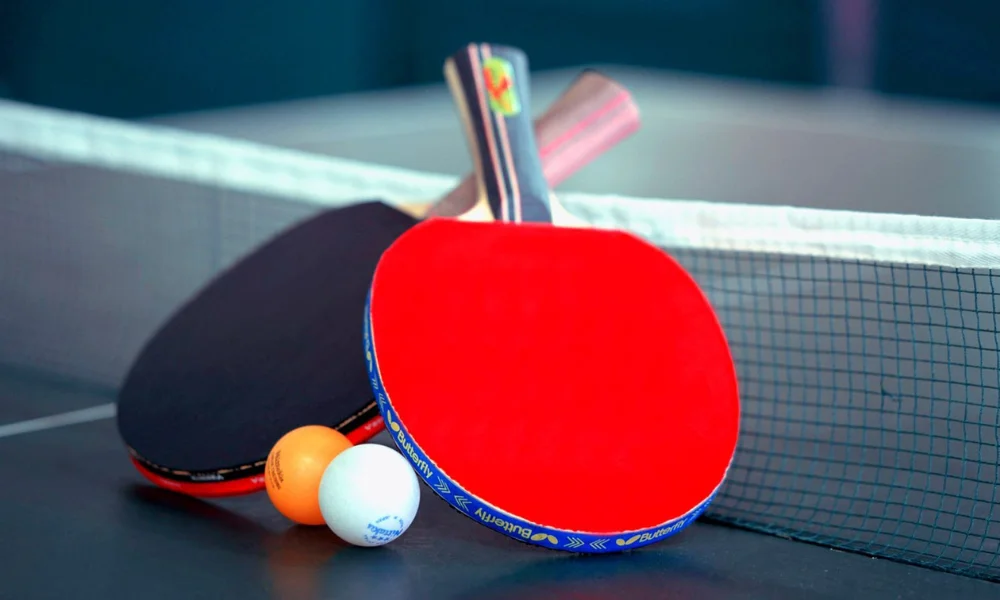
During this period, rackets also evolved significantly. Early paddles were simple wooden boards with minimal grip and limited control. As technology advanced, manufacturers began experimenting with rubber surfaces that improved spin and speed. This innovation dramatically changed how the game was played. Players could now apply topspin, backspin, and sidespin, making rallies more dynamic and technically challenging.
The Road to Global Recognition
By the mid twentieth century, table tennis had spread far beyond its British origins. Countries across Europe, Asia, and North America embraced the sport, leading to a surge in international competitions and professional training programs. Nations such as Hungary initially dominated early world championships, producing legendary players who shaped the competitive landscape of the sport.
Later, Asian countries emerged as the leading forces in table tennis. Japan introduced faster playing techniques and innovative training methods, while China eventually became the most dominant nation in the sport. Chinese players revolutionized table tennis through disciplined coaching systems, technical mastery, and relentless practice routines that set new performance standards.
One of the most memorable moments in table tennis history occurred in 1971 during the historic diplomatic exchange between China and the United States. Often described as Ping Pong diplomacy, the event demonstrated how sport could bridge political divides and strengthen international relations. This episode elevated the visibility of table tennis worldwide and reinforced its status as a sport capable of connecting cultures.
Olympic Inclusion and Global Impact
Table tennis reached one of its most significant milestones in 1988 when it was officially included in the Summer Olympic Games held in Seoul, South Korea. This historic decision marked the sport's full recognition as a major international athletic discipline. The Olympic debut featured singles and doubles events for both men and women, attracting global attention from sports fans and media organizations.
The Olympic platform immediately boosted the sport's popularity and credibility. National federations invested more resources into player development, coaching programs, and international competition preparation. Countries such as China, South Korea, Sweden, and Japan emerged as leading contenders in Olympic table tennis, producing athletes who became global sports icons.
Olympic participation also encouraged the sport to evolve further. Event formats were refined, and doubles competitions were eventually replaced with team events to enhance strategic gameplay and collaboration. The Olympic stage continues to serve as one of the most prestigious arenas for table tennis players seeking international recognition and national pride.
The Modern Game and Technological Advancements
The modern era of table tennis is defined by advanced equipment technology, scientific training techniques, and high level professional competition. Rackets now feature layered rubber and sponge materials designed to maximize spin, speed, and control. These innovations allow players to generate incredible ball rotation and execute powerful attacking shots during intense rallies.
Another important development was the introduction of the larger forty millimeter ball and later the plastic forty plus ball. These changes were implemented to make the sport more spectator friendly by slightly slowing down gameplay and improving visibility for television audiences. As a result, rallies became longer and more dramatic, adding excitement for viewers and analysts following the latest developments in professional competitions.
Professional training programs now incorporate advanced sports science, video analysis, and tactical planning. Players work with specialized coaches to refine footwork, reaction speed, and shot placement. International leagues and tournament circuits have expanded significantly, providing opportunities for athletes to compete regularly at elite levels. These developments continue to drive the sport forward and maintain its reputation as one of the fastest racket sports in the world.
Major Table Tennis Tournaments in the Modern Era
Several prestigious tournaments define the global table tennis calendar today. These events bring together the best players from around the world and highlight the highest level of competition in the sport. Sports analysts frequently monitor these tournaments to track rankings, emerging talents, and the latest developments shaping international table tennis.
1. Olympic Games - The most prestigious event where the world's top athletes compete for Olympic medals and international recognition.
2. World Table Tennis Championships - One of the oldest and most respected competitions featuring singles, doubles, and team events.
3. World Cup - An elite tournament featuring top ranked players from around the globe competing in high level singles matches.
4. World Table Tennis Grand Smash and Champions Events - Modern professional tournaments that attract the best international players and deliver intense matches.
5. Continental Championships - Major regional competitions held across Asia, Europe, and other regions that showcase emerging talent and competitive rivalries.
Facebook Comments














-
 Explore the upcoming Tamil film Maaman - cast, sto...
 -
 Read the ACE (2025) movie review starring Vijay Se...
 -
 Check out Maaman's 1st day box office collection a...
 -
 Explore tourist family reviews for Maaman movie –...
Popular Posts
Vote / Poll
Recent Posts




Recommended Posts

-
 Discover the best schools in Nagercoil f...
 -
 Discover the top-rated preschools in Nag...
 -
 Explore the best schools in Nagercoil th...

Comment / Reply From