Cottari-Subbanna Nayudu: The Forgotten Pioneer of Early Indian Cricket
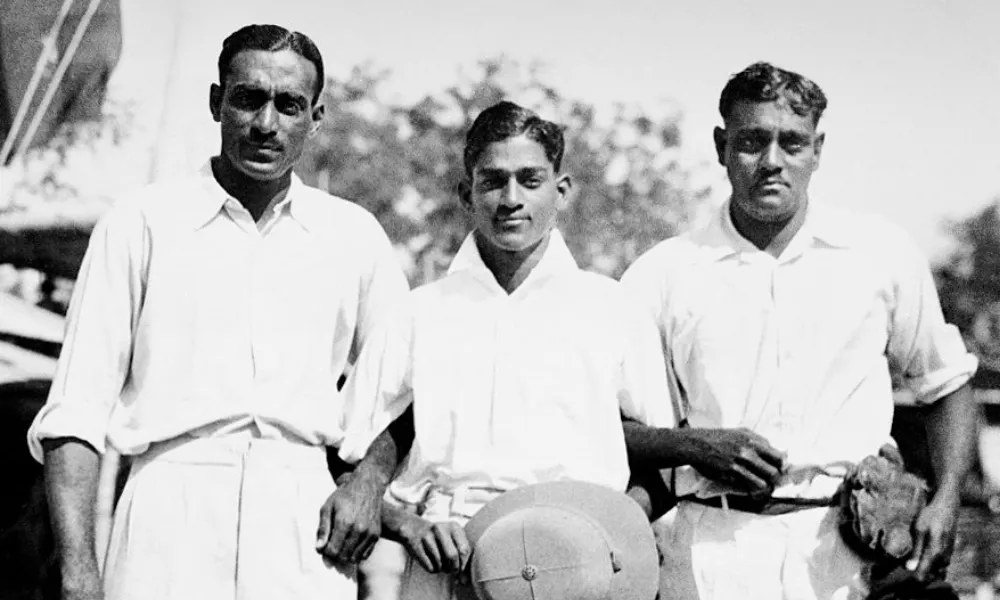
Cottari-Subbanna Nayudu: The Forgotten Pioneer of Early Indian Cricket
Long before India became a global cricketing powerhouse, the foundations of the sport in the country were laid by a small group of pioneering players who competed during the pre-Test era. Among them was Cottari-Subbanna Nayudu, one of the earliest first-class cricketers from southern India. Though his name is not as widely remembered today as many modern stars, Nayudu played an important role in shaping early Indian cricket during a period when the game was still developing under colonial influence.
Known for his disciplined batting and steady all-round abilities, Nayudu represented the Madras Presidency and other regional teams during the late nineteenth and early twentieth centuries. His career coincided with a crucial stage in Indian cricket history, when local players were striving to establish their presence in a sport largely dominated by British administrators and European clubs. Through determination, talent, and perseverance, Cottari-Subbanna Nayudu became one of the notable Indian figures who helped bridge that divide.
Early Life and Background
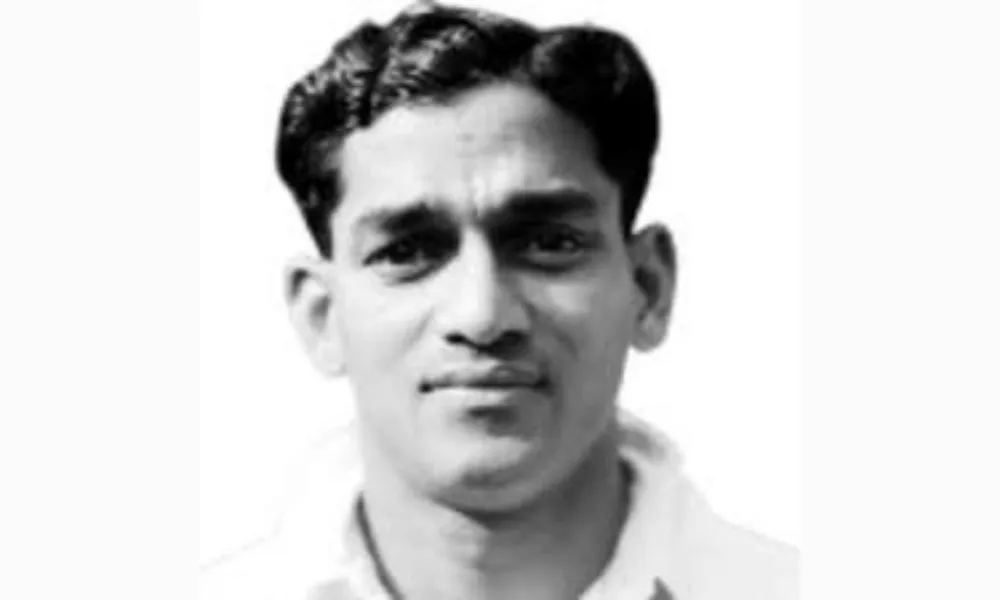
Cottari-Subbanna Nayudu was born in the Madras Presidency during the late nineteenth century, a time when cricket was gradually spreading across India through British colonial institutions such as military clubs, colleges, and administrative centers. While the game initially remained restricted to Europeans and elite communities, talented Indian players soon began to make their presence felt on the field.
Growing up in southern India, Nayudu developed a passion for cricket at a young age. Local clubs and community matches provided opportunities for aspiring players to showcase their skills. These grassroots contests were often highly competitive and served as a training ground for many early cricketers. It was in this environment that Nayudu began to refine his batting technique and bowling control.
His performances in regional competitions soon drew attention from cricket organizers and selectors. As cricket clubs in Madras became more organized, Nayudu emerged as one of the promising Indian players capable of competing with experienced European cricketers.
Cricketing Origins and Entry into First-Class Cricket
During the early years of Indian cricket, opportunities for Indians to compete at high levels were limited. Matches were often organized between European teams and local Indian sides, and gaining recognition required exceptional performance. Cottari-Subbanna Nayudu managed to rise through these challenges and establish himself as a respected cricketer in the Madras region.
His entry into first-class cricket marked a significant step not only for his own career but also for Indian representation in the sport. Representing regional teams connected with the Madras Presidency, Nayudu participated in competitive matches that formed part of the early structure of Indian first-class cricket. These games were crucial in developing the sport's competitive culture in the country.
Though records from that era are not always complete, historical accounts indicate that Nayudu played several important matches against touring sides and strong regional opponents. His ability to perform under pressure earned him respect among teammates and rivals alike.
Playing Style and On-Field Strengths
Cottari-Subbanna Nayudu was known primarily as a dependable batsman. His technique reflected the traditional style of the era, emphasizing patience, strong defensive strokes, and careful shot selection. On pitches that were often unpredictable and poorly prepared by modern standards, such discipline was essential for survival at the crease.
In addition to his batting ability, Nayudu was also capable of contributing with the ball when required. Players of that era were often expected to be versatile, and he demonstrated the qualities of a reliable all-round cricketer. His fielding was also considered sharp, reflecting the athleticism required in early cricket competitions.
While detailed statistical records from the period remain limited, contemporary cricket writings describe Nayudu as a steady performer who could anchor innings and provide stability to his team's batting lineup. Such qualities made him a valuable asset in the competitive matches played across southern India.
Role in the Development of Early Indian Cricket
The period during which Nayudu played cricket was crucial for the sport's expansion in India. Organized tournaments and structured domestic competitions were only beginning to take shape. Players like Nayudu helped demonstrate that Indian cricketers could compete at a high level and deserved greater representation in the sport.
His participation in first-class matches contributed to the growing confidence of Indian teams. As more Indian players began to prove their abilities on the field, the demand for equal opportunities in cricket increased. These developments eventually led to the establishment of more formal domestic competitions and paved the way for India's eventual entry into Test cricket in 1932.
In this historical context, Nayudu's career represents an important chapter in the journey of Indian cricket. His performances and presence in competitive matches helped strengthen the credibility of Indian players during a time when recognition was hard to achieve.
Legacy and Historical Significance
Although Cottari-Subbanna Nayudu's name may not appear frequently in modern cricket discussions, his role as an early Indian first-class cricketer holds lasting historical importance. He belonged to a generation of players who helped establish the foundations of organized cricket in India long before the era of international fame and professional leagues.
His achievements serve as a reminder of the diverse and often overlooked pioneers who contributed to the growth of the sport. As one of the early dark-skinned Indian cricketers competing in a colonial environment, Nayudu symbolized the breaking of social and racial barriers within the game. His presence on the field reflected the gradual shift toward a more inclusive and representative cricketing culture in India.
Conclusion: Remembering a Pioneer of the Game
The history of Indian cricket is filled with legendary names, but it is equally shaped by the contributions of early pioneers who played the game during its formative years. Cottari-Subbanna Nayudu stands among those important figures whose dedication helped lay the groundwork for future generations of cricketers.
By competing in first-class cricket during the pre-Test era, demonstrating skill and resilience, and representing Indian talent at a time of limited opportunity, Nayudu played a meaningful role in the sport's early development. His story reflects the determination of Indian players who helped transform cricket from a colonial pastime into a national passion. Remembering figures like Cottari-Subbanna Nayudu ensures that the full history of Indian cricket - including its earliest trailblazers - continues to be honored and appreciated.
Facebook Comments












-
 Explore the upcoming Tamil film Maaman - cast, sto...
 -
 Read the ACE (2025) movie review starring Vijay Se...
 -
 Check out Maaman's 1st day box office collection a...
 -
 Explore tourist family reviews for Maaman movie –...
Popular Posts
Vote / Poll
Recent Posts



Recommended Posts

-
 Discover the best schools in Nagercoil f...
 -
 Discover the top-rated preschools in Nag...
 -
 Explore the best schools in Nagercoil th...

Comment / Reply From