Coimbatarao Doraikannu Gopinath: The Elegant Pioneer of Early Indian Cricket
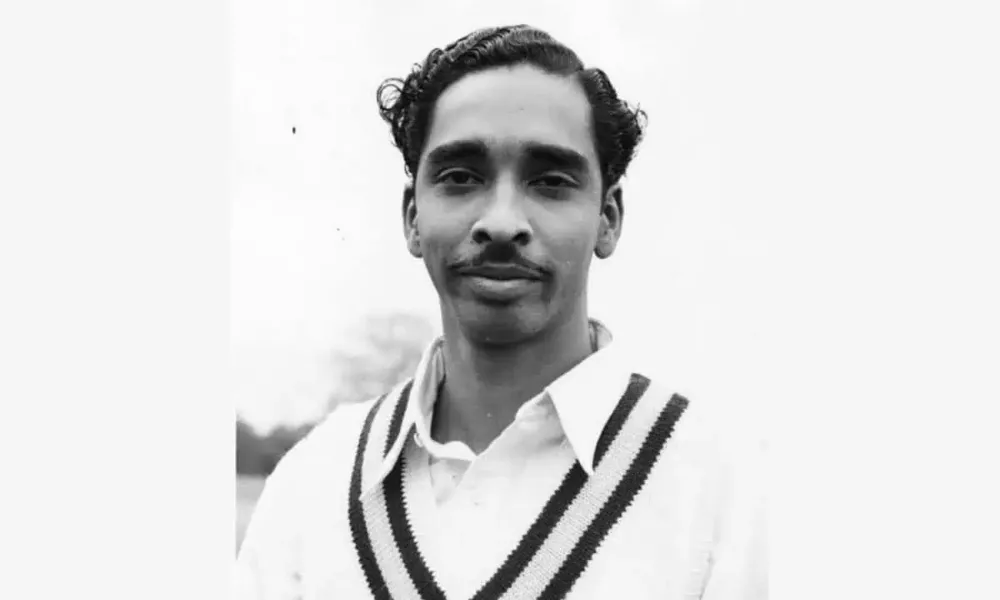
Coimbatarao Doraikannu Gopinath: The Elegant Pioneer of Early Indian Cricket
Indian cricket's rise to global prominence is built on the contributions of several pioneering players who represented the nation during its formative years in international cricket. One such respected figure is Coimbatarao Doraikannu Gopinath, commonly known as C. D. Gopinath. Born on March 1, 1930, in Madras (now Chennai), Gopinath was an elegant right-handed batsman who represented India in Test cricket during the 1950s and played a vital role in strengthening domestic cricket in southern India.
Although his international career consisted of only a handful of matches, his influence on Indian cricket extended far beyond statistics. Through his performances in domestic competitions, leadership roles, and later administrative contributions, Gopinath became a respected figure in the sport's history. His graceful batting technique, calm demeanor, and dedication to the game earned admiration from teammates, selectors, and cricket fans alike.
Early Life and Educational Background
Coimbatarao Doraikannu Gopinath was born in Madras during the British colonial era, a time when cricket was gradually becoming popular across India. The sport was heavily influenced by British institutions, and educational establishments played a crucial role in nurturing young talent.
Gopinath studied at the prestigious Madras Christian College, an institution known for encouraging sports alongside academics. It was during these formative years that his cricketing ability began to flourish. His natural batting skills and disciplined approach helped him stand out among his peers and paved the way for his entry into competitive cricket.
Domestic Cricket Career and Major Achievements
Gopinath made his first-class debut for the Madras cricket team during the 1949-50 season. Over the next decade, he developed into one of the most reliable batsmen in the domestic circuit. Playing primarily in the Ranji Trophy, India's premier domestic tournament, he became a key figure for the Madras side.
Across his first-class career, Gopinath played 83 matches and scored an impressive 4,259 runs at an average of 42.16. His record included nine centuries and twenty-three half-centuries, with a highest score of 234. These statistics demonstrate his consistency and ability to build substantial innings.
One of his most significant contributions came when Madras won its first Ranji Trophy title in the 1954-55 season. Gopinath played a crucial role in strengthening the team's batting order during that period and was later appointed captain of the Madras side for several seasons.
International Cricket Career with India
Gopinath's impressive domestic performances earned him a place in the Indian national team. He made his Test debut against England on December 14, 1951. Remarkably, in his very first Test match he scored an unbeaten 50 and followed it with 42 in the second innings while batting at number eight, demonstrating remarkable composure for a debutant.
He was also part of the historic Indian team that recorded the country's first Test victory during the same series. Although his international career was somewhat fragmented due to strong competition for middle-order positions, he continued to represent India intermittently until 1960.
In total, Gopinath played eight Test matches for India, scoring 242 runs at an average of 22.00 with one half-century. His highest Test score remained the unbeaten 50 from his debut match. He also contributed occasionally with the ball as a right-arm medium pacer, taking one wicket in Test cricket.
Playing Style and Unique Attributes
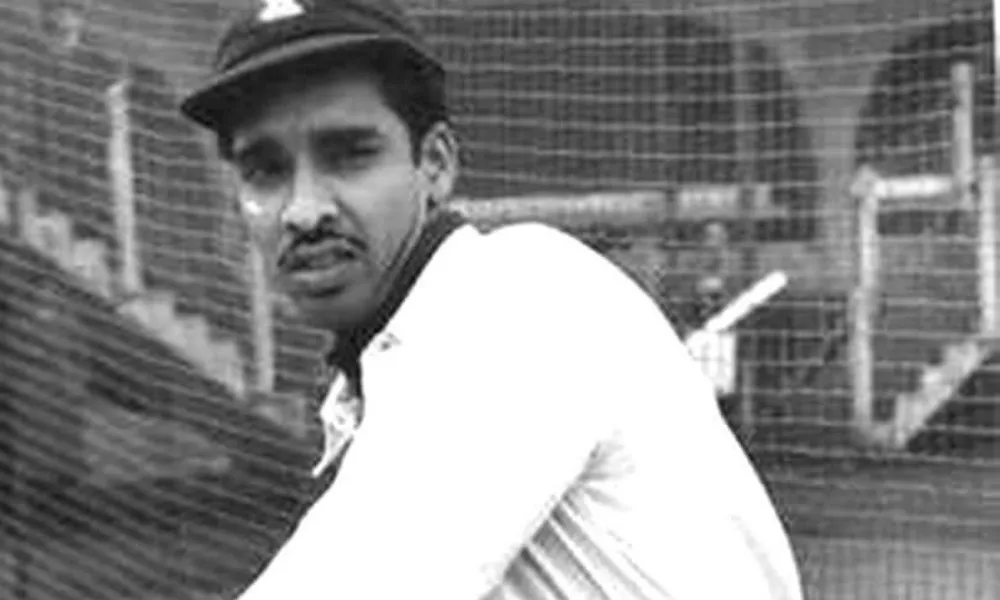
C. D. Gopinath was widely admired for his elegant batting style. Cricket observers of the time often described him as a cultivated stylist who relied on precise timing rather than brute force. His ability to play both fast bowling and spin with equal confidence made him a dependable middle-order batsman in domestic cricket.
His technique allowed him to accumulate runs steadily while maintaining composure under pressure. These qualities made him a respected figure in the dressing room and an important pillar of the Madras cricket team throughout the 1950s.
Contributions After Retirement
After retiring from competitive cricket in the early 1960s, Gopinath continued contributing to the sport through administrative roles. He served on the Indian national selection committee for nine consecutive years starting in the late 1960s and later became its chairman. His experience as a former player provided valuable insight into selecting and mentoring emerging cricketers.
In 1979, he also served as the manager of the Indian cricket team during its tour of England, further demonstrating his continued involvement with the sport at the highest level. Through these roles, Gopinath helped shape Indian cricket during a transitional period when the sport was evolving into a more organized professional system.
Legacy and Lasting Influence
C. D. Gopinath remains an important figure in the history of Indian cricket, particularly in Tamil Nadu's cricketing heritage. His performances for Madras, his role in India's early Test victories, and his contributions to cricket administration have ensured his place among the respected pioneers of the sport.
Over the years he has been recognized as one of the finest batsmen produced by Tamil Nadu during the mid-twentieth century. Even decades after his retirement, cricket historians and enthusiasts continue to remember his graceful batting and his commitment to nurturing the next generation of players.
Facebook Comments












-
 Explore the upcoming Tamil film Maaman - cast, sto...
 -
 Read the ACE (2025) movie review starring Vijay Se...
 -
 Check out Maaman's 1st day box office collection a...
 -
 Explore tourist family reviews for Maaman movie –...
Popular Posts
Vote / Poll
Recent Posts



Recommended Posts

-
 Discover the best schools in Nagercoil f...
 -
 Discover the top-rated preschools in Nag...
 -
 Explore the best schools in Nagercoil th...

Comment / Reply From