Latest Delimitation Update and Impact on Indian Democracy
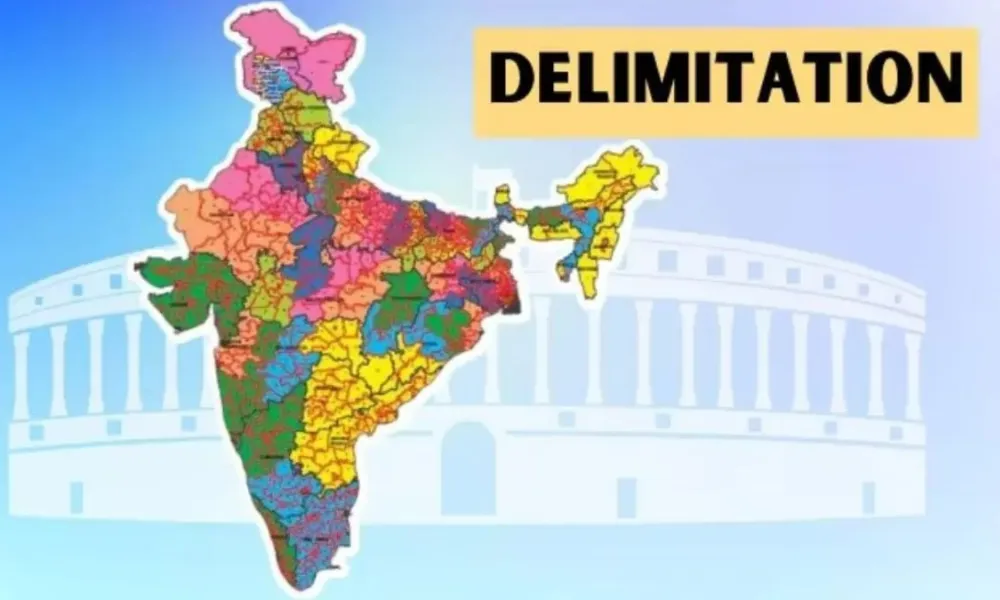
Latest Delimitation Update and Its Impact on Indian Democracy
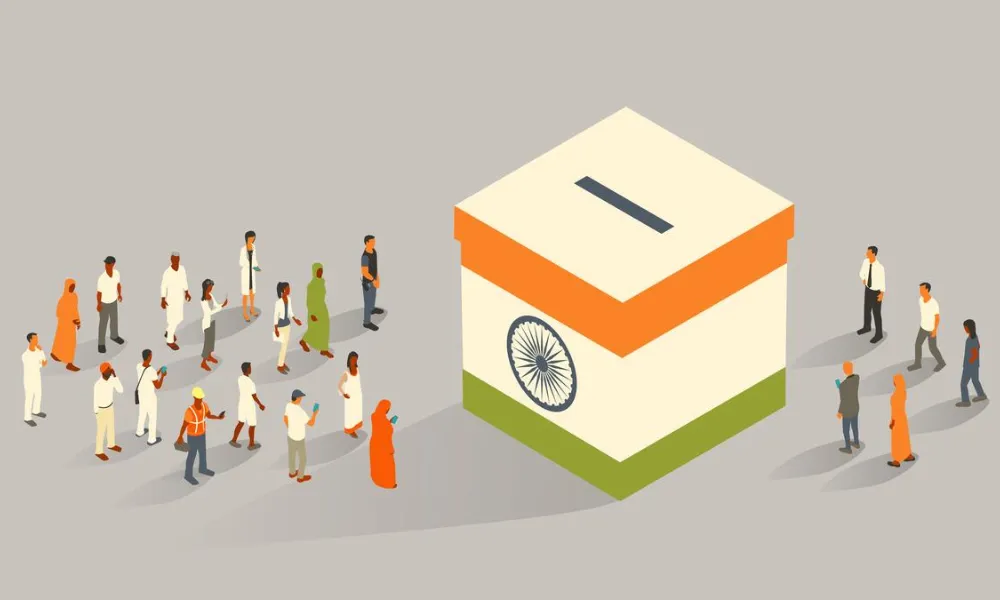
Delimitation in India has once again become a major topic of national discussion as the government moves forward with a proposal that could significantly reshape the country's political landscape. At its core, delimitation refers to the process of redrawing the boundaries of electoral constituencies based on population changes. While this process has taken place periodically in the past, the current proposal stands out because of its scale, timing, and connection to broader constitutional reforms. The latest development is not just a routine administrative exercise but a structural transformation that could influence elections, governance, and representation for decades to come.
The government has proposed increasing the total number of Lok Sabha seats from 543 to as many as 850. This move is being positioned as a necessary step to accommodate the long-awaited implementation of women's reservation in Parliament. Under the Nari Shakti Vandan Adhiniyam, 33 percent of seats are expected to be reserved for women, marking a historic shift toward gender inclusion in Indian politics. By expanding the number of seats rather than redistributing existing ones, the government aims to ensure that no current representation is reduced, addressing one of the key concerns associated with reservation policies.
Impact on Future Elections and Political Strategy
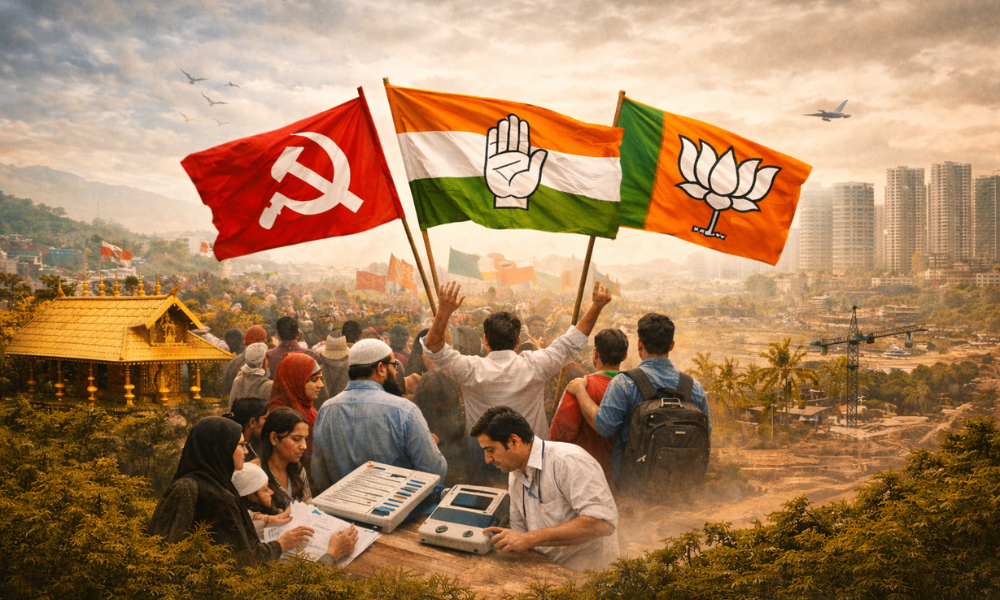
The changes in constituency boundaries are expected to significantly alter the way elections are conducted in India. With an increase in Lok Sabha seats and the introduction of reserved seats for women, political parties will need to rethink their entire strategy. Candidate selection will become more complex, as parties will have to balance experience, representation, and diversity. Campaign messaging is also likely to evolve, focusing more on inclusive development and regional priorities. As constituencies expand or shift, traditional voter bases may no longer remain stable, forcing parties to rebuild their outreach strategies from the ground up.
Another important factor is the uncertainty surrounding previously safe constituencies. Areas that were once considered strongholds for certain political parties may undergo significant changes due to new boundaries and population adjustments. This could lead to more competitive elections and reduce the predictability of electoral outcomes. Political organizations that adapt quickly by strengthening grassroots connections and engaging with diverse communities will likely have an advantage in this new electoral environment. The ability to respond to demographic changes and voter expectations will define success in upcoming elections.
Challenges in Implementation and Administrative Complexity
Although delimitation may appear to be a straightforward administrative process, its implementation is highly complex and requires extensive coordination. Redrawing constituency boundaries involves analyzing population data, geographic factors, and social demographics. It requires the involvement of multiple institutions, including the Delimitation Commission, government agencies, and electoral authorities. Ensuring that the process is transparent and fair is essential, as any perceived bias could lead to political disputes and legal challenges.
The expansion of the Lok Sabha itself presents additional challenges. Managing a larger legislative body will require improvements in infrastructure, including seating arrangements, technological systems, and administrative support. Parliamentary procedures may also need to be revised to ensure efficient functioning despite the increased number of members. These changes demand careful planning and investment, as the effectiveness of governance depends not only on representation but also on the ability to manage and coordinate decision-making processes efficiently.
A Turning Point for Inclusive Representation
Despite the debates and concerns surrounding delimitation, it also represents a significant opportunity to strengthen inclusivity in India's democratic system. The introduction of women's reservation is expected to bring more voices into the decision-making process, addressing a long-standing gap in political representation. Increased participation from women can lead to more balanced policies, improved governance, and a broader perspective on national issues. This shift has the potential to redefine political leadership in the country.
However, inclusivity goes beyond gender representation. There are ongoing discussions about ensuring fair representation for different social and regional groups. Concerns have been raised about whether the delimitation process will adequately reflect the diversity of India's population, including marginalized communities. Addressing these concerns will be crucial in building trust and ensuring that the reforms achieve their intended goals. A balanced approach that considers both demographic realities and social equity will be essential for long-term success.
The coming years will play a decisive role in determining the impact of these changes. As policies are implemented and new electoral maps take shape, India's democratic framework will undergo a period of adjustment. Whether this transformation leads to a more inclusive and effective system will depend on how well the process is managed and how different stakeholders engage with the changes. What is clear, however, is that delimitation is no longer just a technical exercise—it has become a central issue shaping the future of Indian democracy.
Facebook Comments









-
 Explore the upcoming Tamil film Maaman - cast, sto...
 -
 Read the ACE (2025) movie review starring Vijay Se...
 -
 Check out Maaman's 1st day box office collection a...
 -
 Explore tourist family reviews for Maaman movie –...
Popular Posts
Vote / Poll
Recent Posts




Recommended Posts

-
 Discover the best schools in Nagercoil f...
 -
 Discover the top-rated preschools in Nag...
 -
 Explore the best schools in Nagercoil th...

Comment / Reply From