Why Christmas Is Celebrated: Full History, Traditions, and Global Events

Why Christmas Is Celebrated Full History Traditions And Global Events
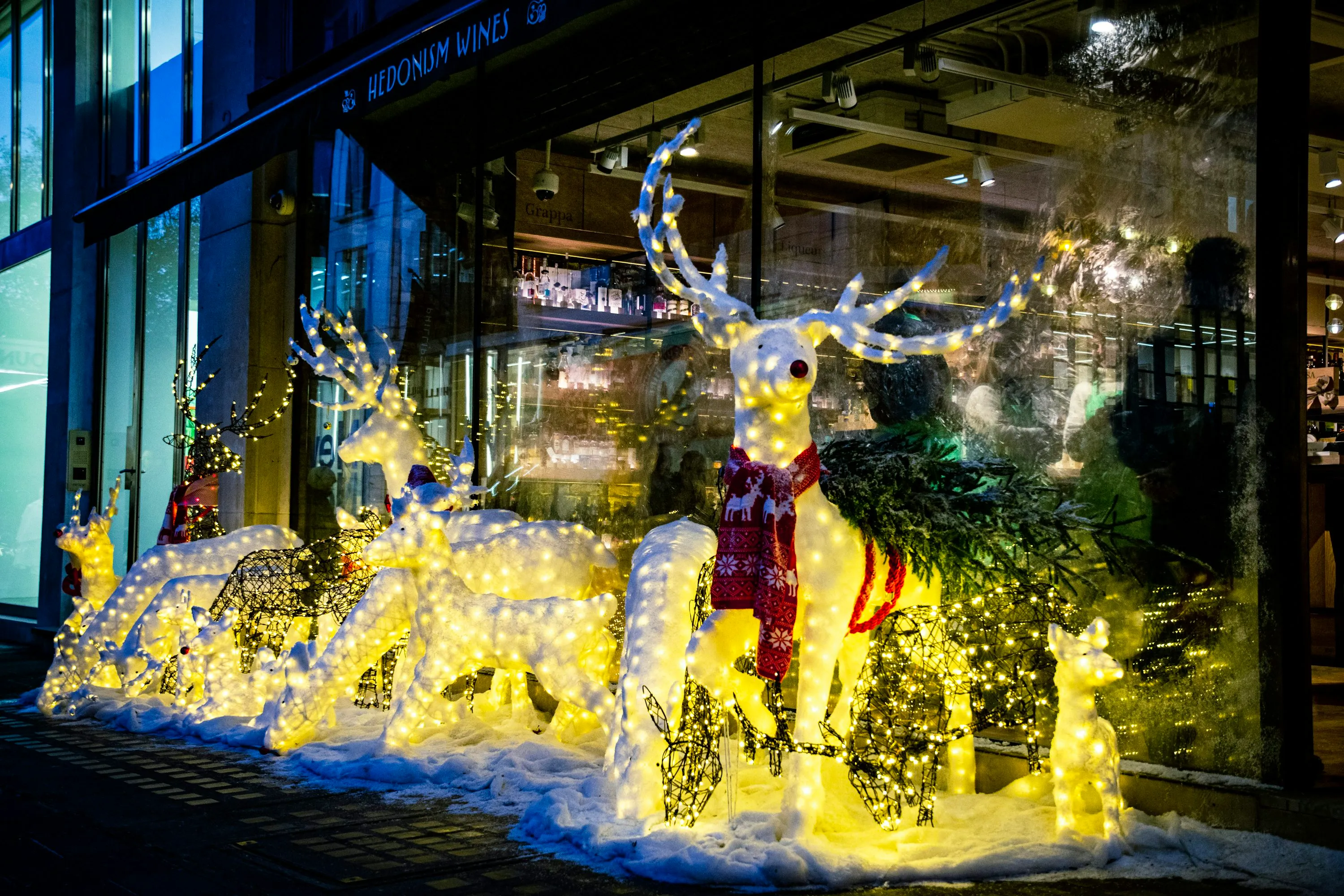
Christmas is one of the most widely celebrated festivals in the world, carrying deep religious, cultural, and emotional significance. Observed every year on December 25, Christmas commemorates the birth of Jesus Christ, whom Christians believe to be the Son of God and the Savior of humanity. The festival represents hope, renewal, and divine love, and it has shaped religious practices, art, music, and social traditions for more than two thousand years.
Over centuries, Christmas has grown beyond its strictly religious origins and has become a global cultural celebration. Today, it is marked by family gatherings, festive meals, decorations, music, and acts of generosity. People from many different faiths and backgrounds participate in Christmas traditions, embracing its universal themes of kindness, togetherness, and goodwill, making it one of the most inclusive and emotionally resonant celebrations in the world.
What Is Christmas
At its core, Christmas is a Christian festival that celebrates the arrival of Jesus Christ into the world. For believers, it marks the moment when God took human form to bring salvation and guidance to humanity. The story of Christ's birth emphasizes humility, simplicity, and divine purpose, values that remain central to the meaning of Christmas.
Beyond religion, Christmas has become a symbol of peace and human connection. In many societies, it is celebrated as a cultural holiday that focuses on sharing joy, strengthening relationships, and expressing gratitude. This blending of faith and culture has allowed Christmas to transcend religious boundaries and become a festival that unites people across nations and traditions.
Biblical Background Of Christmas
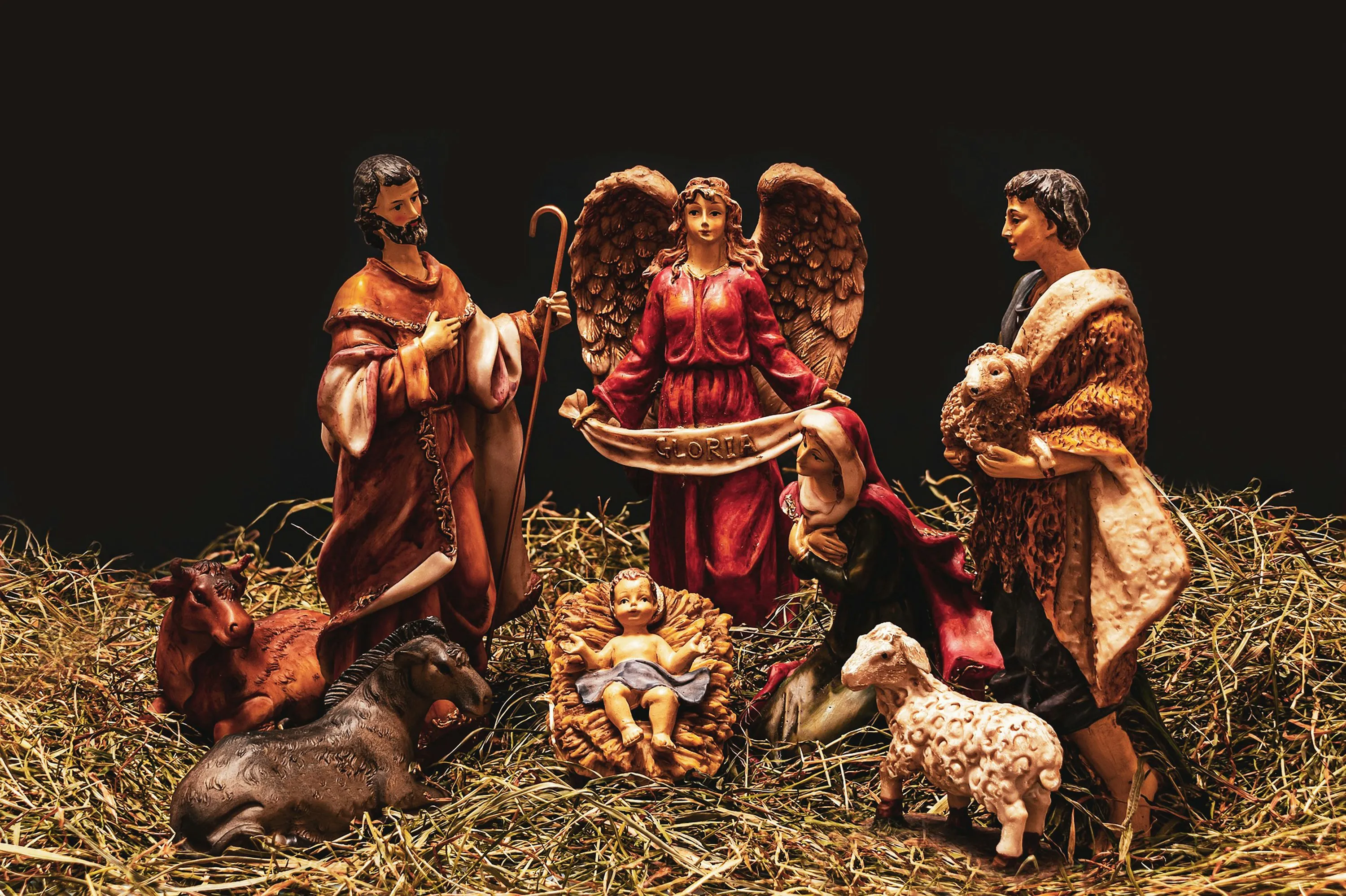
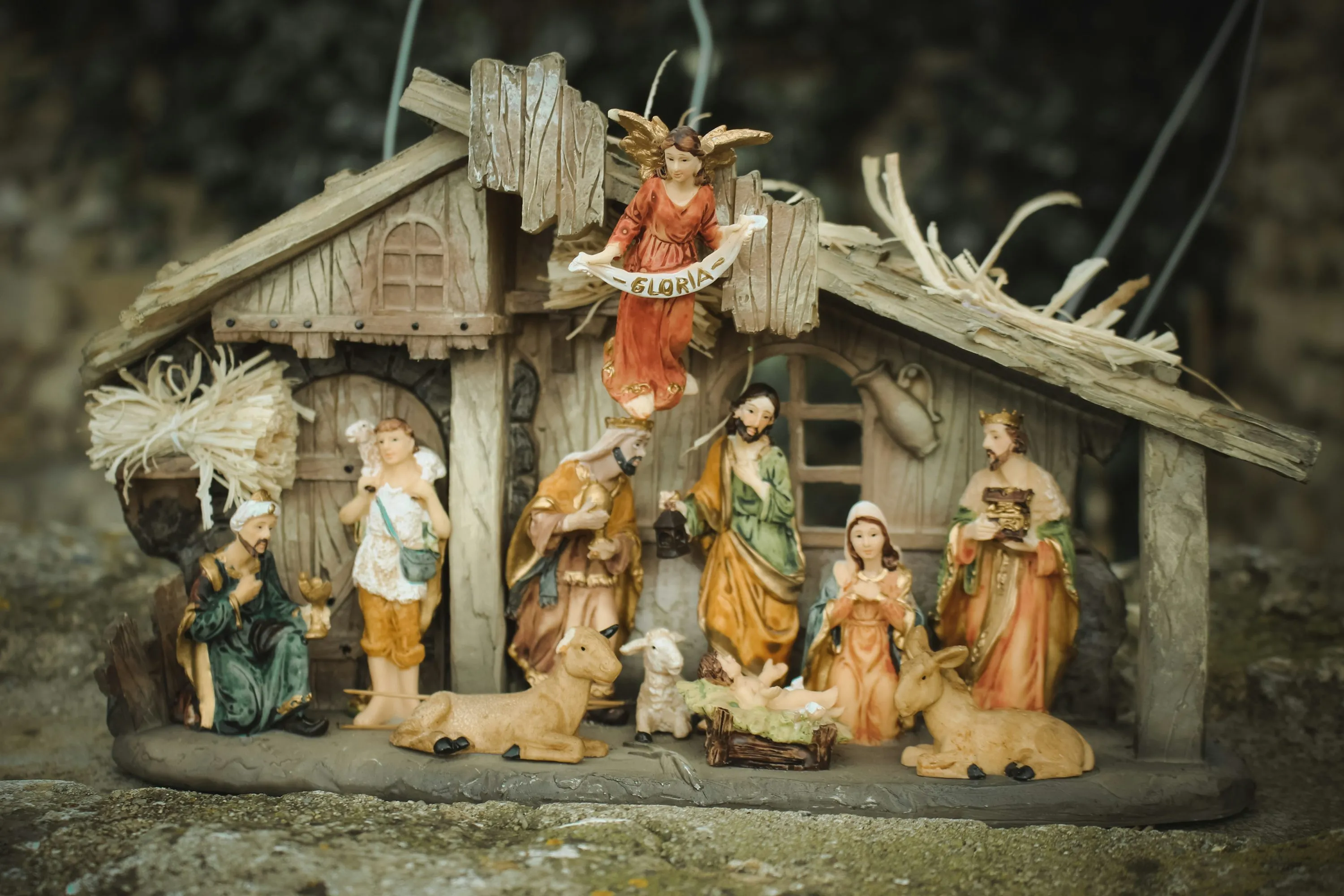
The origins of Christmas are found in the Bible, primarily in the Gospels of Matthew and Luke. According to scripture, Jesus was born in Bethlehem to Mary and Joseph under humble circumstances, laid in a manger because there was no room at the inn. Angels announced the birth to shepherds, while wise men traveled long distances guided by a bright star to honor the newborn child.
This biblical narrative forms the spiritual foundation of Christmas and is retold every year through church services, nativity scenes, and carols. The story emphasizes humility, faith, and divine love, reminding believers that greatness can emerge from simplicity and that hope can be born even in the most modest circumstances.
Why December 25 Is Celebrated
The Bible does not specify the exact date of Jesus Christ's birth. By the 4th century, Christian leaders chose December 25 as the official date to celebrate Christmas. This decision was influenced by existing Roman festivals such as Saturnalia and the Feast of Sol Invictus, which celebrated light, rebirth, and the winter solstice.
By aligning Christmas with these popular winter celebrations, early Christians were able to introduce Christian meaning into established cultural practices. Over time, December 25 became firmly associated with the celebration of Christ's birth, symbolizing light overcoming darkness and hope emerging during the coldest time of the year.
Religious Importance Of Christmas
For Christians, Christmas holds profound spiritual importance as it marks the beginning of Jesus Christ's life on Earth. It represents God's presence among humanity and the promise of salvation. Christmas is deeply connected to the belief that love, compassion, and forgiveness are central to human life.
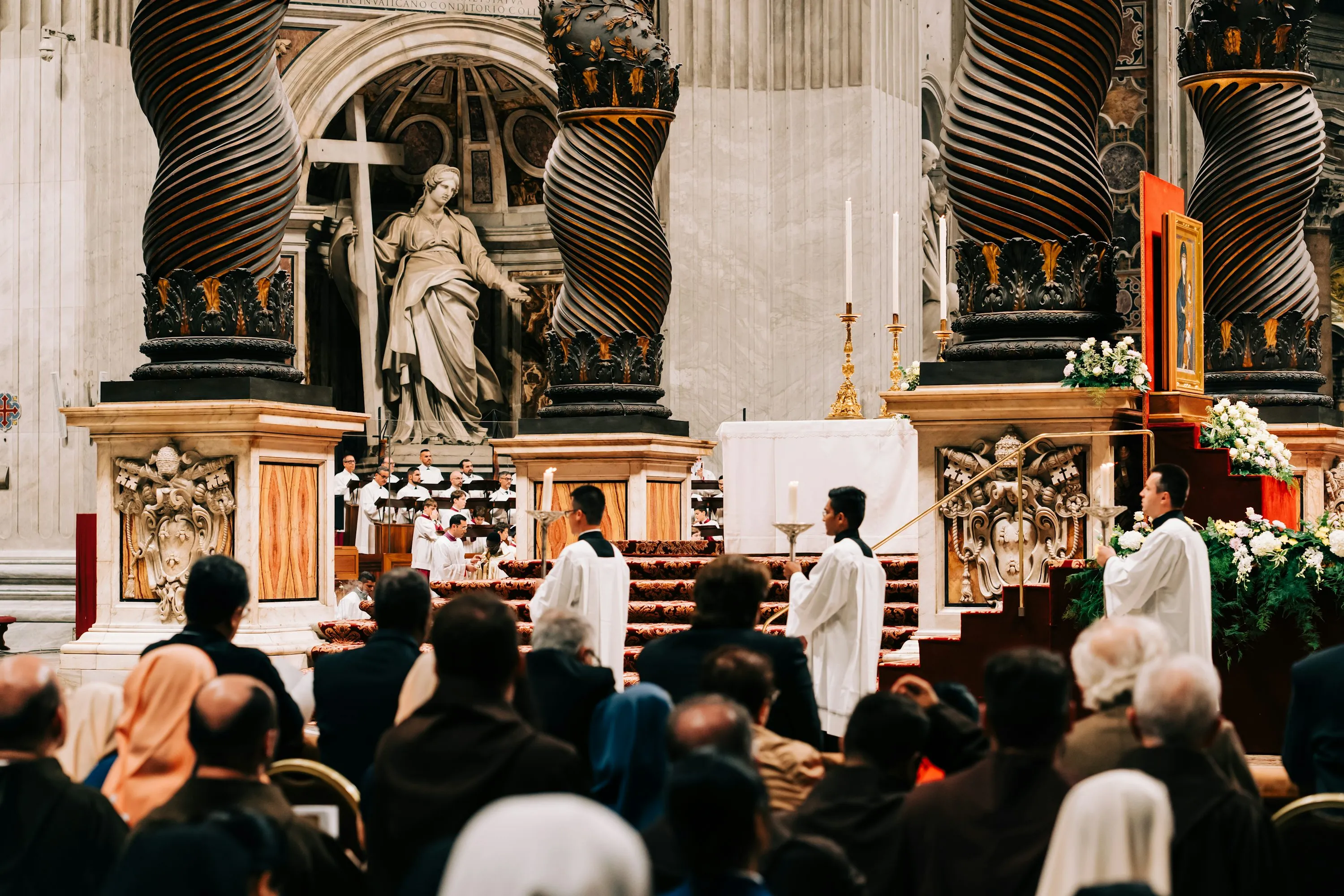
Churches around the world observe Christmas with special services such as Christmas Eve and Midnight Mass. These services include Bible readings, prayers, hymns, and nativity plays that retell the story of Christ's birth. Through worship and reflection, believers renew their faith and recommit themselves to the values taught by Jesus.
Advent And Christmas Preparation
Advent is the four-week period leading up to Christmas and plays a vital role in Christian tradition. It is a time of spiritual preparation, reflection, and anticipation. During Advent, believers focus on themes such as hope, peace, joy, and love as they prepare their hearts for the celebration of Christ's birth.
Symbols such as Advent wreaths and calendars help families observe this period meaningfully. Each candle lit on the wreath represents a step closer to Christmas, while Advent calendars create a sense of excitement and mindfulness. Advent encourages patience, gratitude, and spiritual readiness rather than rushing into celebration.
Evolution Of Christmas Through History
Christmas has evolved significantly throughout history. In early Christianity, it was a quiet and solemn religious observance centered on worship and prayer. During the Middle Ages, Christmas became a community festival featuring feasts, music, and acts of charity, strengthening social bonds.
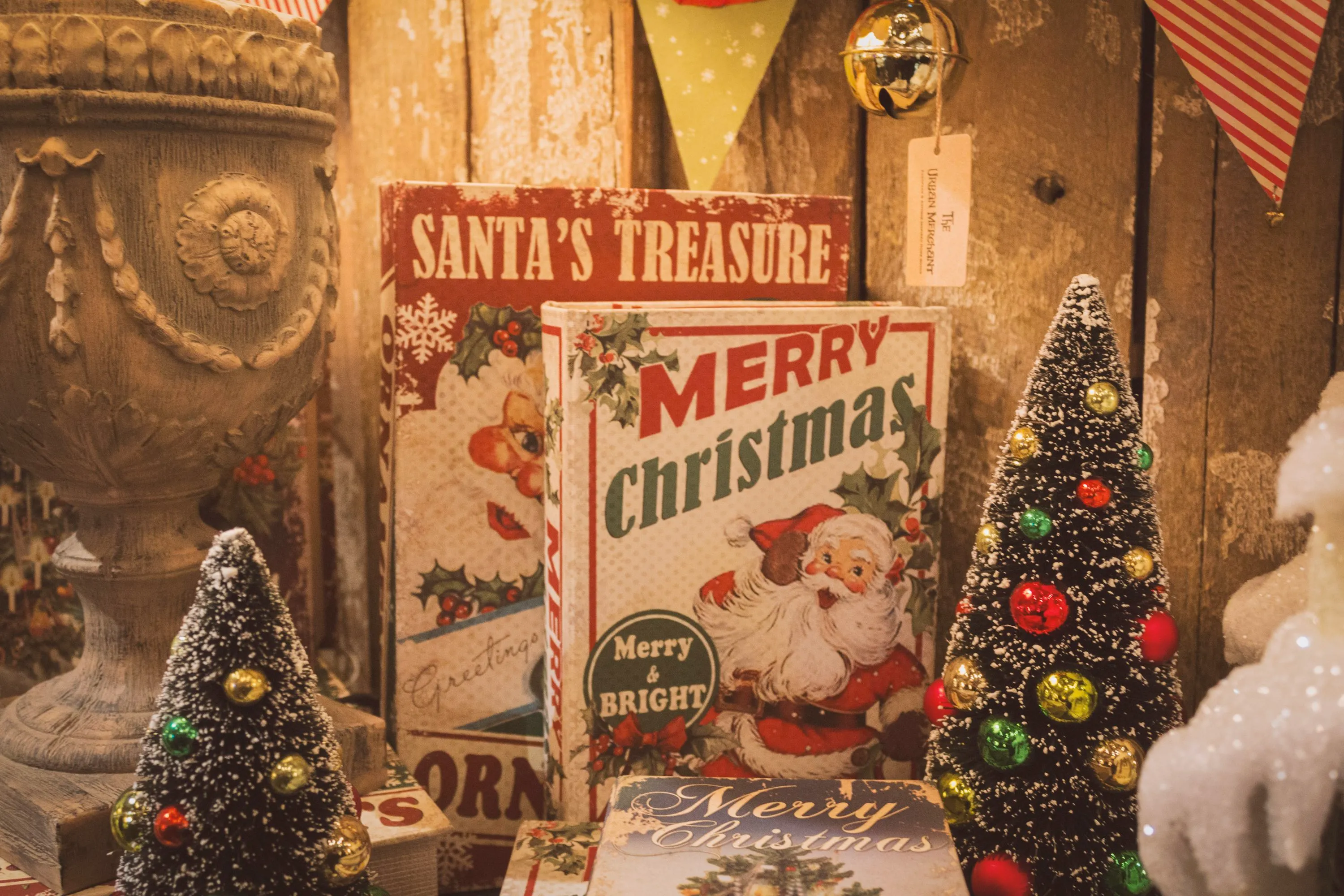
The Victorian era played a crucial role in shaping modern Christmas traditions. During this period, Christmas trees, greeting cards, gift-giving, and family-centered celebrations became popular. In the modern era, Christmas has grown into a global festival that blends religious devotion, cultural expression, and commercial activity.
Christmas As A Cultural Festival
Beyond its religious significance, Christmas has become a powerful cultural phenomenon. Music, movies, literature, and decorations have helped shape a shared global Christmas identity. Songs, films, and festive imagery create emotional connections that extend far beyond church traditions.
In many non-Christian countries, Christmas is celebrated as a seasonal holiday rather than a religious event. Shopping festivals, public decorations, and social gatherings allow people to participate in the festive atmosphere, showing how Christmas has adapted to different cultures while retaining its core message of joy and unity.
Symbols Associated With Christmas

Christmas is rich in symbolism, with each element carrying deep meaning. Evergreen trees symbolize eternal life and resilience, while lights represent hope and the triumph of light over darkness. Nativity scenes remind believers of Christ's humble birth and the spiritual roots of the festival.
Other symbols such as wreaths, stars, angels, bells, and candles add layers of meaning to Christmas celebrations. Together, these symbols create a visual language that expresses faith, joy, renewal, and divine guidance, making Christmas instantly recognizable across the world.
The Christmas Tree Tradition
The tradition of the Christmas tree originated in Germany, where evergreen trees were decorated to celebrate life during winter. Over time, this custom spread across Europe and later to North America and other parts of the world, becoming one of the most iconic Christmas symbols.
Today, Christmas trees are decorated with lights, ornaments, ribbons, and a star or angel at the top. Whether placed in homes, public squares, or shopping centers, the Christmas tree serves as a focal point of celebration, symbolizing joy, family unity, and festive spirit.
Santa Claus and the Story of Saint Nicholas

Santa Claus is inspired by Saint Nicholas, a 4th-century bishop known for his generosity and compassion, particularly toward children and the poor. Stories of his secret gift-giving laid the foundation for the modern legend of Santa Claus.
Over centuries, folklore and popular culture transformed Saint Nicholas into the cheerful, red-clad figure recognized worldwide today. Santa Claus represents kindness, generosity, and the joy of giving, especially for children, and remains a beloved symbol of Christmas magic.
The Tradition of Gift-Giving
Over centuries, folklore and popular culture transformed Saint Nicholas into the cheerful, red-clad figure recognized worldwide today. Santa Claus represents kindness, generosity, and the joy of giving, especially for children, and remains a beloved symbol of Christmas magic.
In modern celebrations, exchanging gifts represents love, appreciation, and thoughtfulness. Whether gifts are large or small, the act of giving strengthens relationships and reinforces the spirit of generosity that defines Christmas.
Christmas Food And Festive Meals
Food plays a vital role in Christmas celebrations across cultures. Families prepare special meals and traditional dishes that are enjoyed together, symbolizing abundance and gratitude. These meals often reflect regional flavors and long-standing family recipes.
Sharing food during Christmas strengthens emotional bonds and creates lasting memories. From elaborate feasts to simple homemade dishes, Christmas meals highlight the importance of togetherness and hospitality during the festive season.
Christmas Celebrations Across the World
Christmas is celebrated in remarkably diverse ways across the globe, shaped by local history, climate, culture, and religious traditions. In many Western countries, the festival centers around church services, decorated homes, gift exchanges, and festive meals, while in other regions public events, street decorations, and community gatherings play a larger role. Some nations emphasize Christmas Eve as the main celebration, while others focus on Christmas Day itself, showing how traditions adapt to local customs.
Despite these variations, the essence of Christmas remains the same everywhere. Themes of peace, hope, forgiveness, and goodwill connect celebrations across continents. Whether it is a quiet church service in a small town, a lively street festival in a major city, or a family dinner at home, Christmas acts as a global cultural bridge that brings people together and strengthens shared human values.
Vatican City as the Spiritual Center of Christmas
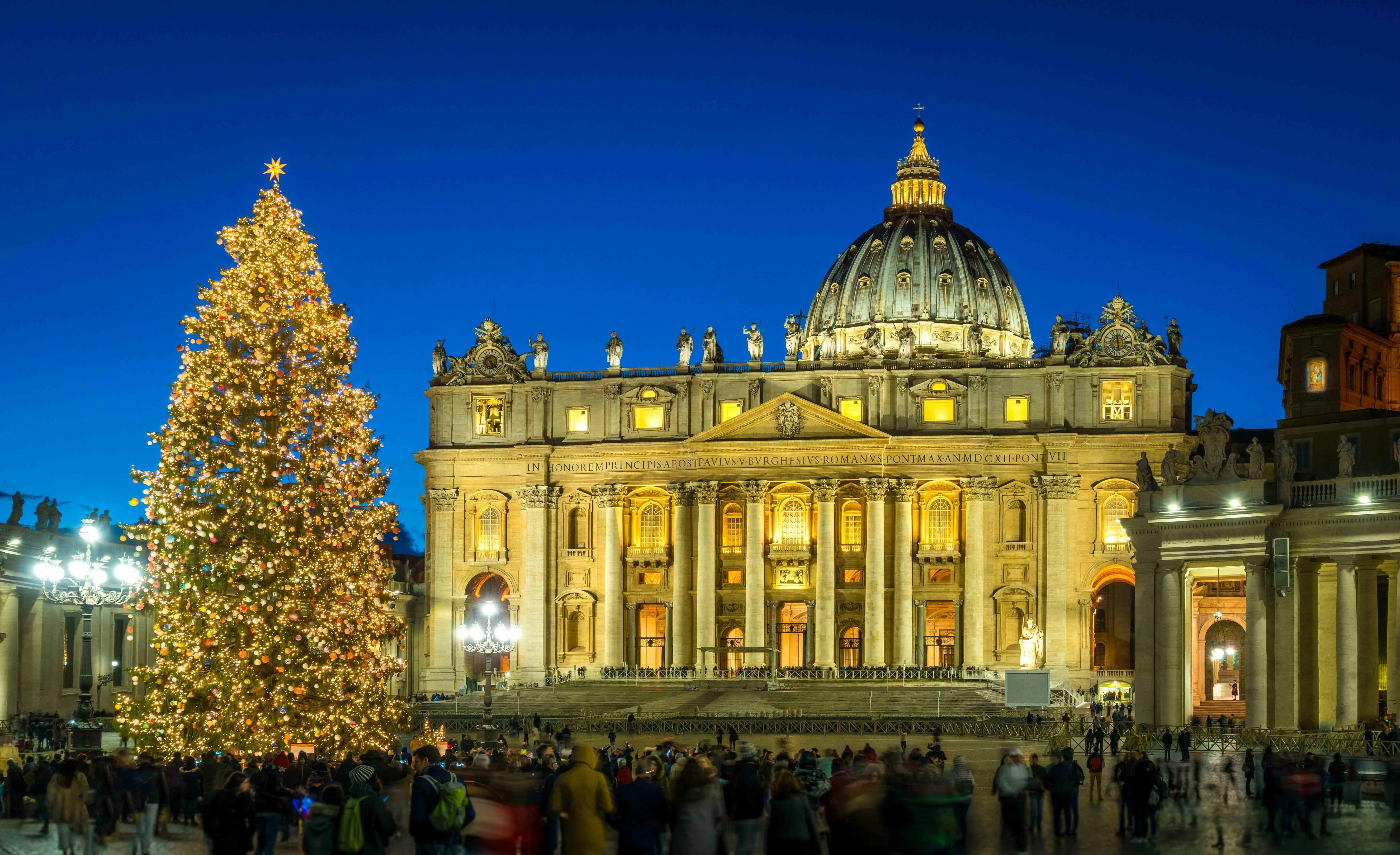
Vatican City holds unmatched spiritual importance during Christmas, especially for Catholics around the world. As the seat of the Roman Catholic Church, it becomes the focal point of global Christian worship during the festive season. The Pope's Midnight Mass at St. Peter's Basilica on Christmas Eve is one of the most watched religious events worldwide, symbolizing unity among believers regardless of nationality or background.
Bethlehem holds extraordinary religious and historical significance as the birthplace of Jesus Christ. During Christmas, the town becomes a deeply spiritual destination, attracting pilgrims, clergy, and visitors from across the world. The streets of Bethlehem carry centuries of history, and the Christmas atmosphere there is marked by prayer, reflection, and reverence rather than grandeur.
Bethlehem as the Birthplace of Jesus Christ
Bethlehem holds extraordinary religious and historical significance as the birthplace of Jesus Christ. During Christmas, the town becomes a deeply spiritual destination, attracting pilgrims, clergy, and visitors from across the world. The streets of Bethlehem carry centuries of history, and the Christmas atmosphere there is marked by prayer, reflection, and reverence rather than grandeur.
The Church of the Nativity stands at the center of Christmas celebrations in Bethlehem. Special services, candlelight processions, and prayers are conducted by different Christian denominations, reflecting the shared heritage of the faith. Bethlehem represents the most authentic and sacred expression of Christmas, reminding the world of the humble beginnings of the festival.
New York City and Its Grand Christmas Displays
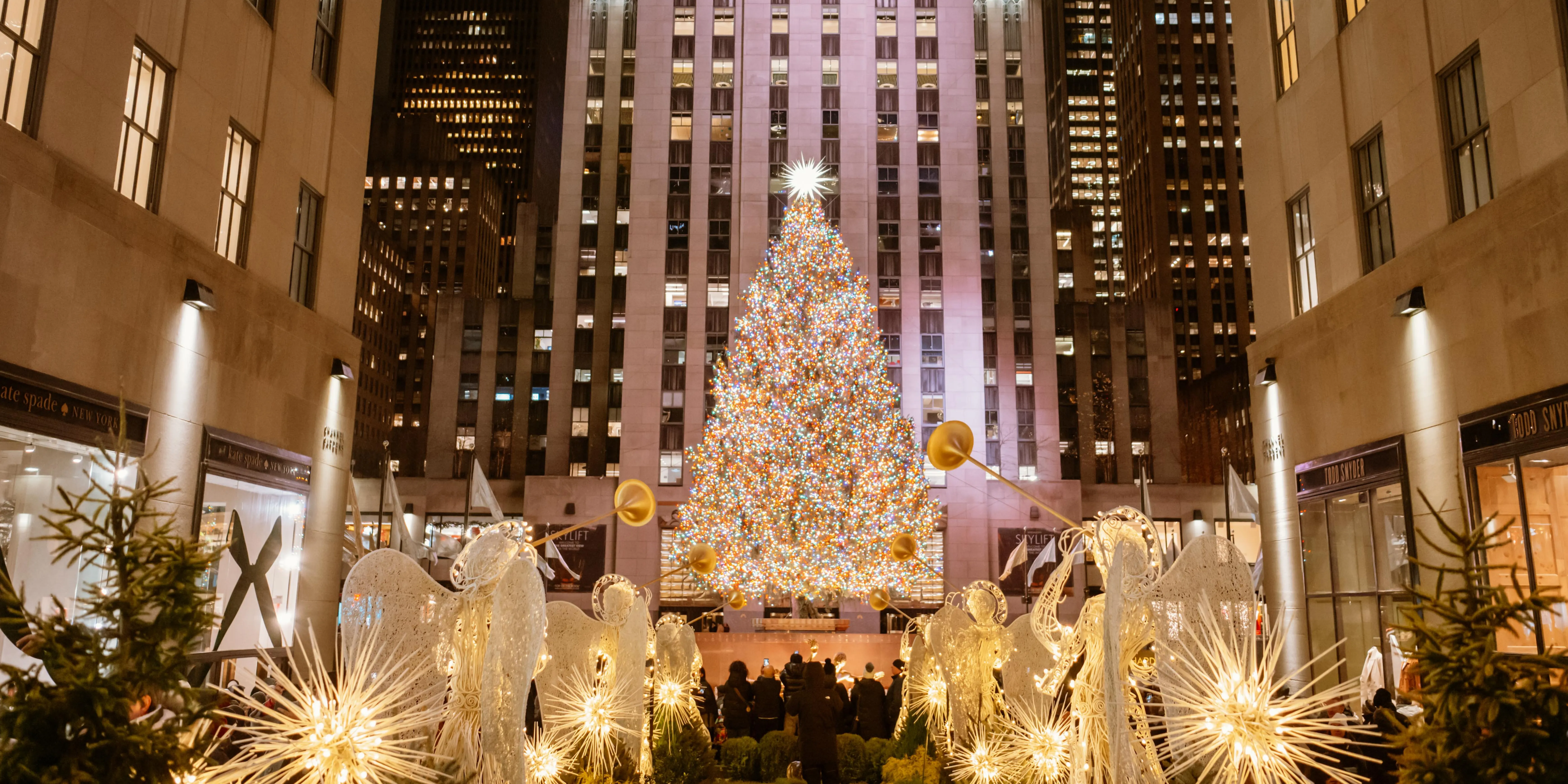
New York City is globally recognized for its spectacular and modern Christmas celebrations. As winter arrives, the city transforms into a festive wonderland filled with lights, decorations, and iconic landmarks. The Rockefeller Center Christmas Tree, illuminated with thousands of lights, has become one of the most famous Christmas symbols in the world.
Beyond the tree, ice skating rinks, Broadway holiday shows, and beautifully decorated storefronts along Fifth Avenue create a vibrant festive atmosphere. Millions of visitors travel to New York each year to experience its Christmas magic. The city represents Christmas on a grand, energetic, and global scale, blending tradition with modern celebration.
European Christmas Markets and Old-World Charm
European Christmas markets are among the most cherished holiday traditions in the world. Originating centuries ago, these markets are held in historic town squares and are known for their warm lights, wooden stalls, and festive music. Cities such as Nuremberg, Vienna, Strasbourg, and Prague become cultural hubs during the Christmas season.
Visitors can explore handcrafted decorations, traditional foods, and seasonal drinks while enjoying performances by choirs and musicians. The markets create a cozy and nostalgic atmosphere that reflects the heart of European Christmas traditions. They offer a slower, more intimate celebration that emphasizes community, craftsmanship, and heritage.
Christmas in the Philippines and Its Long Festive Season

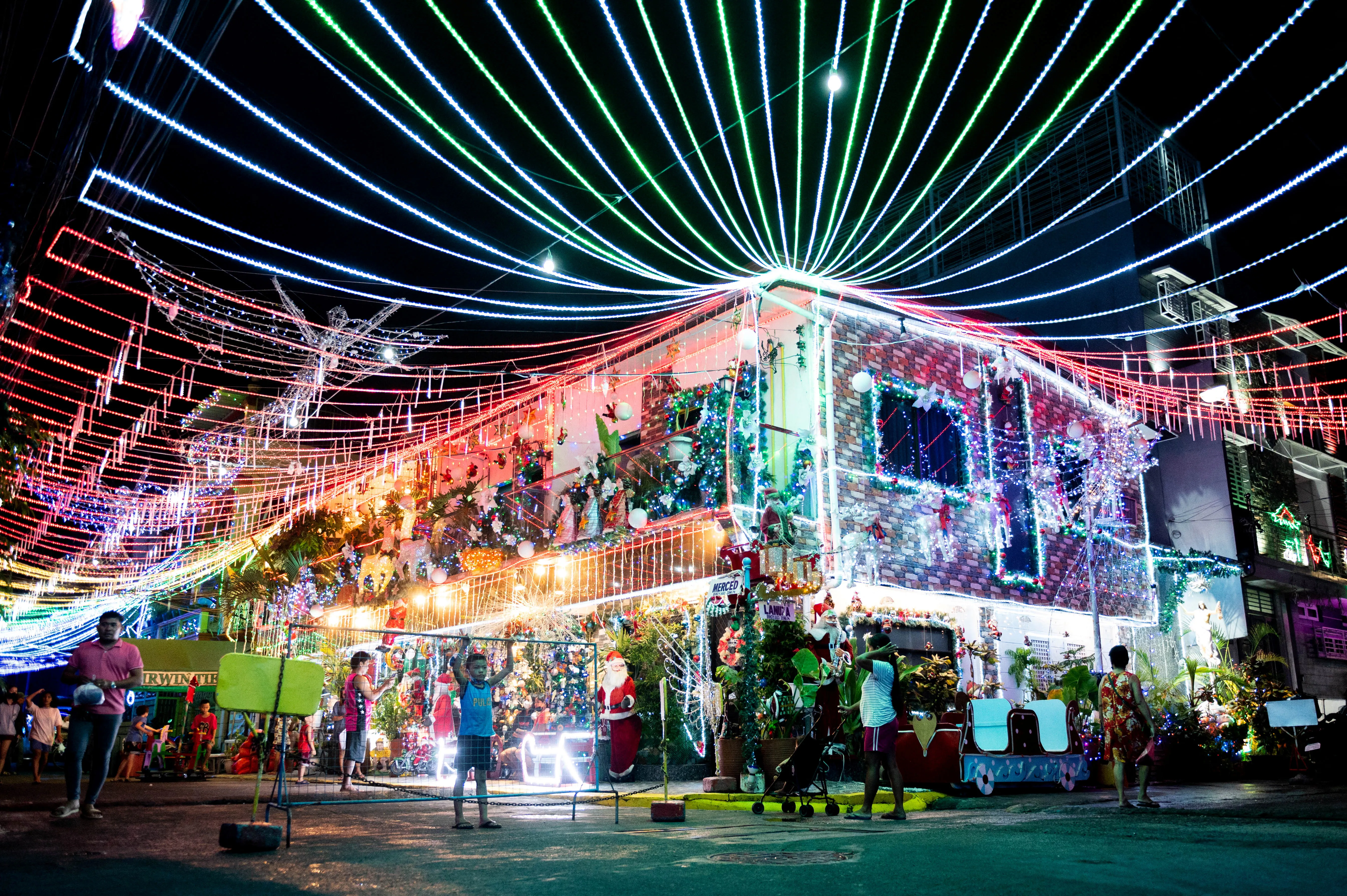
The Philippines is famous for celebrating Christmas longer than any other country in the world. The festive season begins as early as September and continues until January, reflecting the nation's deep-rooted Christian faith and joyful cultural spirit. Decorations, carols, and festive lights appear months before Christmas Day, creating a long period of celebration.
A key religious tradition is Simbang Gabi, a series of nine church services held before Christmas. Homes and streets are decorated with parol lanterns, symbolizing the Star of Bethlehem. Food, music, and family gatherings play a major role, making Christmas in the Philippines one of the most vibrant and emotionally rich celebrations worldwide.
Christmas In Different Cultures
Christmas adapts beautifully to different cultural contexts while retaining its core message. In Latin American countries, Christmas Eve, known as Nochebuena, is often the main celebration, marked by lively family gatherings, music, and fireworks. These celebrations emphasize joy, togetherness, and strong family bonds.
In Europe, children often wait for gifts from figures such as Saint Nicholas, Father Christmas, or the Christkind, depending on local tradition. In Japan, Christmas is largely celebrated as a romantic or commercial holiday rather than a religious one. These cultural differences highlight Christmas's flexibility and its ability to resonate across diverse societies.
Christmas As A Family Celebration
Family is at the heart of Christmas celebrations across the world. The festival provides an opportunity for relatives to reunite, often after long periods apart. Shared meals, gift exchanges, and traditional rituals strengthen emotional bonds and create lasting memories.
For many people, Christmas is also a time for reflection and reconciliation. Families use the occasion to forgive past misunderstandings and reconnect emotionally. These intimate moments of togetherness give Christmas its deep emotional significance beyond decorations and festivities.
Spirit Of Giving And Charity
Giving is one of the most powerful aspects of Christmas. Inspired by the generosity associated with Jesus Christ's teachings and the story of Saint Nicholas, many people focus on helping others during the festive season. Acts of kindness, whether big or small, define the true spirit of Christmas.
Charitable donations, volunteering, and community support increase significantly during this time. Helping the less fortunate, sharing food, and offering comfort reinforce values of empathy and compassion. These actions remind society that Christmas is not just about receiving, but about giving selflessly.
Modern Christmas And Commercial Influence
In the modern era, Christmas has become a major commercial season worldwide. Retailers launch large-scale promotions, festive advertising campaigns, and holiday sales that significantly impact global economies. Shopping malls, online platforms, and brands play a visible role in shaping modern Christmas culture.
As societies change, Christmas continues to adapt while holding onto its traditional values. Religious observance, cultural rituals, and family customs coexist with modern elements such as technology, social media, and contemporary entertainment. This balance allows the festival to remain meaningful for all generations.
Balancing Tradition And Modern Celebration
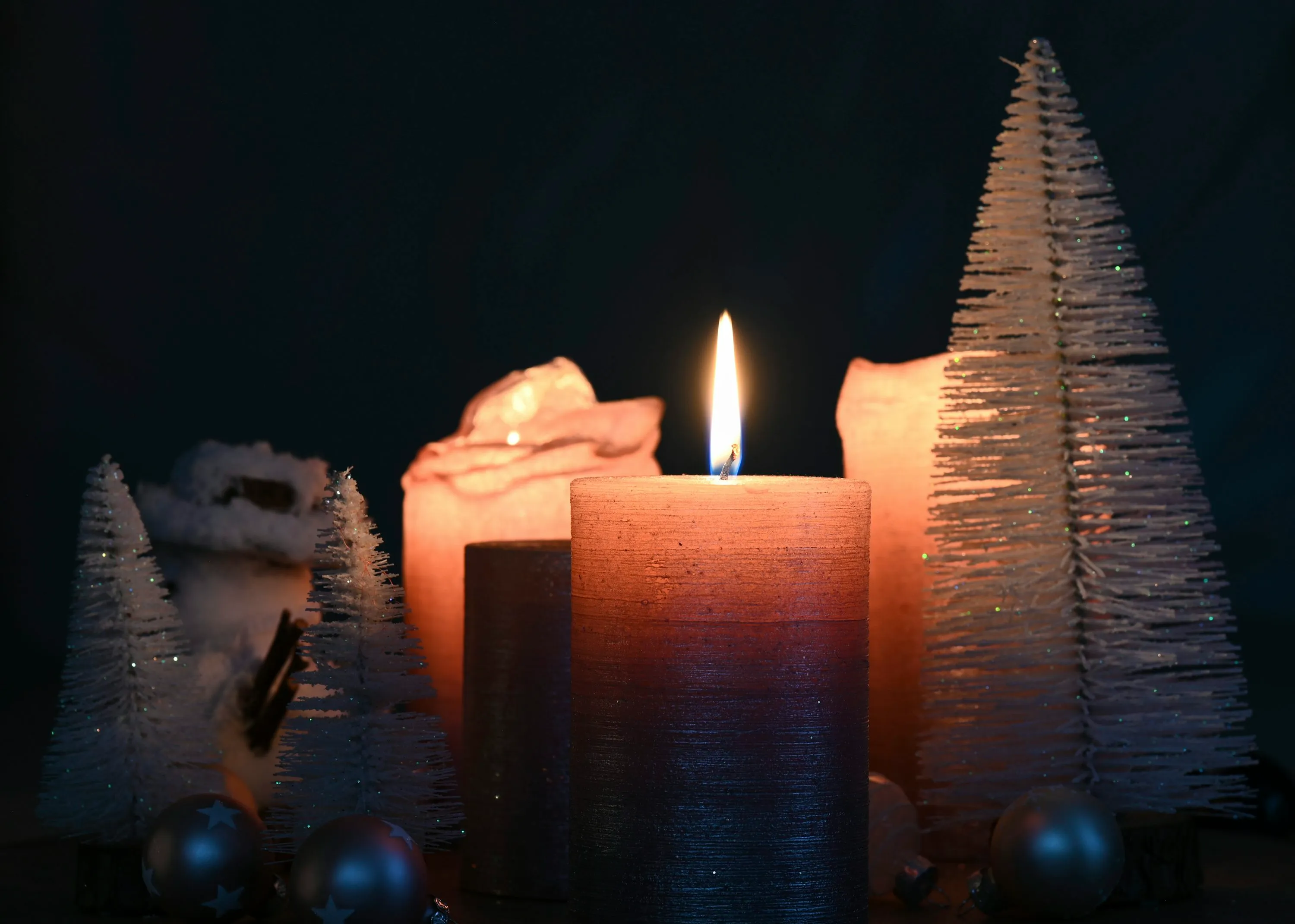
As societies change, Christmas continues to adapt while holding onto its traditional values. Religious observance, cultural rituals, and family customs coexist with modern elements such as technology, social media, and contemporary entertainment. This balance allows the festival to remain meaningful for all generations.
Younger generations often reinterpret traditions in new ways, while older generations help preserve their original significance. This dynamic interaction between past and present ensures that Christmas remains relevant, emotionally rich, and culturally significant in modern life.
The True Spirit and Lasting Importance of Christmas
At its heart, Christmas is a celebration of hope, love, and humanity. It reminds people of the importance of kindness, compassion, and peace in a world often marked by division. From sacred religious ceremonies to simple family gatherings, Christmas carries a message that transcends borders and beliefs.
The lasting importance of Christmas lies in its ability to bring people together and inspire positive change. Its message remains timeless, encouraging humanity to choose love over conflict, generosity over selfishness, and hope over despair-even in the darkest seasons.
Facebook Comments




-
 Explore the upcoming Tamil film Maaman - cast, sto...
 -
 Read the ACE (2025) movie review starring Vijay Se...
 -
 Check out Maaman's 1st day box office collection a...
 -
 Explore tourist family reviews for Maaman movie –...
Popular Posts
Vote / Poll
Recent Posts




Recommended Posts

-
 Discover the best schools in Nagercoil f...
 -
 Discover the top-rated preschools in Nag...
 -
 Explore the best schools in Nagercoil th...

Comment / Reply From