Why Post Menopausal Obesity Is A Silent Trigger For Breast Cancer

Why Post Menopausal Obesity Is A Silent Trigger For Breast Cancer
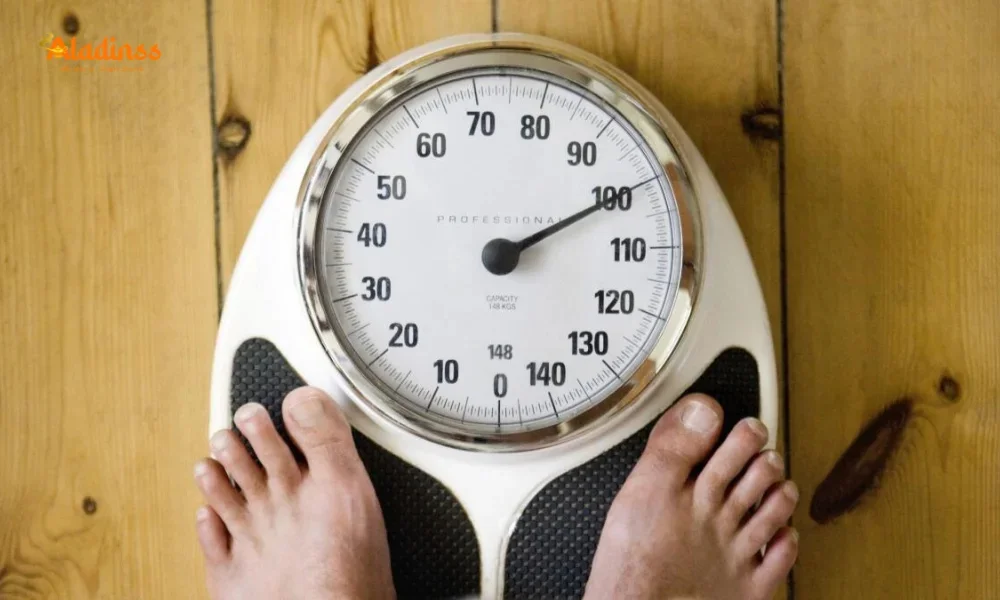
Indian women entering menopause face an invisible threat that grows with every extra kilogram. Post-menopausal obesity operates silently, transforming routine weight gain into a powerful catalyst for breast cancer development. Medical experts reveal how excess fat after menopause becomes a hormone-producing factory that feeds cancer cells without any warning signs.
The danger lies in biological changes that occur deep within the body. As ovaries stop producing estrogen, fat tissue takes over this critical function. This shift creates continuous estrogen exposure that stimulates hormone-sensitive breast tumors. Understanding post-menopausal obesity as a breast cancer trigger empowers women to take preventive action before it's too late.
Hormonal Transformation After Menopause
The menopause transition fundamentally alters estrogen production pathways. Pre-menopausal ovaries generate approximately 90% of circulating estrogen. When ovarian function ceases, peripheral fat tissue becomes the primary estrogen source through aromatase enzyme activity. This enzyme converts circulating androgens into active estrogen forms, creating a direct relationship between fat mass and estrogen levels.
Research demonstrates that each 5kg weight gain post-menopause increases breast cancer risk by 10-15%. The mechanism involves sustained estrogen exposure to breast tissue, promoting cellular proliferation in hormone receptor-positive cancers. This represents the most common breast cancer subtype, accounting for 70-80% of diagnoses in post-menopausal women.
Post-menopausal obesity creates estrogen levels equivalent to hormone replacement therapy without any medication. The continuous production occurs 24 hours daily, unlike cyclic pre-menopausal patterns. This steady exposure provides ideal conditions for cancer initiation and progression.
Adipose Tissue as Endocrine Organ
Modern medicine recognizes fat tissue as an active endocrine organ rather than inert storage. Visceral fat, particularly dangerous in post-menopausal women, secretes over 50 biologically active substances. These include adipokines like leptin and resistin that promote tumor growth while suppressing protective factors like adiponectin.
The inflammatory cascade begins with macrophage infiltration into expanding fat tissue. These immune cells release pro-inflammatory cytokines including TNF-alpha and IL-6. Chronic low-grade inflammation creates DNA damage and alters cellular signaling pathways, establishing a pre-cancerous environment within breast tissue.
Insulin resistance develops as fat mass increases, elevating circulating insulin and IGF-1 levels. Both molecules stimulate breast cancer cell division through PI3K/Akt pathway activation. The combination of high estrogen, inflammation, and growth factors creates multiple independent pathways for cancer development.
Why Indian Women Face Heightened Risk
Genetic and lifestyle factors compound post-menopausal obesity risks for Indian women. South Asian populations exhibit higher visceral fat accumulation at lower BMI levels compared to Caucasian counterparts. A BMI of 25 in Indian women carries equivalent metabolic risk to BMI 30 in Western populations.
Central obesity patterns dominate, with waist-hip ratios frequently exceeding 0.85. This android fat distribution correlates strongly with aromatase activity and estrogen production. Traditional Indian diets, while vegetable-rich, often include high glycemic index carbohydrates that promote insulin resistance when combined with sedentary urban lifestyles.
Cultural acceptance of post-menopausal weight gain as "normal aging" delays intervention. Many women reduce physical activity after household responsibilities decrease, creating perfect conditions for fat accumulation. The combination of genetic predisposition and lifestyle changes accelerates the obesity-cancer connection.
- Indian women store 30% more visceral fat than BMI-matched Caucasians
- Waist circumference >80cm indicates high risk regardless of weight
- Post-menopausal weight gain averages 0.5-1kg annually without intervention
- Central obesity triples breast cancer risk independent of BMI
- South Asian aromatase activity shows higher baseline levels
Biochemical Mechanisms Explained
Aromatase expression increases proportionally with fat mass, particularly in abdominal regions. The enzyme converts adrenal androgens into estrone, which transforms into estradiol in breast tissue. This local estrogen production bypasses liver metabolism, creating high concentrations directly at cancer initiation sites.
Adipose tissue also expresses 17β-hydroxysteroid dehydrogenase, completing estrogen synthesis pathways. The resulting hyperestrogenic state promotes epithelial cell proliferation in breast ducts and lobules. Prolonged exposure leads to DNA replication errors and accumulation of oncogenic mutations.
Inflammation markers like C-reactive protein elevate 2-3 fold in obese post-menopausal women. These systemic changes create oxidative stress that damages BRCA1/2 repair mechanisms. The multi-hit hypothesis explains how obesity provides both initiating and promoting factors for breast carcinogenesis.
Impact on Cancer Treatment Outcomes
Obesity complicates every aspect of breast cancer management. Surgical complications increase with BMI above 30, including wound healing delays and infection rates. Chemotherapy dosing becomes challenging as standard calculations based on body surface area lead to under-dosing in obese patients.
Radiation therapy planning requires larger fields to encompass breast tissue surrounded by excess fat. This increases heart and lung exposure, elevating long-term cardiovascular risks. Hormone therapy effectiveness decreases as endogenous estrogen from fat tissue competes with tamoxifen binding.
Recurrence rates climb 30-50% in obese patients compared to normal weight counterparts. The persistent inflammatory and hormonal environment supports residual cancer cell survival. Weight loss during treatment improves survival statistics dramatically, with each 5% reduction decreasing mortality risk by 12%.
Prevention Strategies That Work
Weight management post-menopause requires different approaches than pre-menopausal efforts. Muscle mass preservation becomes critical as metabolism slows 2-3% per decade. Resistance training three times weekly maintains lean tissue while moderate cardio burns fat without excessive stress.
Dietary patterns emphasizing protein (1.2g/kg body weight) and fiber (30g daily) control insulin response. Mediterranean-style eating with olive oil, nuts, and fish reduces inflammatory markers. Intermittent fasting protocols show promise in lowering IGF-1 levels when medically supervised.
Sleep quality affects hunger hormones leptin and ghrelin. Seven to nine hours nightly prevents overeating triggered by hormonal imbalance. Stress management through yoga or meditation reduces cortisol-driven abdominal fat storage. Even modest 5-10% weight loss dramatically improves metabolic parameters.
Screening Recommendations Update
Current guidelines must evolve beyond BMI measurement. Waist circumference assessment identifies central obesity missed by weight scales. DEXA scans quantify visceral fat accurately for high-risk patients. Inflammatory markers like hs-CRP provide additional risk stratification.
Mammography interpretation requires obesity-specific adjustments. Dense breast tissue combined with fat creates diagnostic challenges. MRI screening offers superior sensitivity for obese patients when ultrasound proves inadequate. Annual metabolic panels track insulin resistance progression.
Healthcare providers need training in culturally sensitive weight discussions. Indian patients respond better to family-inclusive counseling that addresses home cooking patterns. Community programs combining exercise classes with nutrition education show higher participation rates than individual interventions.
Research Frontiers and Future Hope
Emerging therapies target obesity-cancer connections directly. Aromatase inhibitors prevent local estrogen production in breast tissue. Metformin shows promise in reducing insulin-driven cancer growth. Brown fat activation through cold exposure or pharmacological agents increases calorie burning.
Microbiome research reveals gut bacteria influence estrogen metabolism through beta-glucuronidase activity. Probiotic interventions may reduce circulating estrogen levels. Exercise-induced myokines like irisin demonstrate anti-cancer properties in preliminary studies.
The message remains clear: post-menopausal obesity represents a modifiable risk factor with immediate intervention potential. Women who maintain healthy weight through menopause transition reduce breast cancer risk by up to 50%. This preventable pathway offers hope through lifestyle empowerment rather than pharmaceutical dependence.
Healthcare systems must prioritize obesity prevention in midlife women. Workplace wellness programs, community walking groups, and physician training create supportive environments for change. The silent trigger of post-menopausal obesity can become a loud call to action for better health outcomes across India.
Facebook Comments













-
 Explore the upcoming Tamil film Maaman - cast, sto...
 -
 Read the ACE (2025) movie review starring Vijay Se...
 -
 Check out Maaman's 1st day box office collection a...
 -
 Explore tourist family reviews for Maaman movie –...
Popular Posts
Vote / Poll
Recent Posts




Recommended Posts

-
 Discover the best schools in Nagercoil f...
 -
 Discover the top-rated preschools in Nag...
 -
 Explore the best schools in Nagercoil th...

Comment / Reply From