Smart Tips for Nutritious Meals on a Tight Budget
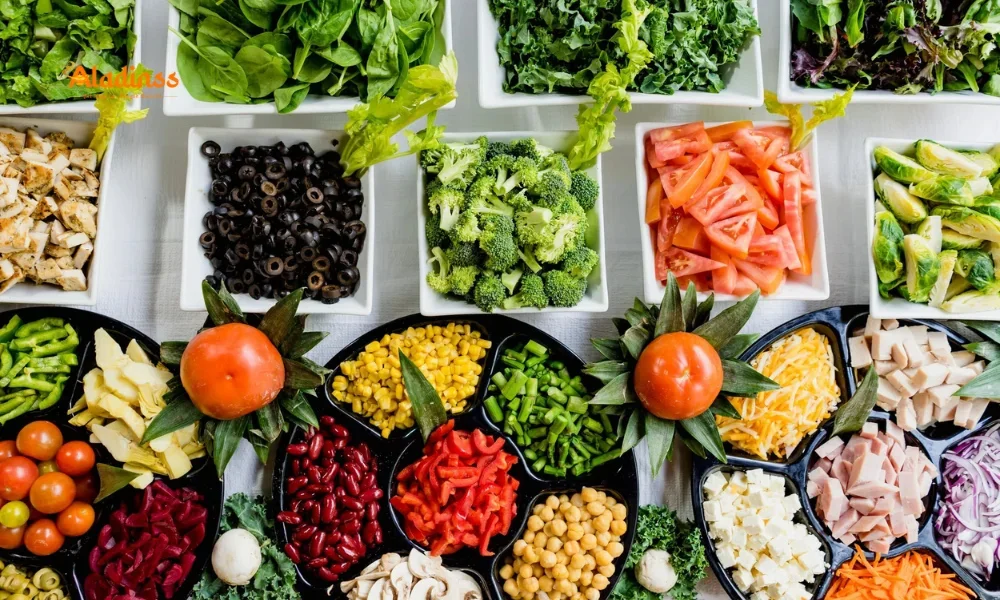
Smart Tips for Nutritious Meals on a Tight Budget
Eating healthy doesn’t have to drain your wallet, especially in India, where affordable ingredients and smart shopping strategies can make nutritious meals accessible to all. Contrary to popular belief, a tight budget doesn’t mean compromising on health. By making small changes to how you shop, cook, and plan, you can enjoy delicious, nutrient-packed meals without overspending. This article shares 15 practical tips to help Indian households create budget-friendly, healthy meals in 2025, optimized for both nutrition and savings.
Plan Meals Ahead of Time
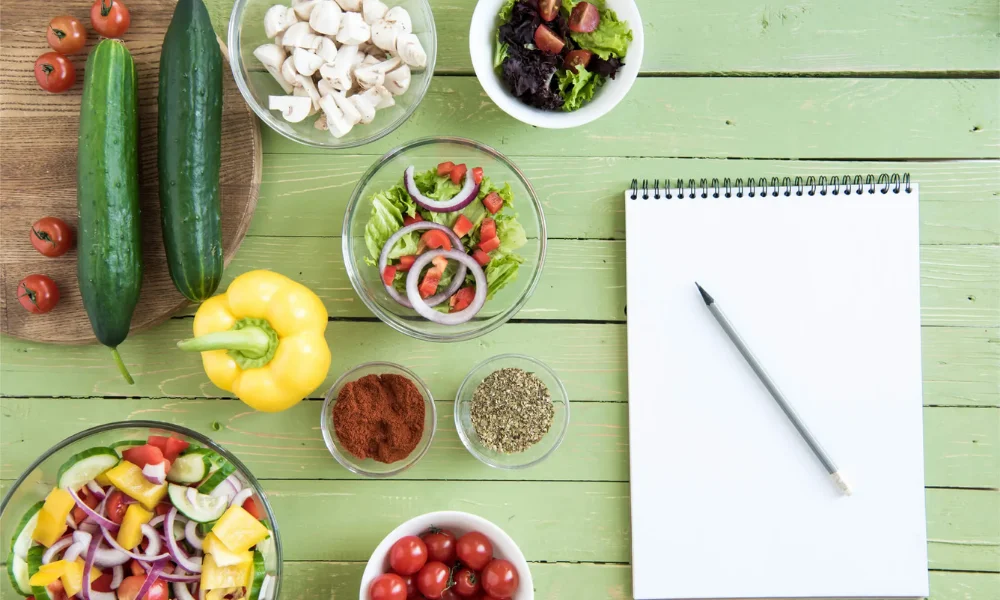
Meal planning is a game-changer for budget-conscious eaters. By deciding what to cook for the week before heading to the market, you avoid impulse buys and reduce food waste. A simple weekly plan ensures your meals are balanced, incorporating proteins, carbs, and vegetables. In India, where busy schedules often lead to takeout orders, planning can save significant costs.
Start by selecting three to four recipes, such as dal, vegetable sabzi, or rice-based dishes, and repeat them throughout the week. Write a shopping list based on these recipes to stay focused at the store. Apps or a simple notebook can streamline the process. This habit not only cuts grocery bills but also reduces the stress of last-minute meal decisions, making healthy eating easier.
Buy Seasonal Produce
Seasonal fruits and vegetables are fresher, tastier, and more affordable. In India, local markets overflow with seasonal produce like mangoes in summer or spinach in winter, often at lower prices than off-season items. Buying seasonal ensures variety in your diet while keeping costs down. For example, carrots and greens are abundant and cheap during cooler months.
Check local market schedules or ask vendors about peak seasons for produce. Stock up when prices dip and freeze extras, like chopped vegetables or pureed fruits, for later use. This approach stretches your budget and adds nutrient-rich ingredients to meals like curries, salads, or smoothies, enhancing both flavor and health benefits.
Choose Whole Foods Over Processed Items
Whole foods like rice, lentils, and oats are staples in Indian kitchens and cost less than packaged meals. These versatile ingredients can be used in dishes like khichdi, upma, or dal, offering better nutrition and satiety. Unlike processed snacks, whole foods provide fiber, vitamins, and minerals, making them a budget-friendly choice for health-conscious families.
Processed foods, such as instant noodles or chips, are expensive and often high in sodium or sugar. By swapping them for whole foods, you control ingredients and save money. For instance, a homemade dal-rice meal is far cheaper and healthier than takeout. This shift supports long-term health and reduces grocery expenses significantly.
Cook in Bulk
Cooking large batches of meals like soups, stews, or biryani saves time and money. In India, preparing big pots of dal or vegetable curry can cover multiple meals, reducing the need for frequent cooking. Freeze leftovers in portions for quick reheating, cutting down on takeout temptations during busy weeks.
Bulk cooking is ideal for Indian households, where large families or frequent guests are common. Use affordable ingredients like lentils or potatoes to make hearty dishes. This method minimizes food waste and leverages economies of scale, as buying ingredients in larger quantities often costs less. With practice, bulk cooking becomes a seamless part of your routine.
Shop with a Grocery List
A grocery list is your best defense against impulse purchases in India’s bustling markets. By sticking to a list, you buy only what you need for planned meals, avoiding costly extras like packaged snacks. This habit also prevents forgetting key ingredients, saving you from last-minute store runs.
Before shopping, check your pantry to avoid duplicating items. Write down ingredients for your weekly menu, focusing on staples like rice, dal, and seasonal vegetables. In India, where local markets offer competitive prices, a list ensures you capitalize on deals without overspending. This disciplined approach can significantly lower your grocery bills over time.
Buy in Bulk When Possible
Purchasing pantry staples like rice, lentils, or spices in bulk can reduce costs significantly. Many Indian grocery stores offer bulk sections where you can measure exact quantities, minimizing waste. These items have long shelf lives, making them safe to stock up on without fear of spoilage.
While the upfront cost of bulk buying may seem high, the per-unit price is lower, offering long-term savings. For example, buying a 5-kg bag of rice or lentils is cheaper than smaller packets. Store bulk items in airtight containers to maintain freshness. This strategy is particularly effective for Indian households cooking daily staples like dal or pulao.
Opt for Frozen or Canned Produce
Frozen or canned vegetables and fruits are often cheaper than fresh produce, especially out of season. In India, frozen peas or mixed vegetables are widely available and retain most nutrients. Canned options like tomatoes or chickpeas are also cost-effective for curries and soups.
Check labels to avoid added sugars or sodium in canned goods. These alternatives are perfect for quick meals and have long shelf lives, reducing waste. Incorporating frozen or canned produce into dishes like sabzi or stews ensures nutrition without the high cost of fresh, off-season items.
Use Cheaper Protein Sources
Protein doesn’t have to mean expensive meat or paneer. In India, lentils, chickpeas, and eggs are affordable, nutrient-dense options. These can be used in dishes like chana masala, dal tadka, or anda curry, providing high-quality protein at a low cost.
Eggs, for instance, are a versatile protein source, perfect for breakfast or dinner. Lentils and beans can be stretched across multiple meals, making them budget-friendly staples. By prioritizing these over pricier proteins, you maintain nutrition while keeping expenses low.
Grow Your Own Herbs
Fresh herbs like coriander, mint, or curry leaves elevate Indian dishes but can add up at the market. Growing your own herbs at home, even in small pots, is a cost-effective way to add flavor. These plants thrive in India’s climate and require minimal space or maintenance.
A small investment in seeds or saplings yields months of fresh herbs. Use them in chutneys, curries, or garnishes to enhance meals without extra cost. This tip is ideal for urban households with limited space, as herbs can grow on balconies or windowsills.
Limit Meat Consumption
Meat can be one of the priciest items on your grocery list. In India, where vegetarian diets are common, reducing meat in favor of plant-based proteins like lentils or tofu saves money. Dishes like rajma or soya curry are filling and nutritious alternatives.
If you enjoy meat, use it sparingly as a flavor enhancer rather than the main ingredient. For example, add small amounts to vegetable curries or biryanis. This approach aligns with Indian culinary traditions and keeps your budget intact while maintaining protein intake.
Repurpose Leftovers Creatively
Leftovers are a goldmine for budget meals. In Indian cuisine, repurposing is common—turn leftover dal into soup or use vegetable curry as a paratha filling. This reduces waste and stretches your ingredients across multiple meals.
Get creative by mixing leftovers with rice or roti to create new dishes. For example, leftover sabzi can become a sandwich filling or a base for fried rice. This habit not only saves money but also adds variety to your meals, keeping your diet interesting and healthy.
Shop at Local Markets
Local markets in India often offer fresher produce at lower prices than supermarkets. Vendors at sabzi mandis or weekly markets provide seasonal vegetables and fruits at competitive rates. Building relationships with vendors can lead to better deals over time.
Visit markets early in the morning for the best selection and prices. Compare prices across stalls to ensure you’re getting value. This approach supports local farmers and keeps your grocery budget lean while ensuring fresh, nutritious ingredients.
Use Spices for Flavor
Spices are the backbone of Indian cooking and a budget-friendly way to enhance meals. Staples like turmeric, cumin, and chili powder add flavor and health benefits without breaking the bank. A small investment in spices goes a long way in making simple ingredients taste extraordinary.
Buy spices in bulk or from local markets to save money. Experiment with spice blends to transform basic dishes like rice or lentils into flavorful meals. This approach keeps your meals exciting and nutritious without relying on costly ingredients.
Cut Down on Packaged Snacks
Packaged snacks like chips or biscuits are tempting but expensive and often unhealthy. In India, homemade snacks like roasted chickpeas or puffed rice bhel are cheaper and more nutritious. These alternatives satisfy cravings while keeping your budget and health in check.
Prepare snacks in bulk, such as spiced nuts or murmura mixes, and store them for quick access. This saves money and reduces reliance on processed foods high in sodium or sugar, supporting a healthier diet.
Learn Simple Recipes
Mastering a few simple, budget-friendly recipes can transform your meal prep. In India, dishes like vegetable pulao, dal fry, or roti with sabzi are easy to learn and use affordable ingredients. These recipes require minimal equipment and can be adapted to whatever you have on hand.
Start with recipes that use pantry staples and seasonal produce. Online tutorials or cookbooks can provide inspiration. Over time, these dishes become quick, go-to options that save money and ensure nutritious meals for your family.
Facebook Comments














-
 Explore the upcoming Tamil film Maaman - cast, sto...
 -
 Read the ACE (2025) movie review starring Vijay Se...
 -
 Check out Maaman's 1st day box office collection a...
 -
 Explore tourist family reviews for Maaman movie –...
Popular Posts
Vote / Poll
Recent Posts




Recommended Posts

-
 Discover the best schools in Nagercoil f...
 -
 Discover the top-rated preschools in Nag...
 -
 Explore the best schools in Nagercoil th...

Comment / Reply From