Blood Sugar Spikes and Heart Attack Risk: How to Control Post-Meal Glucose
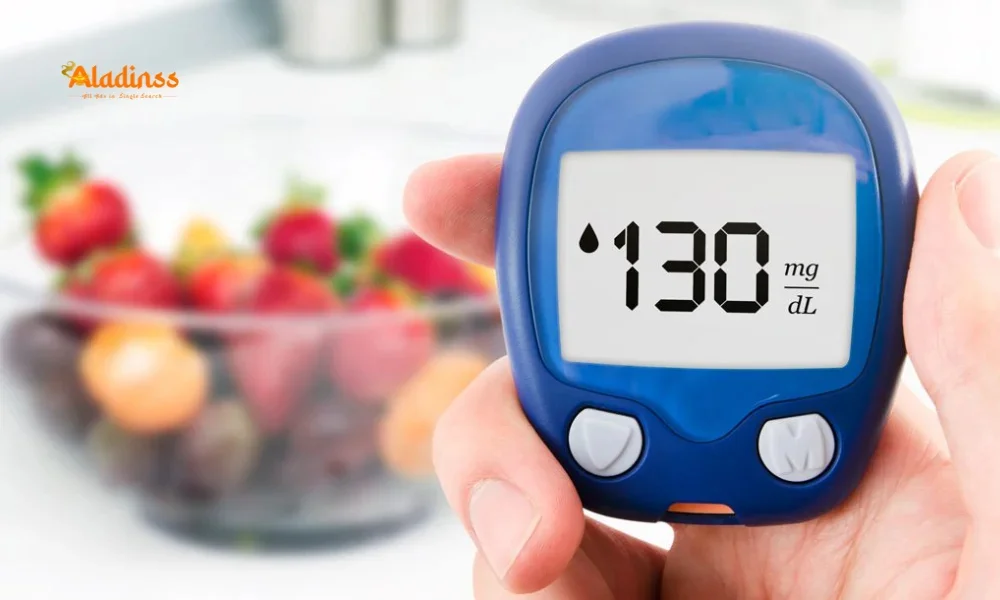
Blood Sugar Spikes and Heart Attack Risk: How to Control Post-Meal Glucose
As of September 2, 2025, managing postprandial (post-meal) blood sugar levels has emerged as a critical factor in reducing heart attack risk and improving overall health, particularly for those with diabetes. While monitoring pre-meal glucose and adhering to medication are essential, neglecting post-meal blood sugar spikes can have severe consequences, including increased oxidative stress and inflammation that harm blood vessels. These spikes are linked to a higher risk of heart-related complications, making their control vital for long-term health. This article explores why post-meal blood sugar spikes are dangerous, the ideal glucose levels after eating, and practical strategies to manage them effectively, empowering individuals to protect their heart and manage diabetes.
Why Post-Meal Blood Sugar Spikes Are Harmful
Postprandial blood sugar spikes occur when glucose levels rise sharply after eating, often due to high-carbohydrate meals or poor dietary choices. These spikes trigger oxidative stress and inflammation, which damage the endothelial lining of blood vessels, increasing the risk of atherosclerosis—a major contributor to heart attacks and strokes. A 2024 Journal of the American College of Cardiology study found that frequent post-meal glucose spikes elevate the risk of cardiovascular events by 27% in diabetic patients. Unlike pre-meal hyperglycemia, which is a chronic concern, post-meal spikes cause immediate harm by promoting plaque buildup and impairing vascular function, making their management a priority for heart health.
The inflammatory response triggered by these spikes also contributes to insulin resistance, worsening diabetes control and creating a vicious cycle. For individuals with prediabetes or type 2 diabetes, this can accelerate the progression to severe complications, including heart failure and kidney disease. A 2025 Diabetes Care report highlights that postprandial hyperglycemia is responsible for 20% of diabetes-related hospital admissions, underscoring the need for proactive monitoring and lifestyle changes to mitigate these risks.

Ideal Post-Meal Blood Sugar Levels
The American Diabetes Association (ADA) provides clear guidelines for postprandial blood sugar levels to minimize health risks. For most individuals, blood sugar should be below 180 mg/dL one to two hours after eating. For pregnant women with gestational diabetes, the targets are stricter: less than 140 mg/dL one hour after eating and less than 120 mg/dL after two hours. These thresholds help prevent oxidative stress and vascular damage, ensuring better control of diabetes and reducing heart attack risk. A 2024 Endocrinology Journal study found that maintaining post-meal glucose below these levels reduced cardiovascular risk markers by 15% over six months.
Achieving these targets requires regular monitoring with a glucometer, especially for those with diabetes or prediabetes. Testing one to two hours after meals provides critical insights into how specific foods affect glucose levels, allowing for tailored dietary adjustments. For individuals without diabetes, maintaining stable post-meal glucose levels can prevent the onset of insulin resistance, a precursor to type 2 diabetes, which affects over 100 million Indians, according to a 2023 Economic Survey of India .
Identifying Foods That Cause Spikes
Understanding which foods trigger post-meal blood sugar spikes is key to effective management. Self-monitoring is the most reliable method, involving testing blood sugar one to two hours after consuming different foods. For example, while oatmeal is often considered a healthy breakfast option, its high carbohydrate content (27 grams per cup) can cause significant spikes in some individuals, particularly if eaten alone. A 2025 Nutrition Journal study found that pairing high-carb foods with protein and healthy fats reduces post-meal glucose spikes by 20%. Adding avocado or a handful of nuts to toast, for instance, slows carbohydrate absorption, stabilizing blood sugar.
Keeping a food diary alongside glucose readings can help identify patterns. Common culprits include refined carbs like white bread, rice, and sugary beverages, which cause rapid glucose surges. In contrast, low-glycemic foods like lentils, leafy greens, and berries have a gentler impact on blood sugar. For personalized guidance, consulting a dietitian can provide tailored meal plans that minimize spikes while ensuring nutritional balance, particularly for those with diabetes or at risk of heart disease.
Effective Strategies to Control Post-Meal Blood Sugar
Preventing post-meal blood sugar spikes involves a combination of dietary, lifestyle, and monitoring strategies. Below are the most effective approaches to stabilize glucose levels and protect heart health:
1. Prioritize Fiber-Rich Foods
Fiber slows the absorption of glucose, preventing sharp spikes after meals. Non-starchy vegetables (e.g., spinach, broccoli), beans, and whole grains (e.g., quinoa, oats) are excellent choices. A 2024 Journal of Clinical Nutrition study found that increasing dietary fiber by 10 grams daily reduced post-meal glucose by 12%. Aim for 25–30 grams of fiber daily, incorporating foods like lentils (8 grams per cup) or chia seeds (10 grams per ounce) into meals to stabilize blood sugar and support digestive health.
2. Combine Carbohydrates with Protein and Fats
Pairing carbohydrates with protein and healthy fats creates a balanced meal that minimizes glucose spikes. For example, adding a boiled egg (6 grams protein) or avocado (2 grams fiber, 9 grams healthy fat) to whole-grain toast slows digestion, reducing the glycemic impact. A 2025 Diabetes Research and Clinical Practice study showed that balanced meals with 20–25% protein and 15–20% healthy fats lowered post-meal glucose by 15%. Foods like Greek yogurt, nuts, or salmon are ideal additions to carb-heavy dishes.
3. Walk After Meals
A short walk of 10–15 minutes after eating can significantly lower post-meal blood sugar by enhancing muscle glucose uptake. A 2024 American Journal of Physiology study found that post-meal walking reduced glucose levels by 22% in diabetic patients. This simple habit also aids digestion, prevents bloating, and promotes cardiovascular health. Even light activity, such as standing or gentle stretching, can be beneficial for those unable to walk immediately after meals.
Additional Tips for Blood Sugar Management
Beyond diet and exercise, several strategies can further optimize post-meal blood sugar control. Eating smaller, more frequent meals helps prevent large glucose fluctuations, as noted in a 2025 Nutrition Reviews study, which reported a 10% reduction in glucose spikes with five small meals versus three large ones. Choosing low-glycemic-index foods, such as whole grains over refined grains, also minimizes spikes. For example, swapping white rice (GI 89) for brown rice (GI 50) can reduce post-meal glucose by 15%, per a 2024 Journal of Nutrition study.
Hydration is another key factor—drinking 2–3 liters of water daily supports metabolic function and aids glucose regulation. Avoiding sugary beverages, including fruit juices, is critical, as they can cause rapid glucose spikes. Stress management, through techniques like meditation or yoga, also plays a role, as chronic stress elevates cortisol, which can increase blood sugar. A 2024 Diabetes & Metabolism study found that mindfulness practices reduced post-meal glucose by 8% in diabetic patients.
The Role of Monitoring and Medical Guidance
Regular blood sugar monitoring is essential for identifying and managing post-meal spikes. Continuous glucose monitors (CGMs) offer real-time data, allowing individuals to track how meals, exercise, and stress affect glucose levels. For those without access to CGMs, traditional glucometers are effective when used consistently. Consulting a healthcare provider or dietitian can help tailor dietary and lifestyle plans, especially for individuals with diabetes or prediabetes. Medications like metformin or insulin may also be adjusted to address post-meal spikes, as advised by a doctor.
For pregnant women with gestational diabetes, stricter monitoring and dietary control are crucial to prevent complications like preterm birth or macrosomia (large birth weight). Regular checkups, ideally every 1–2 months, ensure that blood sugar levels remain within target ranges, reducing risks for both mother and baby. By combining self-monitoring with professional guidance, individuals can take proactive steps to protect their heart and manage diabetes effectively.
Facebook Comments













-
 Explore the upcoming Tamil film Maaman - cast, sto...
 -
 Read the ACE (2025) movie review starring Vijay Se...
 -
 Check out Maaman's 1st day box office collection a...
 -
 Explore tourist family reviews for Maaman movie –...
Popular Posts
Vote / Poll
Recent Posts




Recommended Posts

-
 Discover the best schools in Nagercoil f...
 -
 Discover the top-rated preschools in Nag...
 -
 Explore the best schools in Nagercoil th...

Comment / Reply From