Hate Your Tattoo Four Smart Cover Up Ideas to Reinvent It
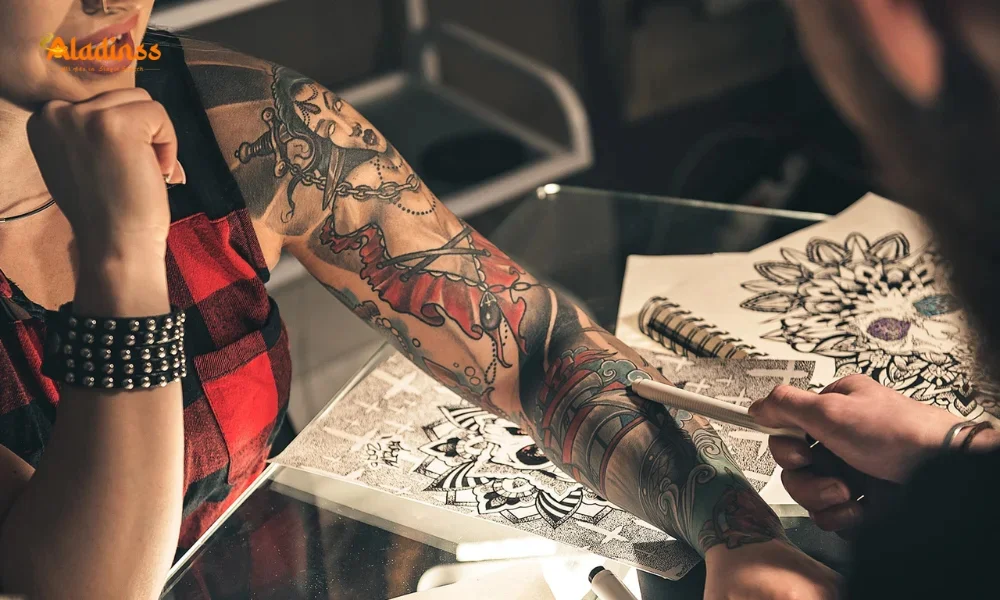
Hate Your Tattoo Four Smart Cover Up Ideas to Reinvent It
Regretting that impulsive ink from years ago? Whether it's an ex's name, a faded trend, or a design that no longer reflects who you are, tattoo cover ups offer a creative second chance. Instead of painful removal, skilled artists can transform unwanted tattoos into stunning new artwork. Tattoo expert Bhakti Thakkar reveals four innovative techniques to mask old ink while creating something you'll love for decades.
The beauty of cover up tattoos lies in their ability to breathe new life into skin stories. These methods don't erase the past—they evolve it into meaningful art that aligns with your current self.
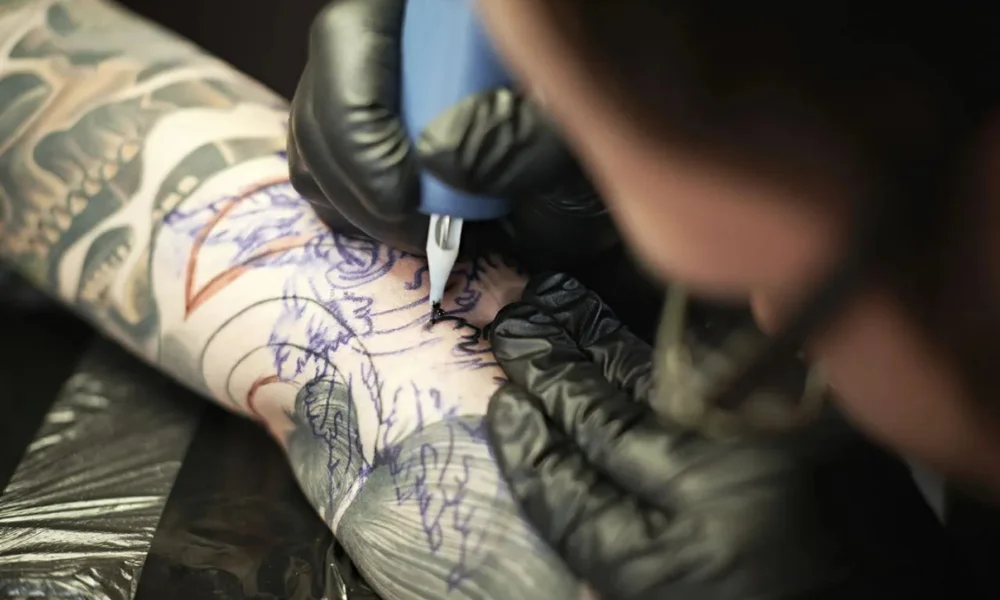
Strategic Blending and Camouflage Techniques
The foundation of successful cover ups begins with intelligent design integration. Artists analyze your existing tattoo's colors, lines, and placement to create seamless transitions. Darker elements of the old design become shadows or negative space in the new composition.
Professional cover-up specialists use optical illusions to their advantage. Thick black outlines from tribal pieces morph into mountain ranges or tree branches. Faded lettering transforms into smoke trails or water ripples. The key lies in viewing the old tattoo not as an obstacle, but as raw material for artistic reinvention.
This approach works particularly well for medium-sized tattoos with moderate color saturation. Artists recommend bringing reference images of desired styles to help visualize how existing elements can enhance rather than hinder the final design.
Power of Dark Pigments and Bold Designs
Physics favors darker inks when concealing previous work. Black, navy, deep purple, and rich burgundy pigments contain higher concentrations of carbon that effectively block underlying colors. These shades create optical density that prevents old designs from showing through.
Bold graphic elements amplify this effect. Geometric patterns, traditional Japanese motifs, and neo-traditional illustrations pack dense color and line work that overwhelm lighter or faded tattoos beneath. The contrast principle ensures new artwork dominates visual perception.
- Blackwork sleeves completely obscure colorful arm pieces
- Dark floral arrangements transform name tattoos into garden scenes
- Panther cover-ups turn tribal bands into wildlife portraits
- Ornamental designs convert symbols into intricate jewelry patterns
Contemporary blackwork artists specialize in these transformations, creating gallery-worthy pieces that make previous tattoos invisible to the untrained eye.
Mastering Shading and Texture Integration
Advanced shading techniques represent the pinnacle of cover-up artistry. Gradient transitions from deep black to soft gray create dimensional effects that distract from underlying designs. Whip shading, stippling, and pepper shading add texture that breaks up old line work.
Realism artists excel at this method, using photorealistic portraits where facial features align with existing tattoo elements. A former partner's name might become wisps of hair in a woman's portrait. Tribal spikes transform into architectural elements in cityscape tattoos.
The process requires multiple sessions as artists build layers gradually. Each pass adds depth while ensuring skin health. Modern rotary machines and premium inks minimize trauma compared to traditional methods.
Embracing Larger Scale Compositions
Size matters in cover-up success. Most transformations require designs 30-50% larger than original tattoos to ensure complete coverage. This additional canvas provides space for intricate details that effectively mask previous work.
Wrist names evolve into full forearm sleeves. Ankle symbols become lower leg pieces incorporating waves or vines. Back tattoos expand into complete torso compositions. The larger format allows artists to incorporate negative space strategically.
Clients often discover they prefer the expanded artwork. What began as regret becomes appreciation for how the cover-up elevated their overall aesthetic. Many return for additional pieces to create cohesive body suits.
Critical Considerations Before Committing
Not all tattoos cover equally. Professional consultation reveals realistic possibilities. Dark, saturated pieces limit color options but excel with blackwork. Light, faded tattoos offer maximum flexibility for vibrant designs.
Artist selection proves paramount. Review portfolios specifically for cover-up work. Look for before-and-after images demonstrating complete transformation. Experience with color theory, anatomy, and composition separates adequate artists from exceptional ones.
Budget accordingly—cover-ups often cost more than original tattoos due to complexity. Multiple sessions spread costs and allow healing between applications. Quality studios maintain sterile environments and use premium materials worth the investment.
Laser Treatment as Pre-Cover Preparation
Stubborn tattoos benefit from partial laser fading before covering. Q-switched lasers target specific colors, lightening ink without full removal. Black responds best, followed by dark green and blue. Red and yellow require specialized wavelengths.
Two to four laser sessions spaced six weeks apart can reduce saturation by 70%, dramatically improving cover-up results. The process creates a cleaner canvas while preserving skin texture for new ink application.
Medical-grade facilities perform these treatments with topical anesthesia. Post-care involves sun protection and moisturizing to prevent complications. The combination approach yields superior outcomes for challenging pieces.
Complete Removal Alternative
Some prefer starting completely fresh. Modern laser technology fragments ink particles that the body naturally eliminates. Treatment plans vary based on tattoo age, colors, and depth.
- Black ink: 6-8 sessions
- Colored ink: 8-12 sessions
- Professional tattoos: More sessions than amateur
- Cosmetic tattoos: Special considerations for facial areas
Advanced Pico-second lasers reduce treatment numbers and discomfort. Side effects remain minimal with proper aftercare. Complete clearance achieves 95%+ ink removal in most cases.
Choosing Your Path Forward
Decision factors include budget, timeline, pain tolerance, and desired outcome. Cover-ups preserve tattoo culture while evolving personal narratives. Removal offers blank canvas freedom but requires patience.
Many choose hybrid approaches—partial laser fading followed by artistic cover-ups. This balances efficiency with creativity. Consultation with both laser technicians and cover-up specialists provides comprehensive options.
Professional studios offer package pricing for combined services. Transparent communication about expectations prevents disappointment. Quality results justify investment in experienced practitioners.
Aftercare and Long-Term Maintenance
Cover-up success extends beyond the final session. Proper healing ensures vibrant results. Follow artist instructions meticulously—clean gently, moisturize regularly, and protect from sun exposure.
New tattoos require 2-3 weeks initial healing, with complete settling over 3-6 months. Annual touch-ups maintain sharpness, especially for color pieces. High-quality sunscreen prevents fading and preserves cover-up integrity.
Regular skin checks monitor changes. Professional artists welcome follow-up visits to assess healing and plan enhancements. Building relationships with trusted studios ensures lifelong satisfaction.
Cultural Shift in Tattoo Perception
Society increasingly views tattoos as evolving art rather than permanent statements. Cover-ups normalize the modification process, reducing stigma around regret. Social media showcases incredible transformations that inspire confidence in second chances.
Younger generations embrace fluid self-expression through body art. The ability to update tattoos mirrors personal growth. What felt meaningful at 18 may not resonate at 35—and that's perfectly acceptable.
Professional workplaces adapt policies as tattoo culture mainstreams. Visible modifications no longer automatically hinder career prospects in many industries. This cultural evolution supports both cover-ups and removals without judgment.
Finding Reputable Cover-Up Specialists
Research thoroughly before committing. Check artist credentials, studio licenses, and sterilization practices. Read verified reviews focusing on cover-up experiences. Request consultations to discuss vision and feasibility.
Top cover-up artists maintain waiting lists—plan accordingly. Travel to renowned specialists often yields superior results worth the investment. Virtual consultations accommodate distance while assessing compatibility.
Avoid bargain shops promising quick fixes. Quality cover-ups require time, skill, and premium materials. The difference between adequate and exceptional transforms regret into pride.
In conclusion, tattoo cover up ideas have evolved into sophisticated art forms that honor personal journeys. Whether through strategic blending, bold dark work, masterful shading, or expanded compositions, skilled artists create transformations that exceed original expectations. The decision between covering, fading, or removing reflects individual priorities—each path leads to renewed confidence in your skin story.
Facebook Comments










-
 Explore the upcoming Tamil film Maaman - cast, sto...
 -
 Read the ACE (2025) movie review starring Vijay Se...
 -
 Check out Maaman's 1st day box office collection a...
 -
 Explore tourist family reviews for Maaman movie –...
Popular Posts
Vote / Poll
Recent Posts




Recommended Posts

-
 Discover the best schools in Nagercoil f...
 -
 Discover the top-rated preschools in Nag...
 -
 Explore the best schools in Nagercoil th...

Comment / Reply From